

The absence of a father figure, whether through separation, death, prolonged work commitments, or emotional unavailability, casts a significant shadow on a child’s development. This phenomenon, widely recognized as "fatherlessness," can manifest in a myriad of ways, subtly shaping a child’s self-perception, emotional regulation, and interpersonal relationships. While not every child experiencing this absence will encounter difficulties, a considerable number exhibit discernible patterns that warrant attention and understanding.
The implications of fatherlessness are far-reaching, impacting cognitive, emotional, and social domains throughout a child’s formative years and into adulthood. Understanding the subtle yet significant indicators of this condition is crucial for parents, educators, and caregivers to provide timely and effective support.
The Multifaceted Nature of Fatherlessness
Fatherlessness is not a monolithic experience. It can stem from various circumstances, each with its unique set of challenges. A father’s physical absence due to divorce or death represents one end of the spectrum. However, the emotional absence of a father who is physically present but disengaged, critical, or neglectful can be equally, if not more, damaging. This emotional void can leave children feeling unseen, unheard, and unvalued, contributing to a persistent sense of insecurity.
Research consistently highlights the critical role fathers play in a child’s life. Beyond providing financial support, fathers often contribute to a child’s sense of security, encourage risk-taking and exploration, foster independence, and provide a different perspective on problem-solving. Their involvement has been linked to better academic performance, reduced behavioral problems, and improved social skills. When this vital presence is diminished or absent, the developmental trajectory of a child can be altered.
Recognizing the Signs: A Deeper Dive into Fatherless Indicators
While the term "fatherless" might suggest overt signs of distress, the reality is often more nuanced. Children may internalize their experiences, leading to subtle behavioral and emotional cues that can be easily overlooked. Based on insights from psychological resources such as the Attachment Project and Daddyless Daughters, several key indicators can help identify children who may be experiencing the impact of fatherlessness.
1. Erosion of Self-Confidence
A pervasive lack of self-belief is one of the most frequently observed signs. Children who grow up without consistent paternal affirmation may internalize a sense of inadequacy. They might struggle with self-doubt, constantly question their abilities, and feel that they are "not good enough." This can stem from a perceived lack of encouragement, praise, or recognition from their father. Consequently, they may fall into the trap of constant comparison with peers, harboring a deep-seated fear of failure that hinders their willingness to take on new challenges. Studies in developmental psychology have shown that early experiences of validation are critical for building a robust sense of self-worth, and the absence of this from a paternal figure can create a significant deficit.

2. Emotional Dysregulation and Outbursts
The inability to effectively manage emotions is another significant marker. Children experiencing fatherlessness may exhibit heightened irritability, a propensity for anger, or an increased sensitivity to perceived slights. Conversely, some may internalize their feelings, appearing withdrawn and emotionally distant. This difficulty in processing and expressing emotions can be a direct consequence of not having a consistent role model for emotional regulation. Without a father figure to guide them through complex feelings, children may struggle to develop healthy coping mechanisms, a challenge that can persist well into adulthood if left unaddressed. Research by child psychologists indicates that a secure attachment with a caregiver, including a father, provides a safe base from which children learn to navigate their emotional landscapes.
3. An Unrelenting Quest for External Validation
A profound need for attention and validation from others can characterize children from fatherless homes. They may derive their sense of worth from external praise and feel deeply disappointed or dejected when their efforts go unrecognized. This constant pursuit of acceptance can lead them to compromise their own comfort and boundaries to please others, seeking to fill the void left by paternal affirmation. This external locus of control for self-esteem can make them vulnerable to manipulation and dependent on the opinions of others for their sense of value.
4. A Deep-Seated Difficulty in Trusting Others
Past experiences of loss or disappointment related to their father can foster a cautious and guarded approach to forming new relationships. Children may develop an underlying fear of abandonment, making it difficult for them to open up and be vulnerable. They might deliberately maintain emotional distance as a protective mechanism, anticipating potential hurt or betrayal. This relational hesitancy can impede the development of deep and meaningful connections, impacting their social well-being. The concept of "attachment theory" suggests that early relational patterns, particularly with primary caregivers, significantly influence future relationship dynamics.
5. A Tendency Towards Unhealthy Relationships
In adulthood, the unmet need for paternal affection can lead some individuals to seek attention and validation from romantic partners, often resulting in entanglement in unhealthy relationships. The fear of losing this source of attention can make them reluctant to leave relationships that are detrimental to their well-being. They may struggle with establishing healthy boundaries, frequently conceding their own needs to maintain the relationship, perpetuating a cycle of seeking love and acceptance in potentially damaging environments. Studies on relationship patterns have frequently identified a correlation between early childhood experiences of parental absence and a higher likelihood of engaging in codependent or emotionally abusive relationships.
6. The Burden of Perfectionism
Children who grew up with fathers who were overly critical or rarely offered praise may develop a strong inclination towards perfectionism. They may live under the constant pressure to be flawless, fearing that any mistake will render them unworthy or unlovable. This relentless pursuit of perfection can lead to immense internal pressure, making it difficult to experience genuine satisfaction with their accomplishments. The fear of not meeting an unattainable standard can stifle creativity and lead to chronic anxiety. Developmental psychologists often link this to a concept called "conditional self-worth," where an individual’s value is contingent on external achievements.
7. The Inability to Assert Boundaries and Say "No"
A diminished sense of self-worth can manifest as an inability to decline requests or express personal needs. Children may prioritize pleasing others over articulating their own requirements, fearing that asserting themselves will lead to rejection. This pattern of self-neglect can make them susceptible to exploitation by others. Learning to set healthy boundaries is a critical life skill, and its absence can have significant long-term consequences for personal autonomy and well-being.
Addressing the Impact: Strategies for Healing and Growth
While the past cannot be rewritten, the detrimental effects of fatherlessness can be mitigated and overcome with targeted support and conscious effort. The journey towards healing requires understanding, patience, and proactive intervention.
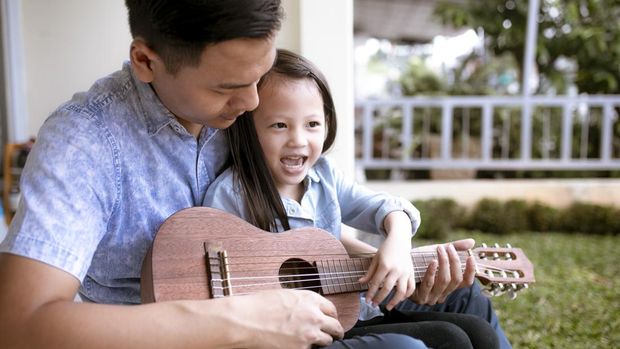
1. Cultivating Robust Self-Esteem
The foundation of healing lies in rebuilding a child’s sense of self-worth. This involves offering consistent and genuine appreciation for their efforts, not solely their achievements. Simple acts of recognition, encouragement, and validation can significantly bolster a child’s confidence. Praising their perseverance, creativity, and kindness, even in small matters, helps them internalize a positive self-image. Parents and caregivers can create journals of positive affirmations or encourage the child to identify their own strengths.
2. Fostering Emotional Intelligence
Equipping children with the tools to understand and manage their emotions is paramount. This involves creating a safe and non-judgmental space where they feel comfortable expressing their feelings, whether joy, sadness, anger, or fear. Open dialogues about emotions, coupled with guidance on healthy coping mechanisms like deep breathing exercises, mindfulness, or creative outlets, can empower them to navigate their emotional landscape more effectively. Role-playing scenarios can also be beneficial in teaching children how to identify and respond to different emotional states.
3. Ensuring Consistent and Supportive Presence
The absence of a father can be partially compensated by the consistent and loving presence of other significant adults in a child’s life. This could be the mother, grandparents, aunts, uncles, teachers, or mentors. These individuals can provide a crucial sense of security, stability, and emotional support. The key is not perfection, but genuine presence – being available, listening attentively, and demonstrating unwavering care. This consistent support system acts as a vital buffer against the negative impacts of paternal absence. Building a strong network of trusted adults can provide children with multiple sources of guidance and affection.
4. Teaching Healthy Boundaries and Assertiveness
Children need to understand that they have the right to express their opinions, set limits, and protect themselves from harmful situations. Teaching them the power of saying "no" respectfully, articulating their needs clearly, and recognizing their own value is essential. This can be achieved through role-playing exercises, discussions about personal space and consent, and by modeling assertive communication in family interactions. Empowering children with these skills fosters independence and resilience. Parents can also encourage children to voice their preferences and make age-appropriate decisions.
5. Seeking Professional Guidance When Necessary
In cases where children exhibit persistent signs of anxiety, depression, significant behavioral issues, or difficulties in forming relationships, seeking professional help is crucial. A qualified child psychologist or therapist can provide specialized support, helping the child to process their experiences, develop coping strategies, and address any underlying psychological challenges. Early intervention can significantly improve outcomes and prevent long-term difficulties. Therapies such as play therapy, cognitive behavioral therapy (CBT), or family therapy can be highly effective in addressing the complex emotional and behavioral impacts of fatherlessness.
The Enduring Significance of the Father Figure
The impact of fatherlessness underscores the irreplaceable role fathers play in a child’s life. While societal norms and family structures evolve, the fundamental need for paternal guidance, support, and love remains constant. Recognizing the signs of fatherlessness and actively working to mitigate its effects is a collective responsibility. By fostering supportive environments, promoting open communication, and seeking professional help when needed, we can help children overcome the challenges associated with paternal absence and thrive into well-adjusted, confident, and resilient adults. The journey of healing is ongoing, but with the right support, the scars of fatherlessness can transform into strengths, enabling individuals to build fulfilling lives and healthy relationships.
