
Jakarta, Global Pet Health Desk — For any pet owner, witnessing the aging or severe illness of a beloved cat is an emotionally taxing and profound challenge. Frequently, human caregivers fail to notice underlying medical complications until their feline companion has grown critically weak, exhibiting drastic physiological and behavioral shifts. Recognizing the clinical indicators of end-of-life in domestic cats is not merely an exercise in emotional preparation; it is a vital responsibility that empowers owners to make compassionate, informed decisions regarding palliative care and veterinary intervention. By identifying these signs early, caregivers can collaborate closely with veterinary professionals to minimize discomfort and ensure that a cat’s final days are characterized by dignity, peace, and adequate supportive care.
Comprehensive Background on Feline End-of-Life Care and Physiology
The domestic cat (Felis catus) is an exceptionally resilient creature, historically evolved from solitary predators that masked signs of weakness to avoid predation in the wild. This evolutionary trait persists in modern house cats, making the detection of terminal illness or advanced aging notoriously difficult for human owners. Veterinarians specializing in geriatric feline medicine emphasize that cats often endure chronic, progressive conditions—such as chronic kidney disease (CKD), feline immunodeficiency virus (FIV), feline leukemia virus (FeLV), hyperthyroidism, and various forms of neoplasia—long before overt symptoms manifest.
As a cat reaches the final stage of its life cycle, typically spanning from late adolescence into advanced geriatric years defined as ages 15 and older, the body’s major organ systems begin to fail systematically. The metabolic rate slows down, cellular repair mechanisms diminish, and the central nervous system undergoes degenerative changes. Understanding this biological backdrop allows veterinarians and pet owners to contextualize the behavioral and physical transformations that occur during the end-of-life phase, bridging the gap between clinical pathology and empathetic caregiving.
Chronology of Feline Decline: From Geriatric Shift to Terminal Phase
The progression toward the end of a cat’s life is rarely instantaneous; rather, it typically follows a recognizable chronological trajectory spanning weeks, days, or hours. Documenting this timeline aids veterinarians in assessing pain levels and determining whether palliative measures or humane euthanasia is the most compassionate course of action.
Phase 1: The Onset of Geriatric Vulnerability (Weeks to Months Prior)
In the initial stages of systemic decline, minor behavioral adjustments emerge. A cat may reduce its daily territory patrol, show a preference for sleeping in warmer, elevated, or secluded locations, and experience a gradual, unexplainable loss of lean muscle mass. Blood chemistry panels during this phase often reveal early elevations in blood urea nitrogen (BUN) and creatinine, signaling declining renal function.
Phase 2: Accelerated Functional Impairment (Days to Weeks Prior)
As the terminal phase approaches, the rate of decline accelerates markedly. Physical stamina drops precipitously. The cat’s ability to regulate body temperature becomes compromised, leading to a preference for heat sources or noticeable hypothermia in extremities. Grooming behaviors cease entirely, resulting in a matted, unkempt coat, and voluntary food consumption drops significantly. Elimination habits may become erratic as neurological control over sphincters wanes.
Phase 3: The Active Dying Process (Hours to Days Prior)
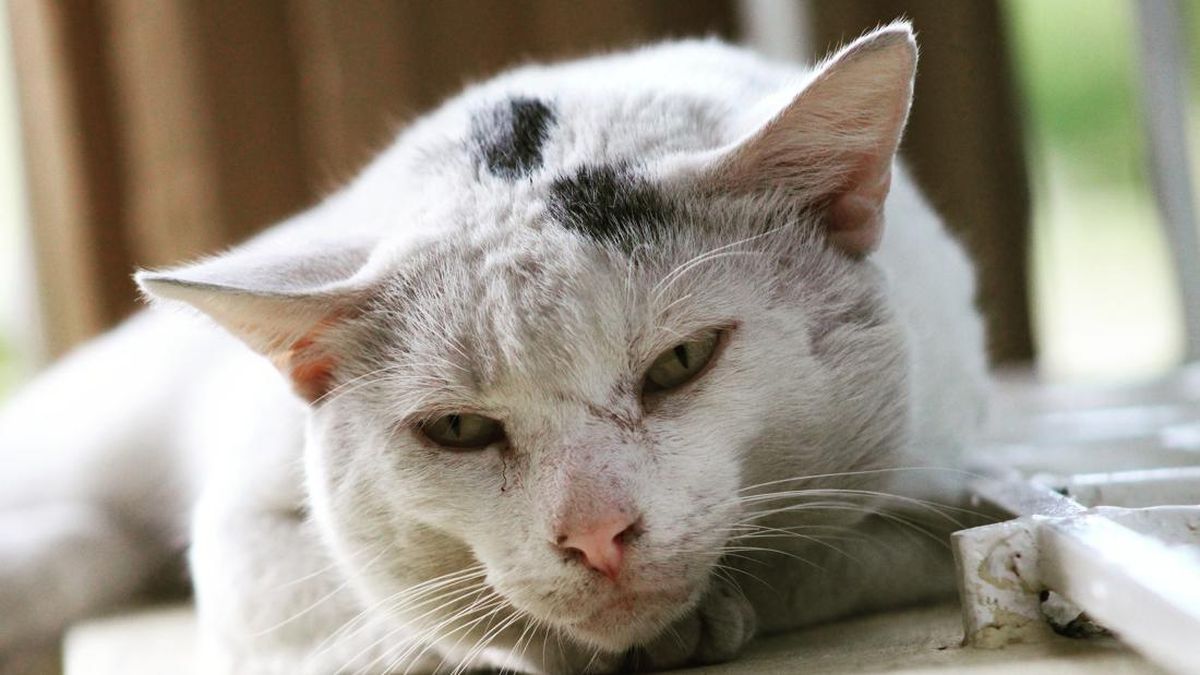
The final hours or days of life are characterized by profound lethargy, unresponsiveness, erratic respiratory patterns (such as Cheyne-Stokes respiration or agonal breathing), and a significant drop in core body temperature. The cat may enter a state of semi-consciousness or complete coma, withdrawing entirely from social interaction with humans and other household pets.
Detailed Clinical Indicators of End-of-Life in Cats
Veterinary oncology and geriatric specialists categorize the physical and behavioral manifestations of a dying cat into several distinct clinical markers. Understanding these markers helps owners differentiate between manageable chronic ailments and true end-of-life transitions.
Extreme Lethargy and Motor Impairment
While healthy adult cats spend a significant portion of the day resting—often between 12 and 16 hours—geriatric cats sleep even longer. However, extreme lethargy during the end-of-life phase differs qualitatively from normal rest. Feline patients in terminal decline exhibit profound listlessness, an inability to support their own body weight, and a lack of responsiveness to environmental stimuli, such as the sound of food preparation or the owner’s voice. Neurological deficits may manifest as ataxia, characterized by an unsteady gait, dragging of the hind limbs, or a complete loss of spatial coordination.
Rapid and Severe Weight Loss
Unintended, rapid weight loss is a classic hallmark of systemic organ failure and terminal illness. As metabolic processes break down and the body enters a catabolic state, it begins to consume its own muscle mass and fat reserves for energy. This is frequently accompanied by cachexia, a complex metabolic syndrome associated with underlying chronic disease. Conditions such as feline hyperthyroidism, diabetes mellitus, and advanced renal failure frequently accelerate this wasting process, resulting in sharp, visible reductions in body condition scores.
Disruption of Elimination Habits and Incontinence
Changes in litter box usage are reliable indicators of declining health. Terminal cats frequently lose the physical strength required to access traditional litter boxes, particularly if the edges are high or the box is located on a different level of the home. Furthermore, progressive neurological decline can lead to urinary and fecal incontinence. Caregivers should monitor for signs of dyschezia (difficulty or pain during defecation) and check for hematuria (blood in the urine) or melena (dark, tarry stools containing digested blood), both of which necessitate immediate veterinary evaluation for pain management.
Deterioration of Grooming and Hygiene
Feline self-grooming is an instinctive, compulsive behavior that serves both hygienic and psychological purposes. When a cat ceases to groom, it serves as a sensitive indicator of severe systemic illness, oral pain, or extreme physical exhaustion. The fur becomes oily, clumped, matted, and dull. Additionally, because the cat no longer maintains its hygiene, an atypical body odor may develop, driven by toxin accumulation, secondary bacterial infections, or metabolic imbalances such as uremia, where the breath may smell distinctly of ammonia or possess a sweet, sickly odor due to circulating metabolic byproducts.
Social Withdrawal and Seclusion Behavior
The instinct to hide when feeling vulnerable is deeply embedded in feline psychology. While a mildly sick cat may occasionally seek quiet spaces under beds or inside closets, a dying cat often intensifies this behavior to an extreme degree. They may choose novel, highly inaccessible locations—such as behind water heaters, deep within utility rooms, or outdoors if accessible—and persistently resist attempts by owners to coax them into open, comfortable living areas. This behavior reflects an instinctive drive to retreat from potential threats when physical defenses are utterly depleted.
Pronounced Behavioral Shifts and Cognitive Dysfunction
End-of-life changes frequently trigger alterations in psychological demeanor. Some cats become uncharacteristically reclusive, hissing or swatting when approached, reflecting pain or neurological confusion. Conversely, other cats exhibit clingy, overly affectionate behavior, shadowing their human caregivers constantly. Cognitive dysfunction syndrome (CDS), akin to human dementia, may also manifest, causing nocturnal vocalization (excessive crying or howling in the dark), disorientation within a familiar home, pacing, and staring blankly at walls.
Loss of Interest in Environmental Enrichment
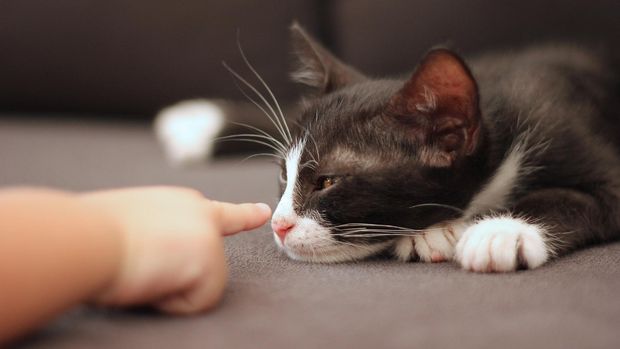
A healthy cat derives pleasure from play, hunting simulations, environmental exploration, and interaction with human family members and other pets. In the terminal phase, this capacity for pleasure—known medically as anhedonia—becomes total. The cat will ignore favored catnip toys, refuse high-value culinary treats, and fail to purr when stroked. This profound disconnection from previously cherished stimuli indicates that the animal’s neurological and physical reserves are entirely dedicated to basic survival rather than engagement with its environment.
Expert Insights and Veterinary Perspectives
Leading organizations such as the American Animal Hospital Association (AAHA) and specialized veterinary palliative care groups emphasize the importance of quality-of-life assessments during a pet’s final phase. According to veterinary consensus, the primary objective shifts from curative treatment to comfort care, pain mitigation, and emotional support for both the animal and its human family.
"When evaluating a feline patient at the end of life, our clinical focus shifts entirely to the alleviation of suffering," notes Dr. Sarah Henderson, a specialist in feline internal medicine and palliative care. "Owners must look beyond simple parameters like eating and drinking. We evaluate respiratory effort, pain scores, mobility, social interaction, and hygiene. Tools like the HHHHHMM Scale—which measures Hurt, Hunger, Hydration, Hygiene, Happiness, Mobility, and More—provide objective frameworks for families facing these difficult decisions."
Veterinary epidemiologists point out that early recognition of terminal signs allows clinicians to implement appropriate pharmacological interventions, such as transdermal buprenorphine or gabapentin for chronic pain, subcutaneous fluid therapy for dehydration, and anti-nausea medications to manage uremic symptoms. Without timely recognition, cats may endure prolonged, preventable suffering in their final days.
Broader Implications and Practical Recommendations for Owners
Recognizing that a cat is nearing the end of its life carries profound implications for the human-animal bond. It requires caregivers to transition from an active mindset of disease management to a passive, accepting stance centered on comfort and dignity.
- Create a Safe, Accessible Environment: Place soft bedding, fresh water, and shallow food bowls in easily accessible, low-traffic areas where the cat naturally tends to congregate. Use low-sided litter boxes or puppy training pads to accommodate limited mobility and prevent painful straining.
- Maintain Environmental Consistency: Minimize loud noises, rapid household movements, and the introduction of unfamiliar pets or humans into the immediate environment, as sensory overload can exacerbate stress and anxiety in a weakened cat.
- Consult Professional Veterinary Guidance: Schedule a consultation with a veterinarian—or explore home-visit palliative veterinary services—to assess pain levels accurately. Discuss whether natural passing at home under palliative supervision or humane euthanasia is the most appropriate path forward.
- Process Emotional Grief: Acknowledge the emotional toll of anticipatory grief. Seeking support through pet loss support groups, counseling, or conversations with veterinary professionals can help owners navigate the complex feelings associated with losing a long-term companion.
Ultimately, understanding the physiological and behavioral indicators of a dying cat ensures that human caregivers can act as compassionate advocates. By replacing fear with knowledge, owners can honor their feline companions with the dignity, peace, and comfort they deserve during life’s final chapter.
