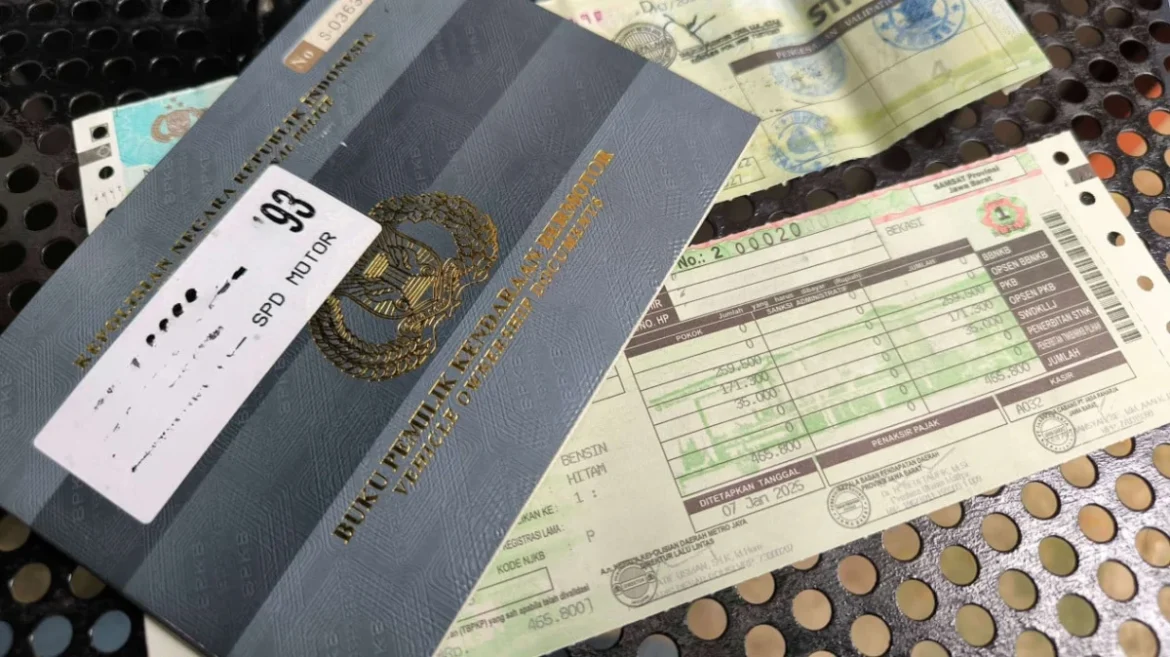
The Indonesian National Police Traffic Corps (Korlantas Polri) has officially launched the digital version of the Vehicle Registration Certificate (STNK), marking a significant milestone in the country’s ongoing initiative to modernize administrative services for motorists. This transformation, accessible through the "Digital Korlantas" mobile application, allows vehicle owners to view and manage their registration data electronically. However, the introduction of this feature has sparked widespread public debate regarding the future of the traditional physical STNK document, prompting authorities to clarify the legal standing and continued necessity of the hard-copy version.
The Evolution of Traffic Administration in Indonesia
For decades, the STNK has served as the primary legal document proving vehicle ownership and tax compliance. Historically, the process of renewing or verifying these documents required physical visits to the One-Stop Administrative System (Samsat) offices, often resulting in long queues and administrative bottlenecks. Recognizing these inefficiencies, the Indonesian government, through the National Police, has embarked on a multi-year digital transformation roadmap.
This project began with the successful rollout of the digital driver’s license (e-SIM) and has now progressed to the digitalization of vehicle registration. The objective is to create a seamless, integrated ecosystem where all traffic-related documents are accessible via a single platform. The integration is supported by a robust backend database that links the Traffic Corps with the Ministry of Home Affairs and regional tax offices, ensuring real-time synchronization of data across the archipelago.
Official Clarification on Legal Status
Addressing concerns regarding the redundancy of physical documents, Kakorlantas Polri Inspector General Wibowo provided a definitive stance during the official announcement on September 25, 2026. He emphasized that the digital STNK acts as a "mirroring" of the physical document rather than a replacement.
"The digital STNK is an electronic representation or a mirror of the physical STNK that is currently in circulation. It carries the same legal weight as the physical document," Wibowo stated. By characterizing it as a "mirror," the Korlantas clarifies that the digital version is an extension of the existing system. The data displayed within the application is pulled directly from the national registry, ensuring that the information presented on the screen is authenticated and tamper-proof.
Despite the high-tech nature of the digital version, the police have not announced the abolition of physical STNKs. Motorists are advised to maintain possession of their physical documents as the current regulatory framework still recognizes the hard copy as the primary proof of registration during routine traffic stops or administrative procedures that may not yet be fully integrated into the digital interface.
Strategic Objectives and Operational Benefits
The transition toward digital documentation is not merely a convenience feature; it is a strategic effort to enhance law enforcement efficiency and reduce administrative fraud. The primary benefits identified by the Korlantas include:
- Enhanced Verification Accuracy: By using a secure digital portal, traffic officers can verify vehicle data in real-time, reducing the reliance on potentially forged physical documents. This system allows for immediate cross-referencing with the national database.
- Administrative Efficiency: Digitalization minimizes the need for manual paperwork, reducing the workload for Samsat officials and allowing for faster processing times during annual tax renewals.
- User Convenience: Owners can access their vehicle data from anywhere, facilitating quicker responses during roadside checks and providing a secure, centralized location for vital documentation.
- Data Integration: The platform serves as a pillar for future initiatives, such as the implementation of Electronic Traffic Law Enforcement (ETLE) and potentially more advanced vehicle-to-infrastructure communication protocols.
Addressing the Public Need for Clarity
Since the launch, the most frequent inquiry from the public has been whether they can discard their physical STNKs. The lack of a clear, nationwide directive stating that the physical document is obsolete has led to a cautious approach among motorists. Legal experts suggest that until the National Police issue a formal regulation (Perpol) explicitly declaring the digital version as a complete legal substitute for the hard copy, the physical document remains the safest and most reliable proof of ownership in a court of law or during international travel (where applicable).
Furthermore, the "Digital Korlantas" app serves as a gateway to broader services. It is designed to be an all-encompassing hub, potentially incorporating insurance data, emission test results, and traffic violation records. By aggregating this information, the police aim to simplify the lives of millions of motorists while simultaneously tightening oversight on vehicle legality.
The Broader Implications of Digitalization
The Indonesian government’s move toward a paperless traffic system reflects a global trend in public administration. Many developed nations have already transitioned to digital-first vehicle records to curb corruption, minimize document theft, and streamline public services. In the Indonesian context, this digital shift is expected to significantly reduce the incidence of "ghost" vehicles or those operating with expired or forged documents.
However, the implementation faces practical challenges, including digital literacy among the population, the reliability of internet infrastructure in rural areas, and the security of the central database against potential cyber threats. The Korlantas has assured the public that the application employs high-level encryption standards and multi-factor authentication to protect user data.
Future Outlook and Policy Trajectory
While the STNK Digital currently functions as a companion to the physical version, many industry analysts predict that the physical document may eventually be phased out or relegated to a secondary status. This would likely follow a phased rollout, starting with major metropolitan areas like Jakarta, before expanding to the rest of the nation.
As of now, the instruction from the authorities is clear: maintain the physical STNK for all official interactions, but utilize the digital version as a primary tool for information access and verification. The authorities are likely to monitor the adoption rate and system stability over the coming months before making any changes to existing traffic regulations regarding the mandatory carriage of physical documentation.
For the average motorist, the message is one of preparation rather than immediate transition. Keeping the physical document in the vehicle remains a best practice. As the digital ecosystem matures, the reliance on paper will naturally diminish, but for the time being, the physical document remains the anchor of vehicle legality in Indonesia.
Summary of Key Considerations
- Legal Validity: The digital STNK is legally binding and authentic, acting as a mirror of the physical document.
- No Abolition: There has been no official statement regarding the cessation of physical STNK issuance.
- Mandatory Possession: Motorists are still advised to carry their physical STNKs as per existing regulations.
- Technology Integration: The initiative is part of a broader, long-term effort to digitize all traffic administration services in Indonesia.
- Security: Users should access the STNK data only through the official "Digital Korlantas" application to ensure data integrity and avoid phishing risks.
In conclusion, the launch of the digital STNK represents a major leap forward for Indonesia’s traffic management infrastructure. It provides users with unprecedented access to their vehicle information and supports the police in creating a more transparent and efficient regulatory environment. While the era of a completely paperless vehicle registration process may be on the horizon, the current operational reality necessitates the continued use of physical documents, ensuring a smooth and gradual transition for the millions of vehicle owners across the nation.