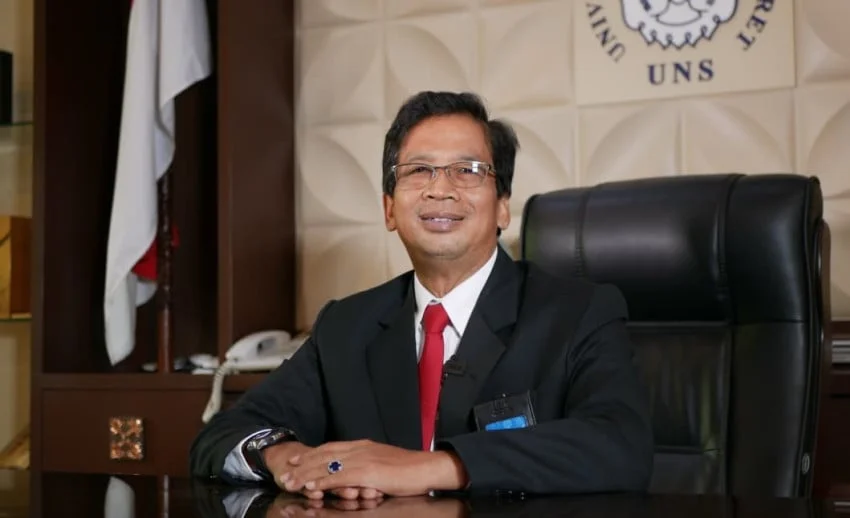
The FIFA World Cup 2026, hosted across the vast territories of the United States, Canada, and Mexico, concluded as a monumental success, etching a new chapter in football history. Spain emerged as the new world champion, securing a hard-fought 1-0 victory over defending champions Argentina. The decisive goal, scored by Ferran Torres in the 106th minute of extra time, not only crowned Spain as the tournament’s victor but also propelled them to the top of the global football rankings. This quadrennial tournament, a magnet for billions of eyes worldwide, captivates audiences with its thrilling matches, passionate supporters, and the sheer brilliance of its star players. Yet, beneath the vibrant spectacle and athletic prowess, two fundamental pillars—law and economics—are indispensable in orchestrating an event of such unprecedented scale and complexity, as highlighted by Professor Dr. Jamal Wiwoho, S.H., M.Hum, a distinguished Professor of Law at Universitas Sebelas Maret and former Rector of UNS (2019-2024).
Many observers perceive the World Cup solely as a football competition, a grand sporting contest. However, the 2026 tournament, which notably expanded to include 48 participating nations for the first time, involved millions of spectators, thousands of athletes, hundreds of sponsors, and a staggering financial turnover amounting to billions of US dollars. Such an intricate global endeavor simply cannot function without the bedrock of legal certainty and robust economic power. These two forces operate in symbiotic harmony, two sides of the same coin, each indispensable for the other’s efficacy and the tournament’s overall success. Professor Wiwoho’s insights underscore the critical interdependency, emphasizing that the World Cup transcends mere sport to become a meticulously managed global enterprise.
The 2026 FIFA World Cup: A New Era of Global Football
The 2026 FIFA World Cup marked a significant departure from previous editions, ushering in an era of unprecedented scale and logistical challenge. For the first time, the tournament was jointly hosted by three nations: the United States, Canada, and Mexico, leveraging their expansive infrastructure and deep-seated football cultures. This multi-nation hosting model was necessitated by the expansion of participating teams from 32 to 48, a decision approved by FIFA in 2017 to provide more opportunities for nations worldwide to compete on football’s biggest stage. This expansion meant a substantial increase in matches, from 64 to 104, distributed across 16 host cities: 11 in the U.S., 3 in Mexico, and 2 in Canada.
The sheer geographical spread of the tournament presented unique logistical hurdles, requiring meticulous coordination across three distinct legal and economic jurisdictions. This included harmonizing immigration policies, security protocols, transportation networks, and commercial regulations. The decision to expand to 48 teams was met with both enthusiasm for broader global participation and concerns regarding the quality of play, increased travel burden for teams and fans, and the environmental footprint of such an expansive event. However, FIFA and the host nations were committed to delivering a tournament that would leave a lasting positive legacy, demonstrating the capacity for cross-border collaboration on an epic scale. The successful conclusion of the tournament, culminating in Spain’s triumph, validated the extensive planning and execution that underpinned this ambitious undertaking.
Beyond the Pitch: The Economic Engine of Global Football
From an economic perspective, the FIFA World Cup has evolved into a colossal global sports industry, generating revenues that rival those of major multinational corporations. FIFA, as the international governing body of football, projects an estimated revenue of approximately USD 8.911 billion for the 2026 edition, equivalent to a staggering IDR 145-150 trillion. This immense financial projection is meticulously broken down into several key components, each representing a vital artery in the tournament’s economic circulatory system:
-
Television Broadcast Rights: Constituting the largest share, these rights are projected to bring in approximately USD 3.925 billion, accounting for 44% of total revenue. Global broadcasters compete fiercely for the exclusive rights to transmit the matches to billions of viewers worldwide, recognizing the unparalleled audience reach and advertising opportunities presented by the World Cup. The expansion to 48 teams and 104 matches further enhances the value of these rights, offering more content and extended viewing windows.
-
Ticketing and Hospitality Sales: This segment is anticipated to generate around USD 3.017 billion, or 34% of the total. With millions of fans expected to travel to the host nations, ticket sales for 104 matches across 16 venues, coupled with premium hospitality packages offering enhanced viewing experiences, form a substantial revenue stream. The allure of attending a World Cup match live, particularly in an accessible market like North America, drives significant demand.
-
Marketing and Sponsorship Rights: Corporate partnerships and sponsorships are forecast to contribute approximately USD 1.786 billion, representing 20% of the revenue. Global brands vie for association with the World Cup, leveraging its universal appeal to enhance their visibility and brand image. These partnerships extend beyond mere advertising, often involving integrated marketing campaigns, digital activations, and on-site brand presence.
-
Licensing, Merchandise, and Other Revenue: This category includes revenues from official merchandise sales, royalties, digital platforms, the FIFA Museum, FIFA quality programs, video games, and other ancillary income streams. While a smaller percentage, these diverse sources collectively ensure comprehensive commercial exploitation of the FIFA brand and the World Cup intellectual property.
These figures underscore that sports, particularly football, have become one of the most lucrative industry sectors globally. The World Cup’s economic impact extends far beyond FIFA’s direct revenues, creating a ripple effect across host economies. It stimulates tourism, generates employment (both temporary and permanent) in hospitality, security, transportation, and construction sectors, and provides significant infrastructure upgrades that benefit local communities long after the final whistle. Local businesses, from street vendors to five-star hotels, experience a substantial boost, highlighting the tournament’s transformative economic power.
FIFA’s Financial Stewardship and Global Development
Despite its massive revenue generation, FIFA operates as a non-profit organization, with a core mandate to develop football globally. A significant portion of the World Cup revenues is strategically reinvested back into the sport, reflecting FIFA’s commitment to its developmental objectives. For the 2026 cycle, FIFA has earmarked substantial expenditures:
- Competition and Event Organization: Approximately USD 4.235 billion is allocated to the meticulous planning, execution, and operational aspects of organizing the World Cup and other FIFA-sanctioned competitions. This includes venue preparation, match operations, refereeing, broadcasting infrastructure, and event management.
- Football Development and Education: A crucial investment of around USD 1.726 billion is dedicated to global football development programs. This includes initiatives like the FIFA Forward Program, which provides financial support and expertise to member associations for infrastructure projects, youth academies, coaching education, and women’s football development. This funding is vital for nurturing talent, improving facilities, and promoting the sport in less developed regions.
- Governance and Administration: Approximately USD 54 million is allocated to FIFA’s administrative functions, including its marketing and broadcasting divisions, operational costs (technology, logistics, transportation, security, accreditation, guest services), and maintaining the integrity and governance of the sport. This ensures efficient management and adherence to international standards.
This financial model illustrates FIFA’s role as a steward of global football, utilizing the commercial success of its flagship tournament to foster growth and equity across its 211 member associations. The reinvestment strategy aims to create a sustainable ecosystem for football, from grassroots levels to elite professional leagues, ensuring that the economic dividends of the World Cup benefit the entire footballing world.
The Unseen Hand: Legal Frameworks Underpinning the World Cup
While the economic figures are staggering, the smooth functioning of an event like the World Cup is fundamentally reliant on a robust and intricate web of legal frameworks. Professor Wiwoho’s emphasis on "legal certainty" highlights the indispensable role of law in every facet of the tournament, from its inception to its conclusion. Without clear legal guidelines, enforceable contracts, and robust dispute resolution mechanisms, the complex interactions between FIFA, host nations, sponsors, broadcasters, teams, and players would descend into chaos.
-
Contract Law: At the core of the World Cup’s legal scaffolding are myriad contracts. These include host city agreements between FIFA and the municipalities/governments, which detail responsibilities, rights, and obligations regarding stadium readiness, security, transportation, and legal immunities. Broadcast contracts, worth billions, define the terms of content distribution. Sponsorship agreements outline marketing rights and brand protections. Player contracts, club agreements, and even volunteer agreements are all legally binding instruments that ensure every party understands their role and commitments.
-
Intellectual Property Law: FIFA’s brand, including its name, logo, official mascots, tournament emblem, and the phrase "FIFA World Cup," are protected by extensive intellectual property (IP) laws. Trademark and copyright laws are crucial for safeguarding these assets from unauthorized use, counterfeiting, and ambush marketing. FIFA rigorously enforces its IP rights to protect its commercial partners and ensure the integrity of its brand, generating significant revenue through legitimate licensing and merchandising. Broadcast rights, too, fall under copyright, granting exclusive distribution to media partners.
-
Labor Law: The World Cup generates massive temporary employment, from construction workers building or renovating stadiums to event staff, security personnel, and hospitality workers. Labor laws in the host countries ensure fair wages, safe working conditions, and adherence to employment standards. International labor standards can also come into play, especially for events of such global scrutiny, to prevent exploitation and uphold human rights.
-
Anti-Corruption and Governance: Following past controversies, FIFA has significantly strengthened its governance structures and anti-corruption measures. This involves strict ethical codes, financial transparency requirements, and independent oversight bodies. Legal compliance teams work to ensure that all financial transactions, bidding processes, and operational decisions adhere to international anti-bribery and anti-corruption laws, fostering trust and accountability.
-
Public International Law and Host Nation Laws: The multi-nation hosting arrangement for 2026 required intricate agreements under public international law to harmonize legal frameworks across the USA, Canada, and Mexico. This included agreements on visa facilitation for teams and fans, cross-border security cooperation, customs regulations, and tax exemptions for FIFA and its commercial partners. Each host nation’s domestic laws govern aspects like public order, criminal justice, environmental protection, and consumer rights, which are all critical during the tournament.
-
Sports Law: Specific sports laws and regulations govern player eligibility, anti-doping protocols, disciplinary procedures for on-field misconduct, and the resolution of sporting disputes. The Court of Arbitration for Sport (CAS) often serves as the final arbiter for many football-related legal challenges, providing an independent and specialized forum for resolution.
The synergy between these legal frameworks provides the essential certainty and enforceability required for an event of the World Cup’s magnitude. It ensures that rights are protected, obligations are met, and disputes can be resolved efficiently, allowing the focus to remain on the beautiful game itself.
A Chronology of Expansion and Evolution
The FIFA World Cup has undergone a remarkable evolution since its inception in 1930. The inaugural tournament in Uruguay featured just 13 nations. Over the decades, its popularity surged, leading to gradual expansions in the number of participating teams. In 1982, the tournament expanded to 24 teams, and then to 32 teams in 1998, a format that persisted for six editions until 2022. This steady growth reflected football’s increasing global reach and the desire for more nations to participate.
The decision to expand to 48 teams for the 2026 edition was a landmark moment, approved by the FIFA Council in January 2017. The bidding process for the 2026 tournament was highly competitive, with a joint bid from Canada, Mexico, and the United States ultimately triumphing over Morocco’s solo bid in June 2018. This "United 2026" bid promised unparalleled infrastructure, proven hosting capabilities, and immense commercial potential, making it a compelling choice for FIFA’s expanded vision. The selection of 16 host cities across the three nations followed a meticulous evaluation process, ensuring geographical spread, modern facilities, and enthusiastic local support. This chronology of expansion not only illustrates the growing scale of the event but also its increasing commercialization and the complex legal and logistical planning required at each stage.
Statements and Expert Insights
Professor Jamal Wiwoho’s astute observation that the World Cup’s success hinges on law and economics resonates deeply with sentiments from various stakeholders. FIFA officials have consistently emphasized the importance of sound financial management and robust governance in their mission to develop football worldwide. Following the 2026 revenue projections, FIFA President Gianni Infantino reportedly stated, "The World Cup is not just a tournament; it is a global engine for development. The financial success allows us to reinvest significantly into football at all levels, ensuring a sustainable future for the sport."
Host nation representatives, while acknowledging the substantial investment required, often highlight the long-term benefits. A joint statement from the United 2026 organizing committee prior to the tournament emphasized, "Hosting the World Cup is a privilege and a powerful catalyst for economic growth, cultural exchange, and national pride. The legal frameworks we have established ensure fairness and transparency, safeguarding the immense public and private investments."
Sports economists frequently point to the World Cup as a prime example of the "experience economy," where consumers are willing to pay a premium for unique, memorable events. Dr. Elena Petrova, a prominent sports economist, noted, "The World Cup’s economic model is a masterclass in leveraging global interest. The diversification of revenue streams and strategic reinvestment are key to its sustained growth and impact." Legal experts, such as Professor Mark James, specializing in sports law, add, "The legal architecture around the World Cup is incredibly sophisticated, managing everything from anti-doping to intellectual property. It’s a testament to how international law and domestic regulations can coalesce to manage a truly global phenomenon."
Broader Implications and Challenges
The success of the 2026 FIFA World Cup, underscored by Spain’s victory and the impressive economic figures, carries profound broader implications while also highlighting persistent challenges.
-
Sustainability and Legacy: The expanded format and multi-nation hosting model bring heightened scrutiny regarding environmental sustainability and the long-term legacy for host cities. While new infrastructure development can provide lasting benefits, concerns remain about carbon footprints from increased travel and the potential for "white elephant" stadiums if post-tournament utilization is not carefully planned. FIFA and host nations are increasingly focusing on sustainability initiatives and ensuring that investments leave a positive social and economic legacy, such as improved public transport or community sports facilities.
-
Geopolitical Impact and Soft Power: The World Cup is a powerful tool for "soft power," allowing host nations to project a positive image on the global stage, foster international relations, and promote tourism. The joint hosting by North American countries in 2026 demonstrated a commitment to regional cooperation and presented a united front to the world, potentially influencing diplomatic ties and trade relationships.
-
Future of Global Sports Events: The 2026 model, with its expanded participation and multi-nation hosting, sets a precedent for future mega-events. It suggests a trend towards greater inclusivity and shared responsibility, but also necessitates even more sophisticated legal and economic frameworks to manage increased complexity. Balancing commercial imperatives with sporting integrity, ethical governance, and social responsibility remains a critical challenge for FIFA and other international sports federations.
-
Inclusivity and Accessibility: The expansion to 48 teams undeniably offers more opportunities for smaller footballing nations, fulfilling FIFA’s mandate for global development. However, ensuring that the economic benefits are equitably distributed and that the event remains accessible to fans from diverse socio-economic backgrounds, particularly given rising ticket and travel costs, continues to be a point of discussion.
In conclusion, the FIFA World Cup 2026, culminating in Spain’s memorable triumph, transcended the boundaries of a mere sporting competition. As Professor Jamal Wiwoho eloquently articulated, it stands as a colossal testament to the intricate interplay between law and economics. From the billions generated in revenue and meticulously reinvested into global football development, to the complex web of contracts, intellectual property protections, and international agreements that ensure its seamless operation, the World Cup is a sophisticated global enterprise. It is this powerful, symbiotic relationship between legal certainty and economic strength that truly underpins the tournament’s enduring success, allowing it to continue captivating the world as the planet’s greatest sporting spectacle for generations to come.