
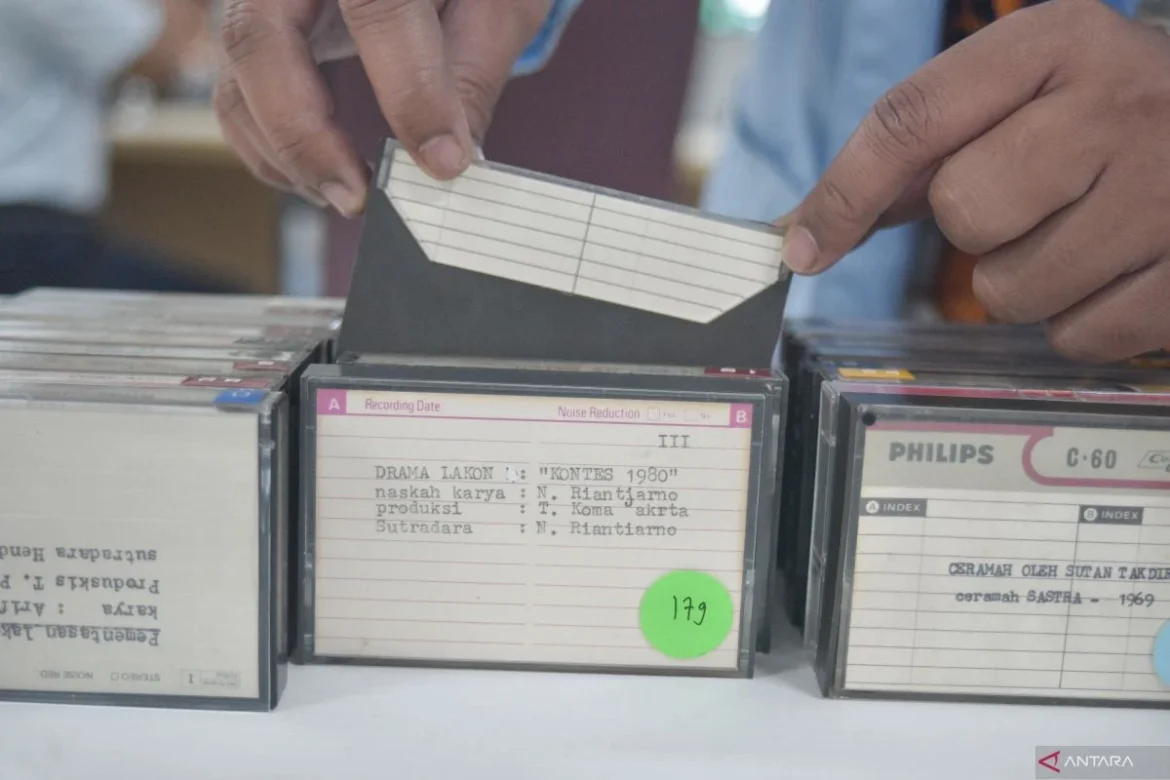
In an era dominated by instantaneous digital algorithms and frictionless music streaming, a counter-intuitive cultural movement is steadily reshaping consumer habits worldwide. Young consumers, particularly Millennials and Generation Z, are spearheading a remarkable resurgence in physical and analog media formats, breathing new life into cassette tapes, compact discs (CDs), vinyl records, and vintage cameras. Far from being a fleeting novelty, this embrace of the tangible represents a profound psychological and cultural shift away from hyper-digitization toward tangible ownership, intentional consumption, and retro aesthetics.
Recent market indicators highlight the scale of this phenomenon. According to comprehensive industry data released by the Recording Industry Association of America (RIAA), physical format sales have experienced robust, sustained growth. In the first half of 2026 alone, CD sales in the United States surged to 17.5 million units, marking a significant increase from the approximately 12 million units sold during the corresponding period in the previous year. Concurrently, vinyl record sales have maintained their upward trajectory, while the broader "other physical" category—which encompasses cassette tapes and specialized legacy formats—registered growth exceeding 70 percent year-over-year.
Despite these impressive gains, digital streaming platforms continue to command the lion’s share of total industry revenue. The resurgence of analog media should not be misconstrued as a wholesale rejection of modern technology; rather, it represents a diversified consumer approach where digital convenience and physical collecting coexist harmoniously.
The Anatomy of a Cultural Shift: Chronology and Market Evolution
The roots of the modern analog revival can be traced back to the early 2010s, beginning with the nascent recovery of the vinyl record market. What initially started as an underground niche for audiophiles and indie music purists gradually expanded into a mainstream commercial trend by the late 2010s and early 2020s. Record labels, recognizing the shifting tides, began collaborating with independent and major-label artists alike to issue limited-edition pressings.
By the mid-2020s, this nostalgic momentum expanded beyond vinyl to encompass cassette tapes and compact discs. Independent domestic and international acts—ranging from pioneering indie-pop outfits like The Cat’s Miaow and veteran Indonesian acts such as Sajama Cut, Mocca, and Waiting Room—began utilizing cassette and CD releases to foster deeper connections with their fanbase. Major global superstars, particularly within the K-pop industry, capitalized heavily on this trend by packaging CDs with elaborate photocards, collectible booklets, and customized merchandise, transforming standard album purchases into high-demand collector’s items.
By 2026, the movement had matured into a full-scale lifestyle and fashion statement, influencing not only the music industry but also consumer electronics, interior design, and personal accessories. Retro aesthetics, transparent device casings reminiscent of late-1990s technology, and vintage digital cameras have successfully bridged the gap between historical novelty and contemporary cool.
Deconstructing the Appeal: Seven Pillars of Analog Reconnection
Industry analysts, cultural historians, and consumer psychologists attribute the enduring allure of physical media to several distinct factors that address modern psychological and emotional needs:
-
Tactile Engagement and Intentional Listening
While streaming platforms offer unparalleled convenience—allowing users to access tens of millions of tracks instantly via a smartphone—they often reduce music to an invisible background utility. In contrast, handling a physical CD or vinyl record involves a deliberate sequence of actions: unpacking the liner notes, examining the cover artwork, placing the media into a player, and listening to an album sequentially from start to finish. This ritualistic approach transforms passive listening into an active, immersive experience. -
Enhanced Personal Identity and Tangible Ownership
In a digital ecosystem where music libraries exist solely as cloud-based data playlists, consumers often lack a genuine sense of ownership. Physical albums provide a concrete manifestation of personal taste. Displaying vinyl records or CD racks in a living space acts as a visual statement of identity, allowing individuals to project their musical preferences, artistic affiliations, and subcultural loyalties to visitors. -
Nostalgia by Proxy for Younger Generations
Intriguingly, a significant portion of the consumer base driving this trend consists of young individuals who were born long after the commercial heyday of cassette tapes and standalone CD players. For Generation Z, these objects are not nostalgic reminders of their own childhoods; instead, they represent a tangible window into a pre-smartphone era. The distinct mechanical weight, analog warmth, and mechanical textures of these devices offer an appealing aesthetic contrast to the ultra-thin, minimalist designs of contemporary consumer electronics. -
Fatigue from Universal Digitization
Modern life forces individuals to interact with flat, illuminated glass screens for nearly every daily task—from professional communication and financial management to entertainment, reading, and socialization. The pivot toward analog items serves as a deliberate antidote to screen fatigue. Engaging with physical media offers a tactile grounding mechanism, allowing consumers to interact with the physical world in a manner that feels authentic, low-tech, and human-centric. -
Visual Aesthetics and Fashion Integration
Beyond their primary functional utility, analog artifacts possess considerable visual and artistic character. The typography of cassette J-cards, the gatefold packaging of vinyl records, and the industrial design of retro digital cameras or translucent electronics carry distinct artistic merits. Consequently, these items have transcended their original technological boundaries to become high-demand fashion accessories, room decor staples, and popular subjects for social media content creation. -
Direct Economic Support for Artists
In the contemporary streaming economy, artists frequently voice concerns regarding fractional royalty payouts generated per stream. Purchasing physical merchandise—whether a limited-edition cassette, a signed CD, or a heavyweight vinyl record—allows fans to provide direct, meaningful financial support to their favorite creators. For dedicated supporters, buying an album is perceived as a direct investment in the artists’ continued ability to produce creative work. -
The Psychology of the Collection Hobby
For many enthusiasts, the initial acquisition of physical music rapidly evolves into a structured hobby centered around curation, hunting for rare editions, preserving delicate media, and organizing personal archives. This gamified aspect of collecting fosters active communities—both online and in physical brick-and-mortar record stores—that encourage social bonding over shared musical passions.
Implications and Future Outlook
The sustained co-existence of digital streaming and physical media signals a mature phase in the evolution of the modern entertainment economy. Rather than signaling an impending return to obsolete technologies, the analog resurgence highlights a sophisticated consumer base that values optionality.
Market data from 2026 confirms that streaming remains the undisputed titan of music consumption in terms of volume and daily accessibility. However, the remarkable growth of physical formats underscores a fundamental human truth: as technology becomes increasingly abstract, disembodied, and invisible, the human desire for tangible artifacts, physical ritual, and genuine material connection only intensifies.
Ultimately, the young consumers purchasing cassette tapes and compact discs today are not merely engaging in backward-looking escapism. They are actively curating a hybrid lifestyle—one that embraces the boundless efficiency of the digital age while carving out sacred, physical spaces for the enduring art of tangible music appreciation.
