The educational technology sector in Indonesia continues to evolve as major platforms implement sophisticated gamification strategies to improve student retention and academic performance. Quipper, a leading EdTech provider in the region, has officially unveiled its 2025 "Coin Exchange" program, a strategic initiative designed to reward consistent learning habits among students and educational institutions. This program allows users of the Quipper School Premium (QSP) All Access service to convert digital currency, earned through academic activities on the platform, into raffle entries for a variety of high-value prizes, including premium consumer electronics and classroom infrastructure.
The initiative, which targets the conclusion of the 2024-2025 academic year, represents a significant investment in student engagement. By integrating a reward-based system into the core learning experience, Quipper aims to address the common challenge of mid-semester fatigue and maintain high levels of platform interaction. The program is structured to reward not only individual academic merit but also institutional participation, fostering a competitive yet collaborative environment between schools across the archipelago.
Strategic Framework and Participation Eligibility
The 2025 Coin Exchange program is exclusively available to students and schools currently enrolled in the Quipper School Premium (QSP) All Access tier. This eligibility criteria underscores Quipper’s focus on providing added value to its premium subscriber base. The "coins" in question are a form of virtual credit that students accumulate by completing lessons, passing assessments, and maintaining a consistent study schedule throughout the academic year.
Educational analysts suggest that this model of "earned rewards" is more effective than traditional sweepstakes because it requires a baseline of productive behavior. Students cannot simply enter the raffle; they must have demonstrated a commitment to their curriculum to "afford" the raffle tickets. This creates a direct psychological link between academic effort and tangible rewards, a concept known in behavioral economics as positive reinforcement.
Reward Structure and Prize Tiers
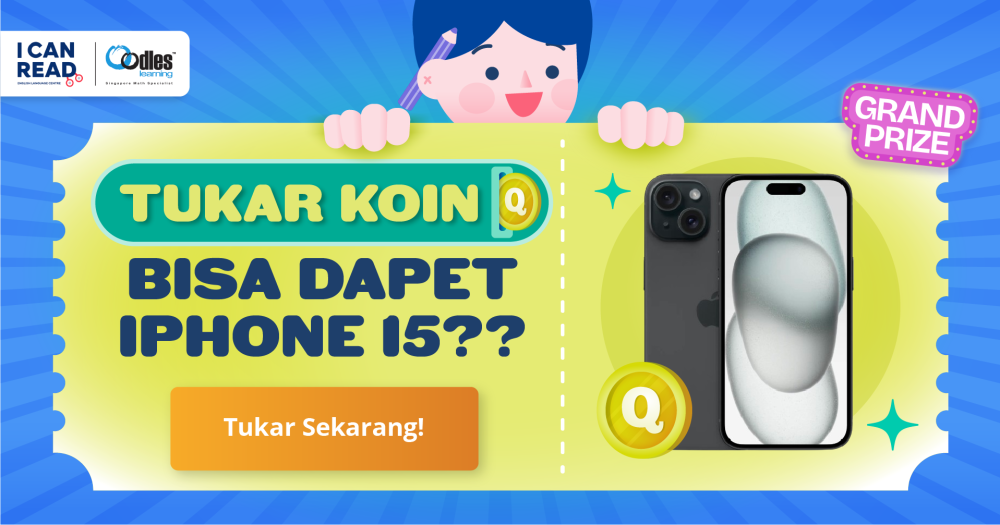
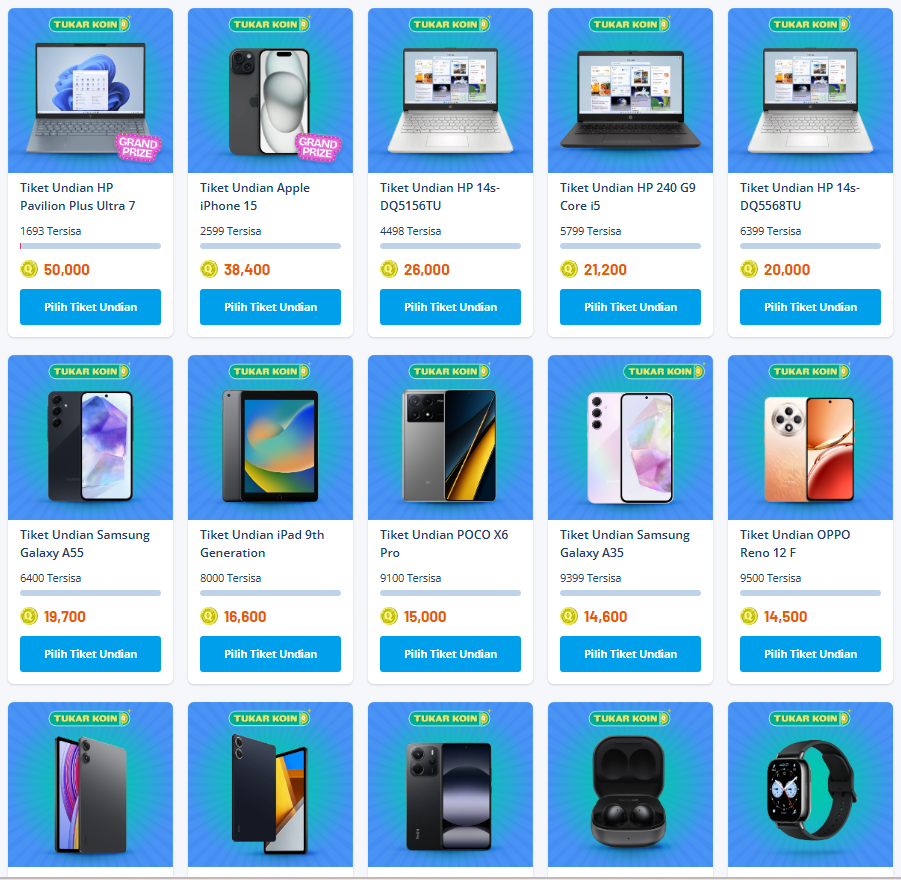
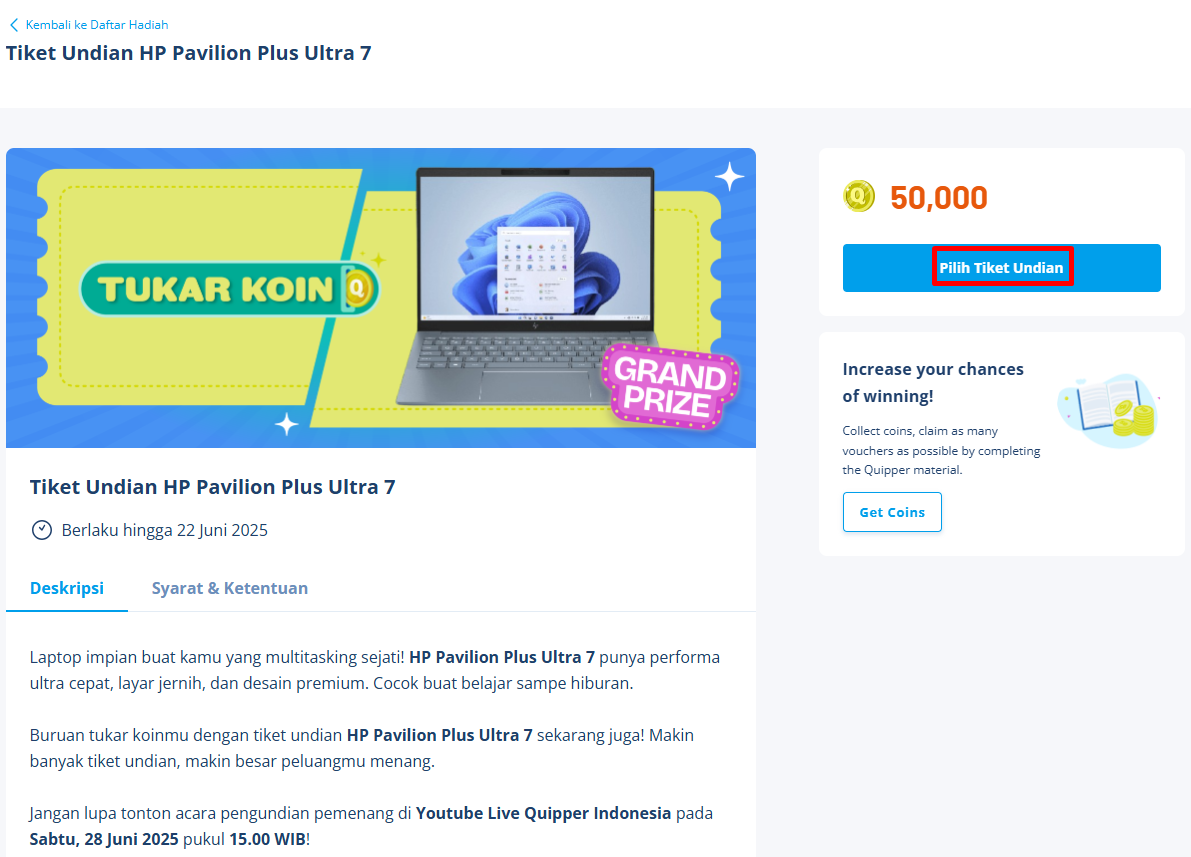
The 2025 campaign features a multi-tiered reward structure designed to appeal to a broad demographic of students. At the pinnacle of the reward hierarchy are the "Grand Prizes," which include flagship technology products such as the iPhone 15 and high-performance laptops. These items are strategically chosen to assist students in their continued digital education, providing the hardware necessary for advanced software applications and online research.

Beyond the grand prizes, the program offers an extensive list of secondary rewards, including:
- Mid-range smartphones and tablets.
- Wearable technology, such as smartwatches.
- Audio equipment, including True Wireless Stereo (TWS) earbuds.
- Digital vouchers for various consumer services.
In addition to individual student rewards, Quipper has introduced a category for "Active Schools." The three schools with the highest average coin accumulation per student will receive professional-grade educational hardware provided by ViewSonic. These institutional prizes include Interactive Flat Panels (IFP), commercial-grade displays, and high-lumen projectors. This component of the program is designed to encourage teachers and school administrators to integrate the platform more deeply into their daily classroom instruction.
Chronology of the 2025 Exchange Program
The program is scheduled to operate on a strict timeline to coincide with the end of the Indonesian school year. The coin exchange window is set to open on May 5, 2025, and will remain active until June 22, 2025. During this period, students must log in to the official Quipper portal to select the prizes they wish to bid for and convert their accumulated coins into digital raffle tickets.

The selection of winners will be conducted through a transparent drawing process. Quipper has scheduled a live broadcast on the Quipper Indonesia YouTube channel for June 28, 2025, at 15:00 WIB (Western Indonesian Time). This public announcement format is intended to ensure the integrity of the drawing and build excitement within the user community. Following the announcement, a 14-day verification window will be established, during which winners must confirm their identity and eligibility to claim their prizes.
Technical Mechanics of Coin Conversion
The process for participating in the exchange has been streamlined within the Quipper user interface to ensure accessibility. Students are required to follow a specific protocol to ensure their entries are valid:
- Portal Access: Users must navigate to the "Coin" or "Rewards" section on the learn.quipper.com dashboard.
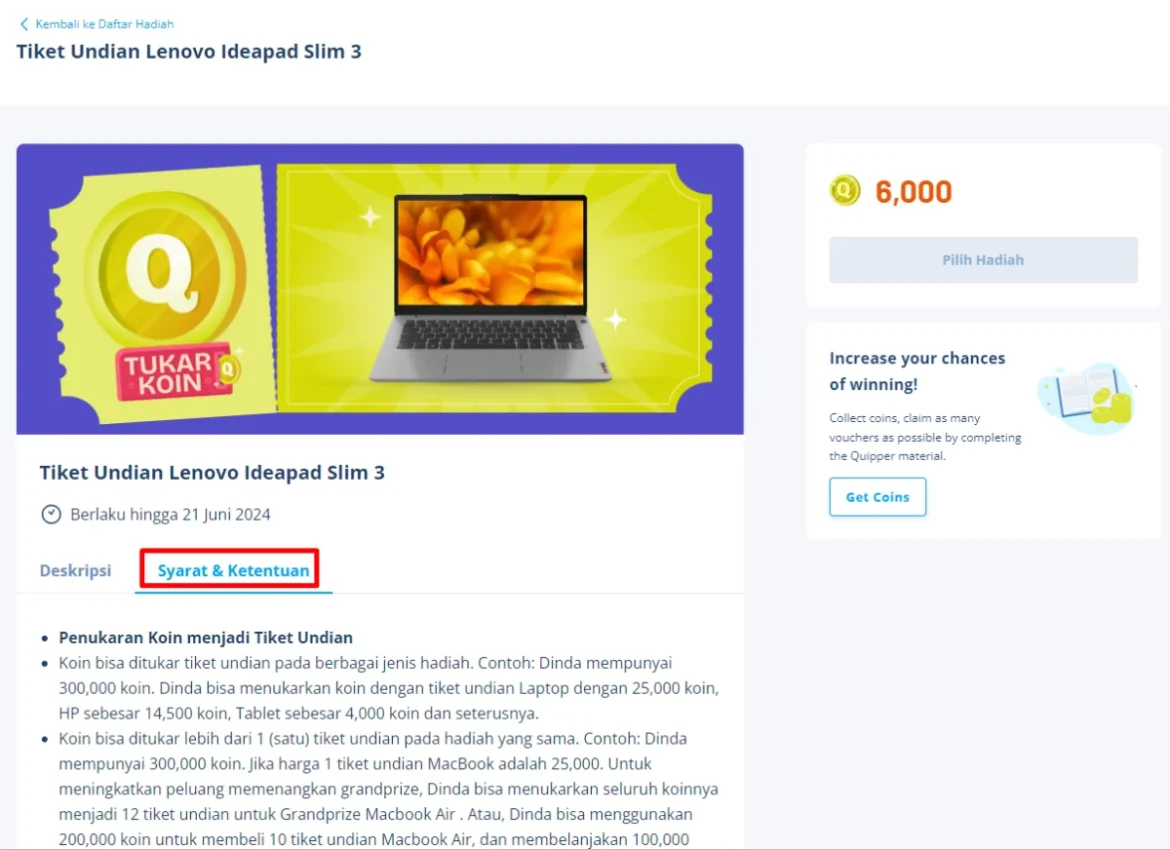
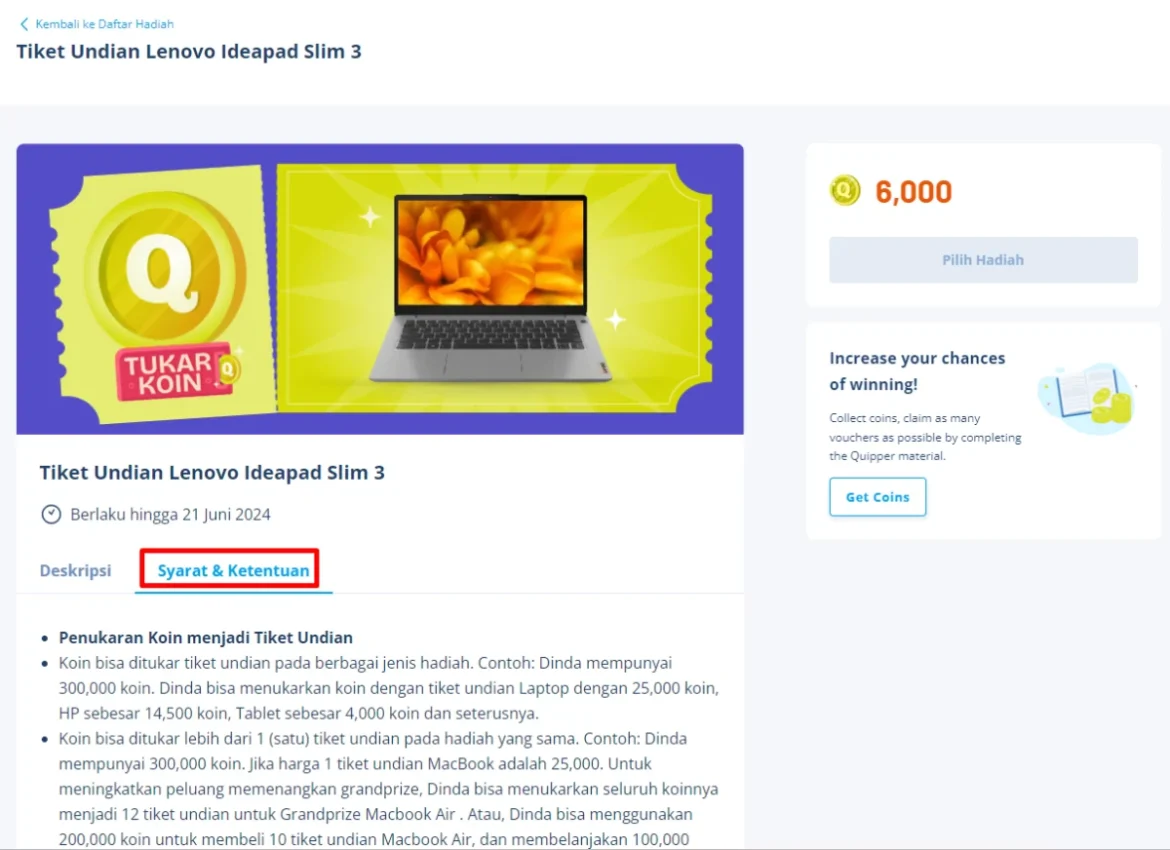
- Catalog Selection: Students browse the available prize pool, where each item is assigned a specific coin value per ticket.
- Strategic Allocation: The system allows for multiple tickets to be purchased for a single item, increasing the statistical probability of winning, or for coins to be distributed across various prize categories.
- Form Submission: Upon successful conversion, participants must complete a validation form to link their raffle entries to their verified student profiles.
Quipper’s backend systems are programmed to monitor these transactions in real-time. In instances where ticket quotas are exceeded or technical errors occur, the platform has a built-in "coin refund" policy to ensure that student effort is not wasted due to system limitations.
Terms, Conditions, and Fraud Prevention
To maintain the fairness of the competition, Quipper has implemented a rigorous set of terms and conditions. A key regulation is the "Anti-Duplication Rule," which stipulates that while a student may win multiple prizes across different categories, they cannot win two of the same high-value item (e.g., a single student cannot win two iPhone 15s). This ensures a wider distribution of rewards among the student body.
Furthermore, the company has emphasized that it will cover all shipping costs and applicable taxes for the prizes. This is a significant logistical undertaking, considering the geographical spread of Indonesian schools. However, Quipper has also clarified its liability limits, stating that the company is not responsible for damage or loss incurred during the third-party shipping process once the item has left their distribution center.
To prevent the exploitation of the system—such as the use of automated scripts to "farm" coins—Quipper’s data team will perform a comprehensive audit of winning accounts. Any account found to be in violation of the platform’s general terms of service will be disqualified, and their prizes will be forfeited.

Analysis: The Role of Gamification in Modern Pedagogy
The Quipper Coin Exchange is more than a simple marketing promotion; it is a case study in the application of gamification in a pedagogical context. Indonesia faces unique challenges in education, including varying levels of student motivation and a vast digital divide. Gamified systems help bridge these gaps by providing immediate, extrinsic motivation that can eventually lead to intrinsic academic interest.
Data from previous iterations of similar reward programs suggests that engagement metrics—such as the number of hours spent on the platform and the completion rate of optional modules—tend to spike during the reward announcement phase. By rewarding the "average" coin accumulation for schools, Quipper also leverages social proof and peer influence. When students see their classmates earning rewards, they are more likely to participate, creating a "rising tide" effect for the entire classroom’s academic output.
Furthermore, the partnership with ViewSonic highlights a growing trend of corporate synergy in the EdTech space. By providing schools with the tools to better utilize digital content, hardware manufacturers like ViewSonic ensure that the software provided by Quipper can be delivered more effectively, creating a holistic ecosystem for digital learning.
Broader Implications for the Indonesian EdTech Landscape
As Indonesia strives toward its "Golden Indonesia 2045" vision, the role of digital literacy and independent learning becomes paramount. Initiatives like the Quipper Coin Exchange contribute to this vision by making the learning process more attractive to a generation of digital natives. The focus on high-tech prizes is particularly relevant, as it equips students with the very tools they need to succeed in a digital economy.
Industry observers note that as the EdTech market becomes increasingly crowded, platforms must look beyond content quality to differentiate themselves. User experience and engagement strategies are becoming the new battlegrounds. Quipper’s 2025 program sets a high bar for competitors, suggesting that the future of online education in Southeast Asia will be characterized by a blend of rigorous curriculum and sophisticated, incentive-driven engagement models.
The success of this program will likely be measured not just by the number of tickets exchanged, but by the long-term retention of students within the Quipper ecosystem. As the June 2025 deadline approaches, the Indonesian educational community will be watching closely to see how these digital incentives translate into real-world academic progress and institutional development.