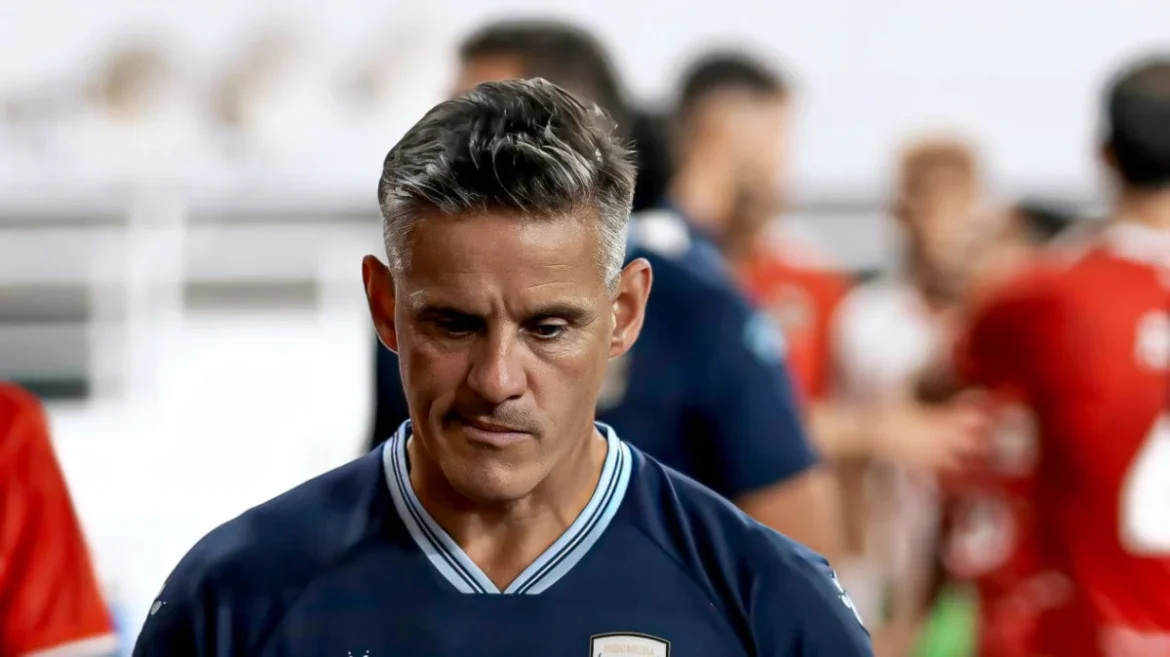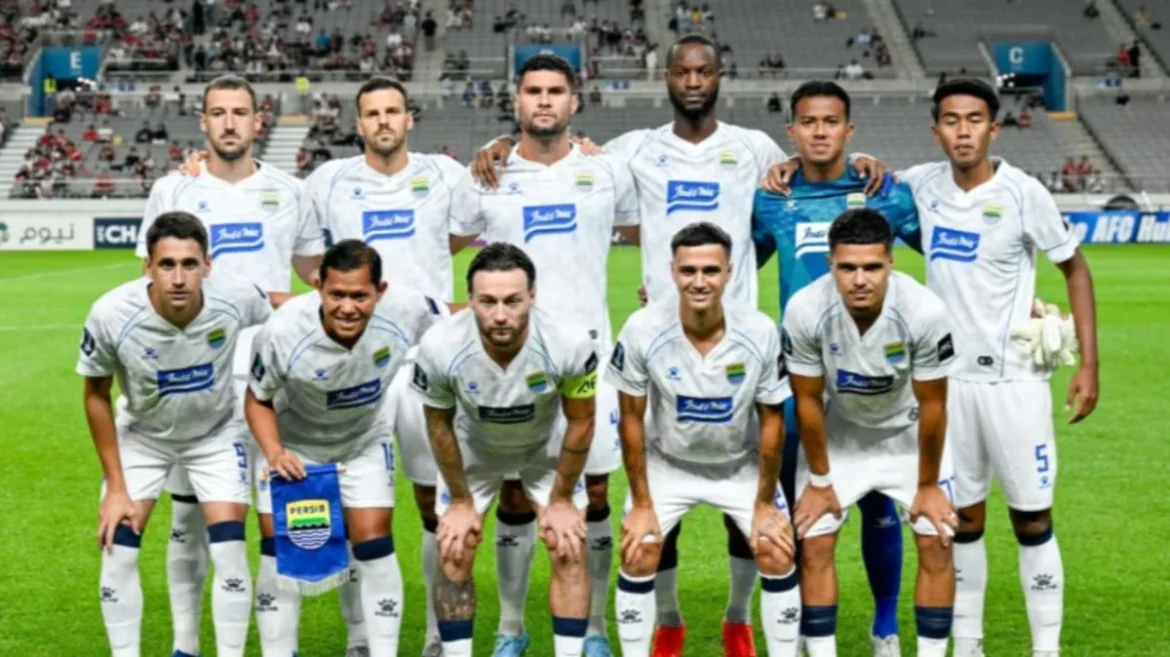
The landscape of Indonesian and Asian football dominated the headlines of VIVA.co.id’s sports channel throughout Thursday, September 17, 2026, capturing a duality of intense domestic anxiety and historic continental triumph. As the national team intensifies its preparations under the watchful eye of head coach John Herdman ahead of the much-anticipated FIFA ASEAN Cup 2026, the squad finds itself grappling with a severe injury crisis that threatens to derail final selection plans. Simultaneously, the euphoria of regional competition electrified Indonesian football enthusiasts as powerhouse Persib Bandung carved their name into the history books with a stunning away victory against South Korean giants FC Seoul in the opening fixture of the AFC Champions League Two (ACL 2) 2026/2027 season. This comprehensive review synthesizes the most read stories, analyzing the compounding pressures on the national setup and the strategic victories reshaping Indonesia’s standing in international club competitions.
The Looming Shadow of the FIFA ASEAN Cup 2026: Badai Cedera Strains the Garuda Squad
With the FIFA ASEAN Cup 2026 fast approaching, the Indonesian National Team—affectionately known as the Garuda squad—is facing an uphill battle in its final phase of preparation. Head coach John Herdman, who has systematically sought to instill a rigorous tactical identity since taking the helm, is currently navigating an unprecedented wave of physical setbacks. Reports indicate that at least five key players have been entered into the medical room, forcing the technical coaching staff to delay the finalization of the national roster.
The timing of these injuries could not be worse. Indonesia is slated to host a significant portion of the tournament matches, placing immense psychological and physical expectations on the shoulders of the players and the coaching staff. Playing on home soil provides an undeniable advantage in terms of fan support, but it simultaneously amplifies the pressure to deliver a championship-winning performance.
According to sources close to the Football Association of Indonesia (PSSI) and the national team camp, Herdman and his assistants had formulated a preliminary tactical framework weeks in advance. However, the accumulation of muscular strains, impact injuries, and fatigue—stemming from demanding domestic league schedules—has thrown those plans into disarray. The medical team is locked in a race against time, evaluating daily fitness tests to determine whether core members of the squad can be cleared for competitive action or if emergency replacements must be drafted from the provisional pool.
Tactical Scrutiny and Rising Stars: Rafael Struick and Ivar Jenner Under the Microscope
Amidst the anxiety surrounding the injury crisis, the race for final roster spots has intensified remarkably. National team manager John Herdman has maintained an active presence observing domestic fixtures in the Super League 2026/27, with particular attention directed toward players plying their trade with Dewa United, most notably forward Rafael Struick and midfielder Ivar Jenner.
The inclusion and evaluation of Rafael Struick represent one of the most compelling subplots of the current national team cycle. Earlier in the year, analysts and insiders suggested that Struick was lingering on the periphery of Herdman’s primary tactical radar, largely due to fluctuating form and tactical adjustments required by the coaching staff. However, the dynamic 23-year-old attacker has completely shifted that narrative through a blistering start to the Super League 2026/27 campaign.
Struick’s resurgence was punctuated during Dewa United’s high-stakes opening fixture against Persik Kediri. Demonstrating both poise and elite technical ability, Struick broke the deadlock with a ferocious, long-range strike from outside the 18-yard box. The goal not only secured a vital 1-0 victory for Dewa United but also served as an emphatic statement to the national team coaching staff. His ability to create scoring opportunities out of minimal space and his renewed defensive work rate have forced Herdman to re-evaluate his offensive depth chart, especially as injuries deplete other frontline options.
Alongside Struick, midfielder Ivar Jenner remains a focal point of tactical monitoring. Jenner’s composure in the center of the park, distribution range, and ability to dictate the tempo of transitional play make him indispensable to modern tactical setups. Herdman’s reliance on high-intensity pressing and quick vertical transitions requires central midfielders who can absorb pressure and execute under duress, traits that Jenner has consistently displayed in domestic competition.
Continental Glory: Persib Bandung Stuns FC Seoul in AFC Champions League Two
While the national team battles internal fitness issues, Indonesian club football experienced a night of historic jubilation on the continental stage. Persib Bandung delivered a masterclass in tactical discipline and resilience, securing a famous 1-0 victory over South Korean powerhouse FC Seoul during their opening fixture of the AFC Champions League Two (ACL 2) 2026/2027 season.
The match, played away in South Korea, was anticipated by regional pundits as a daunting assignment for the Indonesian champions, given the historical dominance of East Asian clubs in continental tournaments. However, Persib executed a brilliant defensive block coupled with clinical counter-attacking execution that frustrated the hosts from the opening whistle to the final blow.
The victory shed light on several critical dynamics within elite Asian club football. On one hand, FC Seoul’s technical staff, led by manager Kim Ki-dong, opted for a full rotation of their squad to manage simultaneous domestic league obligations. Critics and analysts in South Korea immediately pointed to this sweeping rotation as a fatal tactical miscalculation, arguing that the wholesale changes stripped the team of its rhythm, cohesion, and attacking fluidity. On the other hand, credit must be directed entirely toward Persib’s tactical blueprint, which exploited the disorganization in Seoul’s ranks and punished them efficiently.
Broader Implications: Boosting Indonesia’s Standing in the AFC Rankings
The resonance of Persib Bandung’s victory extends far beyond the three points earned in Group Stage play. In the broader context of Asian football governance, coefficients, and rankings, this result acts as a monumental catalyst for Indonesian club football.
For years, the performance index of Indonesian clubs in continental competitions has lagged behind traditional powerhouses in Japan, South Korea, Saudi Arabia, and the broader West and East Asian zones. Consequently, the allocation of direct slots for Indonesian teams in elite AFC competitions has remained limited. However, consecutive strong showings—culminating in this watershed away victory against a K-League heavyweight—directly elevate Indonesia’s coefficient points in the official AFC Club Competitions Ranking.
An improved ranking holds profound economic and structural implications for the domestic league. Higher coefficients translate directly into increased slot allocations for future editions of the AFC Champions League Elite and AFC Champions League Two, allowing more Indonesian clubs to test their mettle against continental elites, attract higher-caliber foreign talent, and secure lucrative broadcasting and sponsorship revenues. The ripple effect of Persib’s triumph in Seoul thus revitalizes the entire ecosystem of the Indonesian football pyramid.
Analysis of Current Challenges and Future Outlook
The juxtaposition of the national team’s fitness crisis and the club side’s continental breakthrough encapsulates the current state of football in Indonesia: a landscape brimming with immense raw potential, passionate support, and competitive ambition, yet continually tested by systemic and physical hurdles.
John Herdman’s immediate challenge is to insulate the national team from the anxieties of the injury bug. Managing player load is an ongoing debate between national team federations and domestic club managers. With the Super League 2026/27 operating under an intense schedule to accommodate international windows, the physical toll on elite athletes has reached critical thresholds. The reliance on sports science, injury prevention protocols, and transparent communication between club medical departments and the PSSI has never been more crucial.
Furthermore, the emergence of players like Rafael Struick underscores the importance of domestic leagues acting as a legitimate proving ground for international selection. If players can maintain high-intensity performances week in and week out, the national team depth chart naturally strengthens, mitigating the disruptive impact of sudden injuries to marquee starters.
As September 2026 progresses, the focus across the archipelago remains firmly fixed on two fronts: the final roster selection and tactical fine-tuning of the Garuda squad ahead of the FIFA ASEAN Cup, and Persib Bandung’s ongoing campaign to advance deep into the knockout stages of the AFC Champions League Two. Both arenas demand absolute precision, physical endurance, and mental fortitude. Whether the national team can overcome its current injury adversities to claim regional supremacy, and whether Indonesian clubs can sustain their newfound continental momentum, will define one of the most consequential eras in modern Indonesian football history.