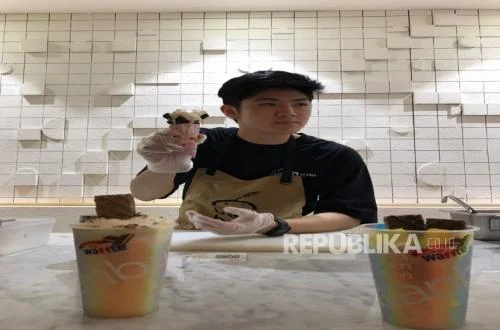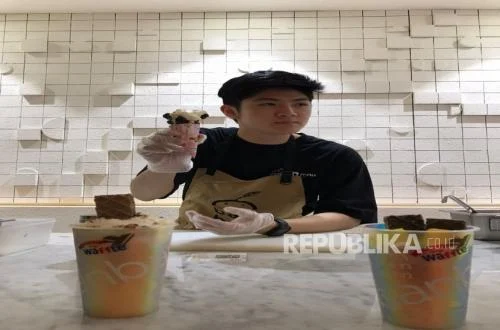
The Indonesian food and beverage landscape continues to evolve as consumer preferences shift toward experimental and multisensory experiences. In a strategic move to capture the attention of the younger demographic, Ban Ban Indonesia, a prominent player in the artisanal beverage sector, has officially partnered with Tango Waffle, a flagship brand under the OT Group (Orang Tua Group). This collaboration, announced during a press event in Jakarta on Friday, February 10, 2023, introduces a series of innovative menu items designed to merge the textures of premium snacks with the complexity of high-quality beverages.
Wu Yi Jun, the Chief Executive Officer of Ban Ban Indonesia, emphasized that the modern consumer is no longer satisfied with standard beverage offerings. Today’s market, particularly within the urban centers of Indonesia, seeks a "complete sensation" in the mouth—a harmony of textures that includes crunchiness, creaminess, and a balance of diverse flavor profiles. By integrating Tango Waffle into Ban Ban’s signature drink recipes, the collaboration aims to provide a culinary experience that is both nostalgic and avant-garde.
The Strategic Vision Behind the Collaboration
The partnership between Ban Ban and Tango Waffle is rooted in a deep understanding of the "experience economy." According to Wu Yi Jun, Ban Ban has built its reputation on authenticity, utilizing fresh, high-quality ingredients to differentiate itself in a crowded market. The decision to partner with Tango, a household name in Indonesia known for its wafer and waffle products, allows Ban Ban to tap into a broader audience while maintaining its premium positioning.
The primary target for this collaboration is the Gen Z and Millennial demographic, specifically individuals between the ages of 20 and 35. This age group is characterized by a high degree of digital literacy, a penchant for aesthetic "Instagrammable" food, and a willingness to try new flavor combinations. However, beyond the superficial trends, Wu noted that these generations are currently navigating significant life transitions. Whether it is entering the workforce, finishing higher education, or establishing financial independence, these consumers often oscillate between optimism and uncertainty—a state often referred to in local Indonesian parlance as "galau" or a state of indecision and emotional flux.
By positioning these new products as "companions" for daily life, Ban Ban and Tango Waffle aim to create an emotional resonance with their customers. The collaboration is not merely about selling a drink; it is about providing a moment of indulgence and comfort during the hectic or contemplative periods of a young adult’s day.
Menu Innovations: A Fusion of Flavors and Textures
The collaboration has resulted in three distinct offerings that showcase the versatility of both brands. Each item was developed to represent different personality traits and emotional states common among the target audience.
- Choco Hazelnut: This variant is designed to appeal to the "soft" and "sweet" side of the consumer. It features a rich hazelnut chocolate base, complemented by the crunch of Tango Waffle. It is marketed as a representation of those who are gentle, affectionate, and seeking comfort.
- Cookies and Cream (Kuro Kukkie): Utilizing a darker aesthetic, this menu item features the "Kuro" (black) theme. Despite its somewhat "cool" or "indifferent" outward appearance, the flavor profile is sweet and creamy. This is intended to represent individuals who may seem aloof or "cuek" on the surface but are actually warm and caring. The drink utilizes the new Tango Waffle Cookies and Cream, which includes a thick cream filling, cookie crumbs, and rice crispies for added texture.
- Tango Creme Brulle Moffle: Moving beyond the beverage category, the collaboration also introduced a "Moffle"—a hybrid of mochi and waffle. This snack item utilizes the caramelization techniques of a creme brulee to create a crispy, sugary exterior while maintaining the chewy texture of mochi and the structure of a Tango Waffle.
A significant highlight of the new series is the commitment to quality. Ban Ban continues to prioritize natural ingredients, including fruit-derived sweeteners rather than purely synthetic syrups. This aligns with the growing global trend of "permissible indulgence," where consumers seek treats that feel premium and slightly healthier than traditional fast-food options.
Contextualizing the Market: The Rise of Hybrid F&B in Indonesia
The collaboration between Ban Ban and Tango Waffle reflects a broader trend in the Indonesian Food and Beverage (F&B) industry: the rise of the "Hybrid Product." As the market becomes saturated with standard bubble teas and coffee chains, brands are forced to innovate through cross-industry partnerships.
Data from various market research firms indicate that the Indonesian snack market has seen a steady Compound Annual Growth Rate (CAGR) of approximately 6-8% over the last five years. Simultaneously, the artisanal tea and specialty beverage market has exploded, driven by the lifestyle choices of urban youth. By merging a "snack" brand (Tango) with a "lifestyle beverage" brand (Ban Ban), both companies can leverage each other’s brand equity. For Tango, it elevates the product from a supermarket shelf staple to a premium dessert ingredient. For Ban Ban, it provides a recognizable "crunch" factor that is difficult to replicate with generic toppings.
Harianus Zebua, Head of Corporate and Marketing Communication at OT Group, explained that the collaboration also serves as a platform to launch Tango’s newest innovation: the Tango Waffle Cookies and Cream. "We see that the character of Gen Z and Millennials is to follow trends—they love what is new and unique," Zebua stated. He further explained that the "black" or "Kuro" theme of the Cookies and Cream variant was a deliberate choice to challenge perceptions. "In the context of their ‘galau’ or transitions, a dark color doesn’t mean indifference. It’s an invitation to ‘try it first’ before judging."
Psychological Branding and Consumer Behavior
The emphasis on the psychological state of Gen Z and Millennials is a sophisticated marketing tactic. In a post-pandemic world, brand loyalty is increasingly driven by emotional connection rather than just price or availability. By acknowledging the "transitions" and "uncertainties" of life, Ban Ban and Tango position themselves as empathetic brands.
The "Moffle," in particular, represents the fusion of cultures that Gen Z appreciates. Mochi, a traditional Japanese treat, combined with the Western-style waffle, creates a "global" product that fits the cosmopolitan tastes of Jakarta’s youth. The texture—chewy yet crunchy—mimics the complexity of the "sensations" that Wu Yi Jun mentioned. This focus on "mouthfeel" is a growing area of study in food science, where the physical act of chewing and the variety of textures can enhance the perceived value and enjoyment of a product.
Chronology of the Launch and Future Outlook
The partnership was officially unveiled in early February 2023, timed to coincide with the period leading up to Valentine’s Day and the mid-quarter refresh for many retail brands. The Friday launch allowed the brands to capture the weekend "hangout" crowd in Jakarta’s major shopping malls, where Ban Ban outlets typically see their highest foot traffic.
Following the launch in Jakarta, the collaboration menus were made available across various Ban Ban locations. The strategy includes not only in-store purchases but also a heavy focus on delivery apps, which remain a primary channel for Gen Z consumers. The visual appeal of the drinks—the layers of chocolate, the visible waffle pieces, and the "Kuro" aesthetic—was designed specifically to perform well on social media platforms like TikTok and Instagram, ensuring organic reach through user-generated content.
Looking forward, this collaboration sets a precedent for OT Group to integrate its legacy snack brands into the modern "cafe culture." For Ban Ban, it demonstrates a path toward sustainability by diversifying its menu beyond tea-based drinks into the dessert and snack category.
Analysis of Implications for the Indonesian F&B Sector
This move by Ban Ban and OT Group is likely to trigger similar collaborations among competitors. As the cost of raw materials rises, F&B brands are finding that "limited-time offers" (LTOs) and high-profile collaborations are more effective at driving sales spikes than permanent menu changes.
Furthermore, the focus on "natural fruit sweeteners" highlights a shift in the Indonesian regulatory and consumer environment regarding sugar consumption. While the products remain indulgent, the move toward "sari alami" (natural extracts) reflects a subtle pivot toward the "health-conscious" Gen Z segment that still wants to enjoy a dessert.
In conclusion, the Ban Ban and Tango Waffle collaboration is a calculated response to the evolving psychological and culinary demands of Indonesia’s youth. By blending the artisanal approach of Ban Ban with the industrial strength and brand recognition of Tango, the partnership creates a unique niche in the market. It addresses the "kegalauan" of a generation with the simple, sensory pleasure of a well-crafted beverage, proving that in the modern economy, flavor is just as much about feeling as it is about taste.