
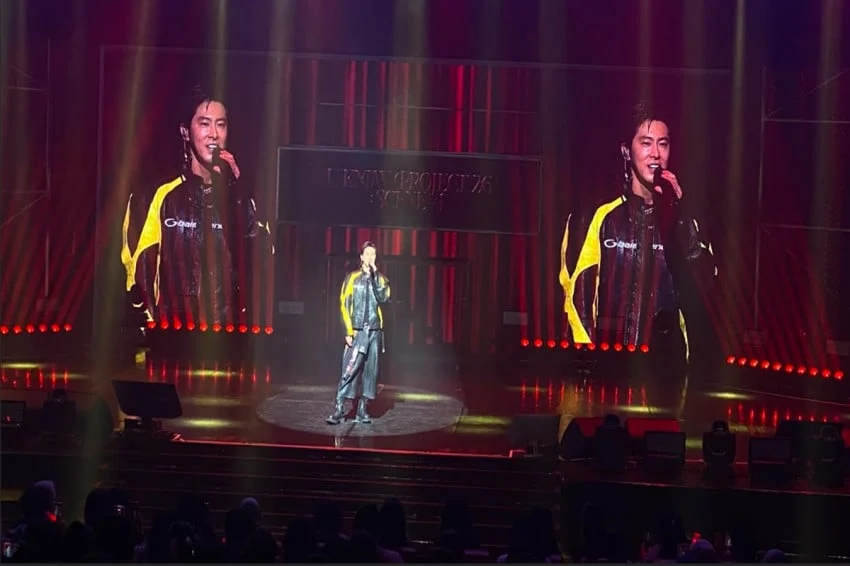
The Jakarta Concert Hall at the iNews Tower in Jakarta witnessed a paradigm shift in performance art on Saturday, September 12, 2026, as Yunho—the powerhouse performer and stalwart member of the legendary K-pop group TVXQ—took the stage for his debut solo concert in Indonesia, titled U-KNOW PROJECT 26: SCENE#1. Moving away from the conventional structure of a standard pop concert, the event offered an experimental blend of theater, musical storytelling, and high-octane choreography that left the audience, known as Cassiopeia, captivated by a narrative-driven performance.
A Departure from Conventional Concert Formats
While most touring artists rely on a sequence of hit songs interspersed with occasional banter, U-KNOW chose to treat his Jakarta audience to an immersive "universe." The production was meticulously designed to function less like a concert and more like a live-action cinematic experience. From the moment the house lights dimmed, it became clear that the evening was structured into distinct acts, each representing a facet of Yunho’s identity and professional evolution.
The narrative arc was established early on through a visually striking prologue. The performance opened with a cinematic sequence featuring a younger version of Yunho, who acted as the catalyst for the evening’s journey. By interacting with a symbolic remote control, the younger persona triggered a "Time Machine" sequence that bridged the gap between the performer’s childhood dreams and his current status as a global icon. This thematic device provided the connective tissue for the entire performance, allowing the setlist to flow organically from one emotional state to another.
Chronology of the Performance
The show, which began promptly, saw a carefully curated selection of tracks that served the narrative rather than just serving the charts. The early segment of the concert focused on high-energy, high-production numbers. Tracks such as "Drop," "Follow," and "Set in Stone" were utilized to anchor the "universe" of the U-KNOW PROJECT 26. Each song was accompanied by specific lighting cues and stage design choices that mirrored the aesthetic of a high-budget music video.
As the performance progressed, the atmosphere shifted from the cold, mechanical precision of the opening "Time Machine" sequence to more intimate, character-driven moments. By the midpoint of the show, Yunho transitioned into a series of vocal-heavy performances that showcased his range, effectively stripping back the production to highlight his growth as a soloist. This pacing allowed for a rhythmic breathing room, ensuring that the audience remained engaged with the shifting dynamics of the story.
Artistic Intent and Creative Vision
During a structured engagement session with the audience, Yunho provided insight into the motivations behind the unique format of the Jakarta show. Addressing the crowd, he emphasized that his primary goal was to transcend the limitations of traditional musical performance.
"My intention for this project was to provide an experience that feels like watching a film and a musical simultaneously," Yunho explained to the packed house at the Jakarta Concert Hall. This statement reflects a growing trend in the K-pop industry where veteran idols are seeking to redefine their solo careers by integrating multidisciplinary arts into their concert tours. By merging the live energy of a concert with the structured storytelling of theater, U-KNOW has effectively carved out a niche that prioritizes artistic legacy over simple entertainment.
Historical Context and Industry Significance
Yunho’s career, spanning over two decades in the fiercely competitive South Korean entertainment industry, has been defined by his versatility. As a member of TVXQ, he has been a pillar of the "Hallyu" wave, helping to export South Korean culture to global markets. His decision to launch a solo project of this magnitude in Jakarta is not a coincidence; it is a strategic acknowledgment of the Indonesian market’s maturity.
Indonesia consistently ranks among the top countries for K-pop consumption globally, with a fan base that is increasingly demanding more sophisticated production values. The selection of the Jakarta Concert Hall—a venue known for its excellent acoustics and intimate seating capacity—further underscores the intent behind the show. Unlike larger stadiums that rely on spectacle and distance, the Jakarta Concert Hall allowed for a level of detail and audience interaction that would be lost in a larger arena. This choice of venue is indicative of a broader shift where artists prioritize the quality of the "live experience" over the sheer volume of attendees.
Data and Market Impact
The success of U-KNOW PROJECT 26: SCENE#1 serves as a case study for the economic viability of "niche" high-concept tours. Industry analysts have noted that while stadium tours remain the primary revenue driver for K-pop acts, the rise of "theatrical concerts" offers a sustainable alternative for artists who wish to maintain creative control and foster a deeper connection with their fan base.
Moreover, the production of such a show requires significant logistical coordination. The use of projection mapping, synchronized time-code lighting, and multimedia segments indicates a heavy investment in the technical infrastructure of the tour. For the local event organizers, hosting a production of this technical complexity reinforces Jakarta’s position as a premier destination for high-end international performances.
Implications for Future Solo Endeavors
The reception of this concert in Jakarta suggests that audiences are ready for, and indeed expecting, more experimental work from established idols. By framing the concert as a narrative, U-KNOW has successfully navigated the transition from an "idol" to an "artist" in the eyes of his audience. This shift is critical for longevity in the industry, as it allows performers to bypass the typical lifecycle of a pop star and enter a phase of sustained creative production.
The "U-KNOW PROJECT 26" label itself suggests that this is merely the first in a series of planned iterations. The "SCENE#1" moniker implies that there will be a "SCENE#2" and perhaps a "SCENE#3," creating a serialized experience that encourages repeat attendance and long-term engagement. This serialized approach is a departure from the one-off "world tour" model, signaling a more thoughtful, curated, and sustained approach to touring.
Conclusion
As the curtains closed at the Jakarta Concert Hall, the lingering impression was not merely one of having heard popular songs, but of having witnessed a deliberate, carefully crafted artistic statement. Through the fusion of visual storytelling and live music, Yunho has set a new benchmark for solo performers in the region.
The U-KNOW PROJECT 26: SCENE#1 in Jakarta stands as a testament to the fact that, even after years at the pinnacle of the music industry, artists can continue to evolve. By challenging the traditional boundaries of what a concert should be, Yunho has provided his fans with a performance that feels personal, ambitious, and undeniably sophisticated. For the Jakarta audience, the night was more than just a concert; it was an invitation into the internal world of a performer who continues to prove that his creative journey is only just beginning.
