The global streaming landscape is bracing for a major historical romance event as Netflix prepares to release The Scandal, a lavishly produced South Korean drama series set against the rigid social constraints of the Joseon Dynasty. Scheduled to premiere globally on September 18, 2026, the project has already garnered significant attention from industry insiders and international fans alike. Featuring a powerhouse main cast consisting of acclaimed actress Son Ye Jin, heartthrob Ji Chang Wook, and multi-talented performer Nana, the series promises a compelling exploration of power dynamics, repressed desires, and complex romantic entanglement.
Adapted from Pierre Choderlos de Laclos’s 1782 epistolary masterpiece Dangerous Liaisons, The Scandal breathes new life into a timeless narrative that has previously captivated audiences across various cultural mediums. While the source material is French, its thematic exploration of aristocratic manipulation, societal hypocrisy, and the high stakes of romantic chess finds a natural home in the intensely hierarchical and patriarchal structure of Korea’s Joseon era.
Narrative Foundation and Literary Legacy
The journey of Dangerous Liaisons to the screen has a storied history, particularly within South Korea. In 2003, the classic French novel inspired the acclaimed film Untold Scandal, which successfully localized the plot to the late Joseon period and became a commercial and critical success. More than two decades later, creators have chosen to revisit this rich backdrop, expanding the scope into a serialized television format. This episodic approach allows for deeper character development, more intricate plotting, and a more expansive exploration of the socio-political pressures defining the lives of Joseon aristocracy.
Unlike the 2003 film adaptation, the 2026 series The Scandal aims to amplify the psychological depth of its characters, particularly regarding the gender constraints of the era. The narrative explores how upper-class individuals navigated a world where personal autonomy was heavily curtailed by Confucian ideals, especially for women. By translating European aristocratic intrigue into the opulent yet stifling courts and estates of Joseon Korea, the series bridges classical Western literature with traditional Korean aesthetics, promising a visual and emotional feast for viewers worldwide.
Comprehensive Synopsis of The Scandal
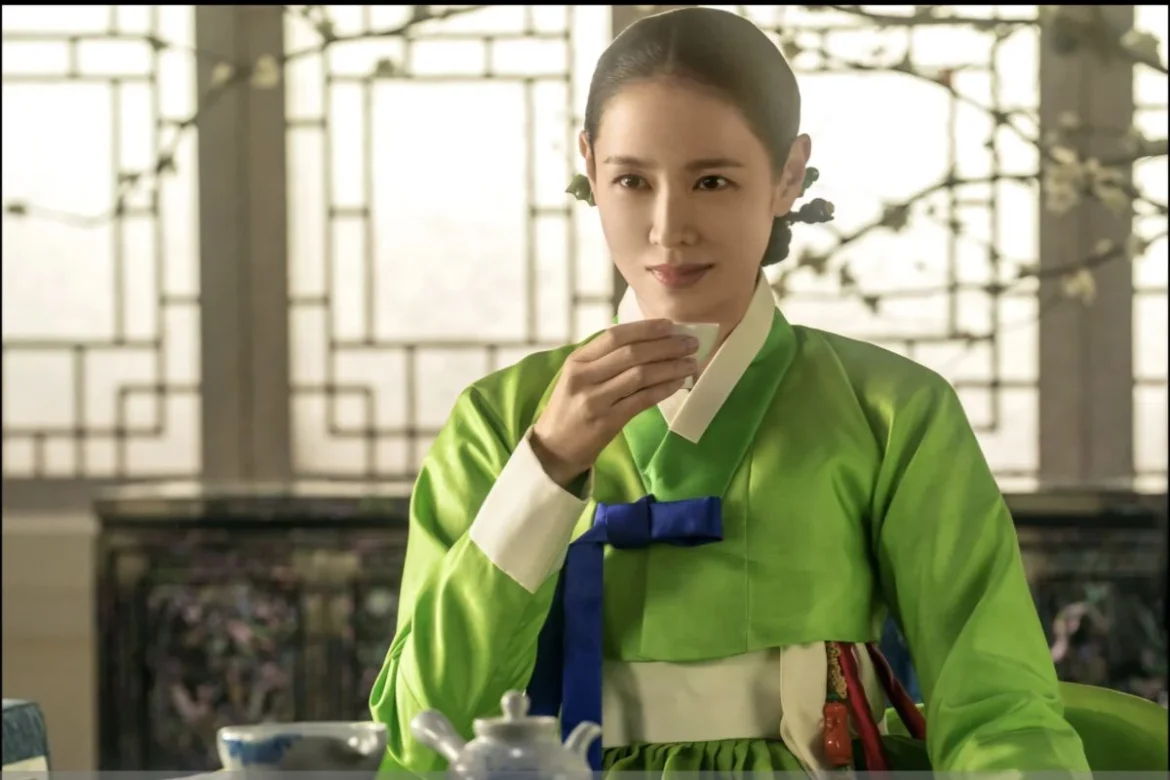
At the center of the unfolding drama is Lady Cho, portrayed by Son Ye Jin. Lady Cho is a brilliant aristocratic woman whose intellect and ambition far exceed the limited societal roles prescribed to women during the Joseon period. Beneath a composed, elegant exterior, she harbors a deep-seated desire to dictate her own destiny and subvert the patriarchal boundaries that cage her. Her character represents the quiet fury of intellectual potential stifled by tradition.
Lady Cho’s life reconnects with that of Cho Won, played by Ji Chang Wook. Cho Won is a man from a distinguished family who has earned a notorious reputation as the ultimate playboy of the Joseon era. Sharing a childhood history, Lady Cho and Cho Won were once close cousins who frequently exchanged personal letters before life paths forced them apart. After a prolonged period of estrangement, a new letter from Lady Cho draws Cho Won back into her orbit, initiating a dangerous psychological game.
The core conflict of the series hinges on a high-stakes wager proposed by Lady Cho. She challenges Cho Won to seduce Hui Yeon, played by Nana. Hui Yeon is a young widow living under exceptionally strict moral codes, her freedom and movement heavily restricted by societal expectations. Compounding her tragic circumstance, Hui Yeon lost her husband even before their wedding ceremony was formally completed, locking her into a state of perpetual mourning and isolation.
As Cho Won sets out to win the wager by infiltrating Hui Yeon’s sheltered existence, his presence unexpectedly begins to shatter the young widow’s monotonous and stifling reality. However, what starts as a callous game orchestrated by Lady Cho rapidly spirals out of control. The boundaries between manipulation and genuine emotion blur, dragging Lady Cho, Cho Won, and Hui Yeon into an inescapable web where personal feelings, pride, and ultimate survival become indistinguishable.
Star-Studded Cast and Character Dynamics
The casting of The Scandal has been hailed as a masterstroke of modern K-drama curation, bringing together three of South Korea’s most magnetic and critically recognized performers.
Son Ye Jin’s involvement in the project follows a remarkable period of international acclaim, including her celebrated appearance at the Venice Film Festival in 2025, which further cemented her status as a global cinematic icon. Known for her nuanced emotional delivery and ability to portray multifaceted female characters, Son is expected to bring layers of vulnerability, cunning, and tragic depth to Lady Cho.
Ji Chang Wook steps into the role of Cho Won, shifting from his recent action-heavy and contemporary romantic roles to a period piece that requires both physical charm and deep psychological torment. The character of the Joseon playboy offers Ji an opportunity to showcase his range, transitioning from arrogant libertaire to a man genuinely undone by unexpected love.
Completing the principal trio is Nana, whose transition from K-pop idol to respected dramatic actress has yielded a string of critically praised performances. As Hui Yeon, Nana is tasked with portraying quiet strength, sorrow, and the gradual awakening of suppressed desires under the unyielding gaze of conservative society.
Cultural Implications and Global Distribution
The strategic release of The Scandal on Netflix on September 18, 2026, highlights the ongoing global appetite for high-production-value historical dramas, commonly known in South Korea as sageuk. By leveraging a universally recognized plotline through Dangerous Liaisons, Netflix aims to attract both domestic historical drama enthusiasts and international audiences unfamiliar with traditional Korean storytelling conventions.
Industry analysts note that period dramas featuring strong feminist undertones—such as exploring how women subverted systemic oppression in historical contexts—have increasingly resonated with modern viewers. The Scandal positions itself not merely as a period romance, but as a commentary on agency, the weaponization of social reputation, and the destructive nature of pride.
As production finalizes and promotional materials begin to roll out, anticipation continues to mount across social media and entertainment forums. With its potent combination of canonical literary roots, stellar lead performances, and lavish Joseon-era production design, The Scandal is poised to become one of the most discussed and analyzed television events of late 2026.