
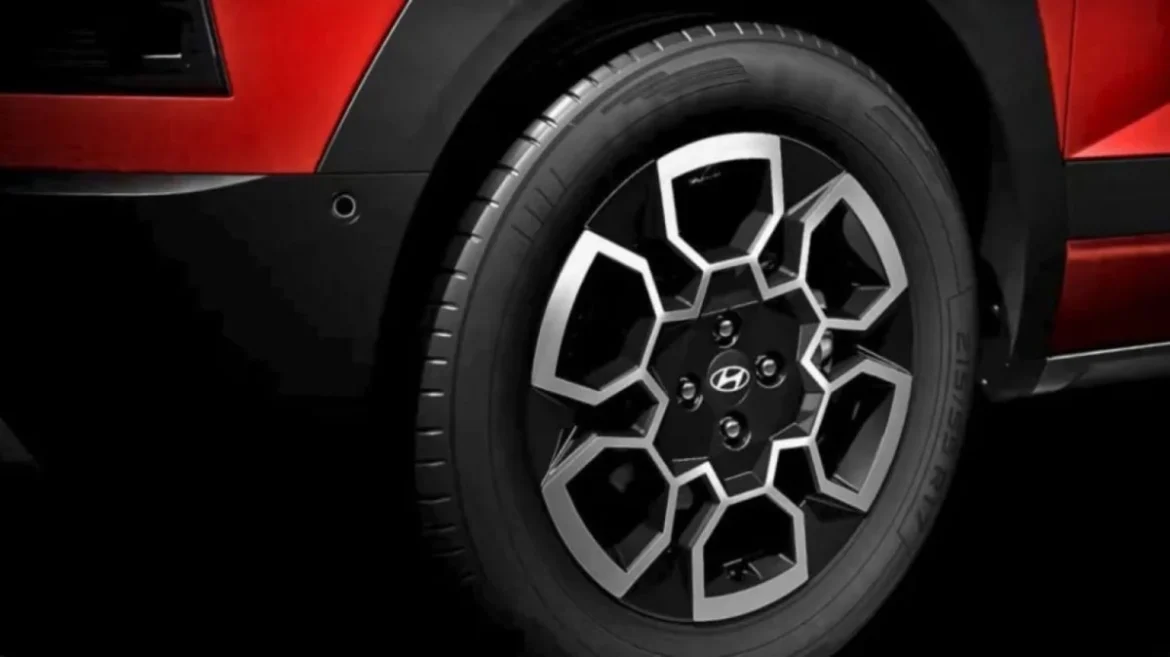
The automotive landscape in India is bracing for a significant addition as Hyundai Motor India Limited (HMIL) continues to peel back the curtain on its upcoming compact SUV, the Hyundai Bayon. While previous teasers focused on the vehicle’s exterior aesthetics and bold styling cues, the manufacturer has now provided a comprehensive look at the interior design, confirming that the model will share a sophisticated design language with the next-generation i20 hatchback. This strategic alignment aims to cater to the evolving tastes of Indian consumers who prioritize cabin technology, ergonomics, and premium aesthetics within the compact SUV segment.
Design Language and Cabin Architecture
The latest interior sketches released by Hyundai reveal a cabin that prioritizes a minimalist yet tech-forward approach. The dashboard layout is characterized by horizontal lines that create an illusion of increased width, a design trend currently favored by global automakers to enhance the sense of space in smaller vehicles. A key highlight is the integration of a dual-screen setup—a configuration that has become a hallmark of modern Hyundai design, previously seen in the updated Venue and the latest i20.
This dual-display architecture serves two primary functions: a digital instrument cluster for the driver and a high-definition touchscreen infotainment system positioned centrally. While official specifications regarding screen size and software capabilities remain under wraps, industry analysts suggest that the system will likely support wireless Apple CarPlay, Android Auto, and Hyundai’s BlueLink connected car suite, which is a significant selling point in the Indian market.
Another departure from traditional design is the arrangement of the climate control interface. The air conditioning controls are integrated into a vertical panel, creating a distinct visual break from the horizontal flow of the dashboard. This move not only optimizes the ergonomics of the center console but also provides a unique identity to the Bayon compared to its siblings. Furthermore, the inclusion of vertical, slim-line air conditioning vents that span the width of the dash suggests a focus on maximizing airflow efficiency and maintaining a clean, clutter-free cockpit.
Ergonomics and Premium Aesthetic Choices
The interior imagery also highlights a shift in material palette. Hyundai appears to be moving toward a brighter color scheme for the Bayon’s cabin. By opting for lighter hues for the upholstery and dashboard trim, the company is attempting to counteract the often claustrophobic feel of compact vehicle interiors, a strategy frequently employed to appeal to families seeking a more airy and upscale environment.
The steering wheel design, depicted as a four-spoke unit with a unique central hub, represents a departure from the conventional designs currently found in the Hyundai lineup. While it remains to be seen if this design will be carried over to the production model or if it is a stylistic choice for the teaser campaign, it signals Hyundai’s intent to position the Bayon as a trendsetter in its segment. Practicality is also addressed, with the inclusion of a dedicated wireless charging pad on the center console, catering to the increasing reliance on mobile connectivity among urban Indian drivers.
Strategic Context and Market Positioning
The decision to introduce the Bayon in India is a calculated move by Hyundai to capture a larger share of the burgeoning compact SUV market. In the Indian automotive sector, the sub-four-meter and near-four-meter segments are the most hotly contested categories. By positioning the Bayon as a distinct alternative to the Creta and the Venue, Hyundai is essentially offering a "crossover" bridge—a vehicle that combines the ride height and road presence of an SUV with the agility and interior technology of a premium hatchback.
This model serves to bridge the gap between the i20, which targets the premium hatchback segment, and the Venue, which is the company’s volume-driver in the sub-compact SUV space. Industry experts observe that as Indian consumers move away from traditional sedans and hatchbacks, the Bayon offers a middle ground for those who desire the styling of an SUV without the cumbersome dimensions of a full-size vehicle.
Projected Powertrain and Technical Specifications
While the exterior and interior aesthetics are now taking center stage, the mechanical heart of the Indian-spec Bayon remains a subject of intense speculation. Based on current industry trends and Hyundai’s existing portfolio in the region, it is widely expected that the SUV will feature the proven 1.5-liter naturally aspirated petrol engine. This engine is highly regarded for its reliability and fuel efficiency, making it an ideal candidate for a vehicle aimed at urban commuting.
Furthermore, there is significant chatter regarding the potential introduction of a factory-fitted Compressed Natural Gas (CNG) variant. With rising fuel prices and an expanding CNG infrastructure in India, Hyundai has been aggressive in offering CNG options across its popular models like the Grand i10 NIOS and the Exter. A CNG-powered Bayon would be a unique value proposition, potentially making it the only "premium" SUV in its class to offer such an economical fuel alternative.
Regarding diesel options, it is increasingly unlikely that the Bayon will be offered with a diesel powertrain. HMIL has been steadily phasing out smaller diesel engines in favor of high-performance turbo-petrol and alternative fuel technologies, aligning with stricter BS6 Phase II emission norms and the overall shift in consumer demand toward cleaner energy sources.
Industry Implications and Future Outlook
The entry of the Bayon into the Indian market marks a significant milestone for Hyundai’s local operations. As of September 2026, HMIL has been aggressively expanding its SUV portfolio to maintain its dominance as the second-largest automaker in the country. The Bayon is expected to play a crucial role in maintaining this momentum by attracting younger, tech-savvy demographics.
From a manufacturing standpoint, the Bayon will likely leverage the high localization levels achieved by HMIL at its Chennai and Talegaon facilities. This high level of local component sourcing will allow the company to price the vehicle competitively against rivals such as the Tata Nexon, Maruti Suzuki Brezza, and Kia Sonet.
The success of the Bayon will likely hinge on the balance between its premium feature set and its final pricing. As the Indian automotive market continues to mature, consumers are no longer just looking for a mode of transport; they are looking for "smart" vehicles that offer connectivity, safety, and a distinct personality. By integrating the interior features of the i20 into the more rugged form factor of a crossover, Hyundai is betting that the Bayon will satisfy these demands.
Chronology of the Development
The development of the Bayon for the Indian market has been a multi-year project. Following its successful launch in European markets, where it was praised for its sharp handling and efficient engines, Hyundai began testing localized versions in India earlier this year. The vehicle has been spotted on public roads under heavy camouflage, leading to widespread speculation about its launch timeline.
- Early 2026: Initial testing of the localized Bayon chassis begins on Indian roads.
- Q2 2026: Hyundai confirms the development of a specific SUV variant for the Indian market, aimed at filling the gap in its crossover lineup.
- August 2026: Official teaser campaign begins, highlighting the aggressive exterior design language.
- September 2026: The interior design, cabin layout, and infotainment architecture are revealed, generating significant buzz among prospective buyers.
- Late 2026/Early 2027 (Projected): Expected official market launch and commencement of commercial sales.
Conclusion
As Hyundai continues to release details regarding the Bayon, it becomes clear that the manufacturer is aiming to create a vehicle that feels as modern on the inside as it looks on the outside. By prioritizing a high-tech cabin with seamless connectivity and a focus on premium aesthetics, Hyundai is positioning the Bayon to be a key disruptor in the competitive Indian compact SUV segment.
The coming months will be critical as the company prepares to announce the final pricing, engine variants, and safety ratings. With a design that leans into the strengths of the next-generation i20, the Bayon is well-poised to provide a compelling alternative for those who find the traditional SUV offerings too bulky, yet still crave the versatility and modern comforts that the SUV body style provides. As the automotive industry shifts toward increased electrification and digital integration, the Bayon represents Hyundai’s commitment to staying at the forefront of these global trends, specifically tailored for the unique requirements of the Indian driver.
