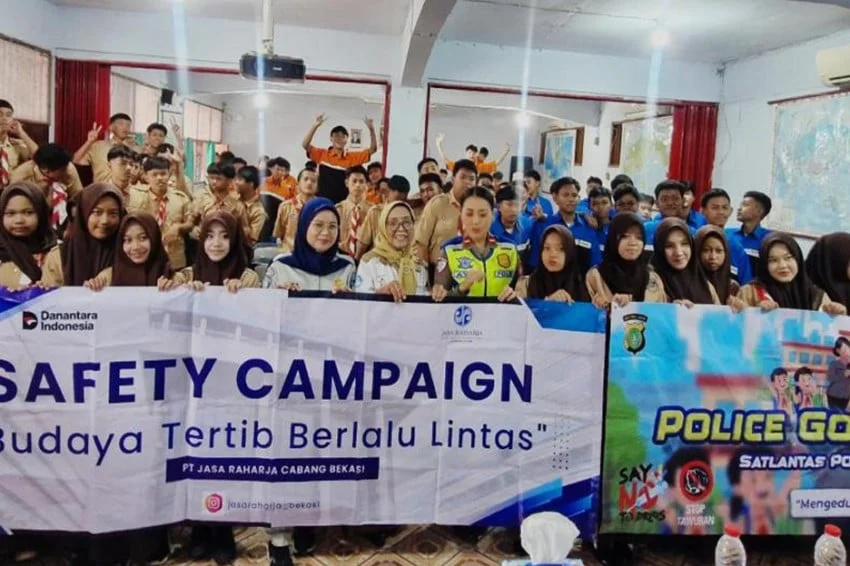
Jakarta, Indonesia – July 23, 2026 – In commemoration of the 42nd National Children’s Day, PT Jasa Raharja (Persero) is reinforcing its unwavering commitment to fostering a robust road safety culture from an early age. Recognizing the persistent challenge of accidents involving young adults and students, the state-owned insurance company is prioritizing preventive education as a critical investment in safeguarding the nation’s future generations. This initiative signifies a strategic shift for Jasa Raharja, expanding its mission beyond solely providing compensation for accidents to actively building societal awareness and preventing incidents before they occur.
A Proactive Stance on Youth Road Safety
The alarming statistics surrounding traffic accidents in Indonesia, particularly those impacting the productive age group and students, underscore the urgency of Jasa Raharja’s preventive approach. The company’s enhanced focus on safety programs within educational institutions is a cornerstone of its transformation. By integrating road safety education into the curriculum and student activities, Jasa Raharja aims to cultivate a generation that is inherently more aware of and responsible for their actions on the road. This proactive strategy is not merely about responding to tragedy but about building a foundational understanding of safety that will benefit individuals and society as a whole for years to come.
Jasa Raharja’s CEO Emphasizes Collective Responsibility
Muhammad Awaluddin, the CEO of Jasa Raharja, articulated the company’s vision during the National Children’s Day observance. "Every child has the right to grow and develop in a safe environment, including when they are active on the road," Awaluddin stated. "National Children’s Day serves as a poignant reminder that child safety is a collective responsibility. Therefore, we will continue to strengthen our educational efforts for students and university attendees as a long-term investment in creating a generation that is more conscious and caring towards road safety."
Awaluddin further elaborated on the nuanced approach required for effective safety education. "Safety education needs to be conducted in a tiered manner, following the child’s developmental stages," he explained. "Hence, Jasa Raharja strives to accompany learners from early childhood education through to higher education, with materials and approaches tailored to the characteristics of each educational level." This individualized approach ensures that the messages are relevant, engaging, and impactful for students at different stages of their lives.
A Comprehensive Educational Rollout: From Kindergarten to University
Jasa Raharja’s commitment to youth road safety is not just a declaration of intent but is demonstrably reflected in its program execution. Between January and July 2026, the company has actively implemented its "Safety Campaign" initiatives across a significant number of educational institutions.
Early Childhood Education: Laying the Foundation
In the crucial early stages of learning, Jasa Raharja has conducted Safety Campaigns at 8 kindergartens and primary schools. These programs have directly engaged 198 young learners, introducing them to fundamental road safety concepts in an age-appropriate and accessible manner. The focus at this level is on building basic awareness, such as understanding traffic signals, the importance of pedestrian crossings, and the dangers of playing near roads. The aim is to instill lifelong habits and a sense of caution from the very beginning of a child’s interaction with the public sphere.
Secondary and Higher Education: Addressing Higher Risk Groups
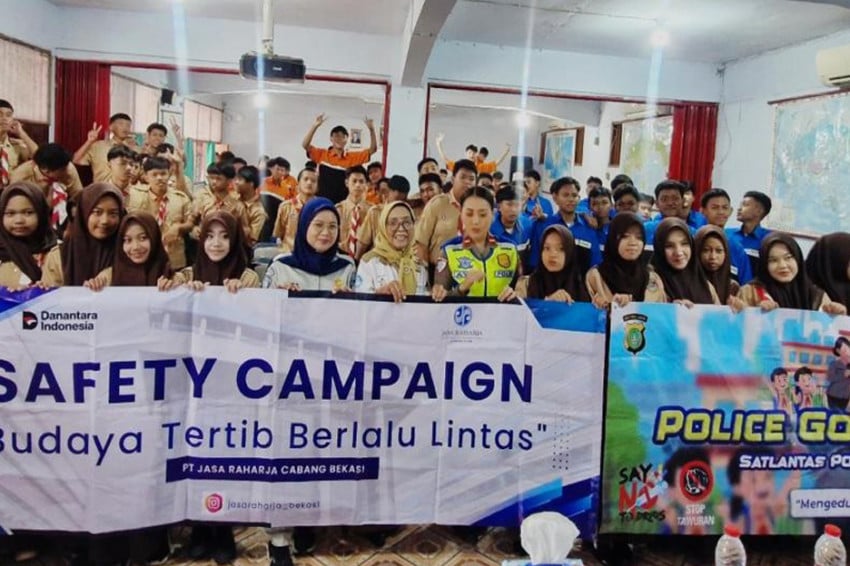
Recognizing that adolescents and young adults are at a higher risk due to their increasing independence and propensity to use personal vehicles, Jasa Raharja has intensified its efforts in secondary schools and universities. Throughout the same January-July 2026 period, the company has reached an impressive 13,095 students and university attendees through Safety Campaigns conducted at 139 institutions. This segment of the population represents a critical demographic as they are often beginning to operate motorcycles and cars, activities that carry a relatively high risk of traffic accidents. The educational content for these age groups is designed to be more comprehensive, covering topics such as responsible driving, the dangers of speeding and distracted driving, the importance of wearing helmets and seatbelts, and understanding traffic laws.
The Broader Context: National Children’s Day and Road Safety in Indonesia
The timing of Jasa Raharja’s intensified road safety efforts on National Children’s Day is particularly significant. Celebrated annually on July 23rd, National Children’s Day is a day dedicated to recognizing and upholding the rights of children in Indonesia. It serves as a national platform to reflect on the well-being of children and to reinforce efforts to protect them from harm, ensure their development, and provide them with opportunities to thrive.
Indonesia has long grappled with the issue of road safety. According to data from the Indonesian National Police (Polri), traffic accidents remain a leading cause of death and injury, with a disproportionate number of victims falling within the younger demographic. Factors contributing to this include a combination of inadequate infrastructure, a lack of consistent enforcement of traffic laws, a growing number of vehicles on the road, and, crucially, insufficient road safety awareness among various segments of the population, particularly young drivers.
The government, through various ministries and agencies, including the Ministry of Transportation and the National Road Safety Committee, has been implementing various strategies to combat this issue. These strategies often involve infrastructure improvements, stricter enforcement, and public awareness campaigns. However, the scale of the problem necessitates the involvement of all stakeholders, including state-owned enterprises like Jasa Raharja, which plays a unique role given its mandate in providing insurance for traffic accident victims.
Jasa Raharja’s Evolving Role: From Compensation to Prevention
Historically, Jasa Raharja’s primary function has been to provide financial compensation to victims of traffic accidents, a vital safety net for individuals and families affected by such incidents. However, the company has recognized that a long-term solution to the road safety crisis lies in prevention. This strategic shift towards a more proactive and educational role is a significant development.
By investing in road safety education for young people, Jasa Raharja is not only fulfilling its corporate social responsibility but also strategically reducing its own long-term liabilities. A society with a strong culture of road safety will inevitably experience fewer accidents, leading to a decrease in the number of claims the company needs to process. This symbiotic relationship highlights the economic and social benefits of preventive measures.
Analysis of Implications: A Ripple Effect for a Safer Indonesia
Jasa Raharja’s commitment to fostering road safety from an early age has profound implications for the future of Indonesia.
Reduced Accident Rates:
The most direct implication is the potential for a significant reduction in traffic accidents involving young people. By instilling safe practices and awareness early on, Jasa Raharja aims to create a generation of responsible road users who are less likely to engage in risky behaviors. This, in turn, will lead to fewer injuries, fatalities, and the associated emotional and economic burdens on families and the healthcare system.
Economic Benefits:
Fewer accidents translate into tangible economic benefits. Reduced healthcare costs, decreased property damage, and fewer disruptions to productivity due to injuries or fatalities will contribute to a stronger national economy. Furthermore, a safer transportation system can foster greater economic activity by increasing confidence in travel and logistics.
Societal Transformation:
The long-term impact of this initiative extends beyond accident statistics. It contributes to a broader societal transformation towards a culture of responsibility, awareness, and care. When young people are empowered with knowledge and a sense of duty regarding road safety, they become advocates for safe practices within their families and communities, creating a ripple effect of positive change.
Strengthening Jasa Raharja’s Mandate:
By embracing a preventive approach, Jasa Raharja is not only fulfilling its core mandate of protecting road users but is also positioning itself as a leader in promoting a safer society. This proactive stance enhances its reputation and demonstrates a commitment to the well-being of the nation beyond its financial obligations.
Looking Ahead: Sustaining the Momentum
The efforts undertaken by Jasa Raharja on National Children’s Day are a crucial step in a long-term journey. Sustaining this momentum will require:
- Continuous Program Development: Adapting educational content to evolving traffic environments and emerging risks.
- Strategic Partnerships: Collaborating with the Ministry of Education, local governments, schools, parents, and other relevant organizations to broaden the reach and impact of these programs.
- Data-Driven Evaluation: Regularly assessing the effectiveness of educational initiatives through data analysis to identify areas for improvement.
- Integration with Broader Safety Campaigns: Aligning road safety education with other national safety awareness campaigns to create a cohesive message.
As Indonesia continues to develop and its road networks expand, the importance of a deeply ingrained culture of road safety cannot be overstated. Jasa Raharja’s proactive investment in the nation’s youth on this significant day signals a promising future where safer roads and a more secure generation are not just aspirations, but achievable realities. The company’s commitment serves as a powerful reminder that the safety of the nation’s children is indeed a shared responsibility, and that investing in their education is investing in a brighter, safer tomorrow for all.