
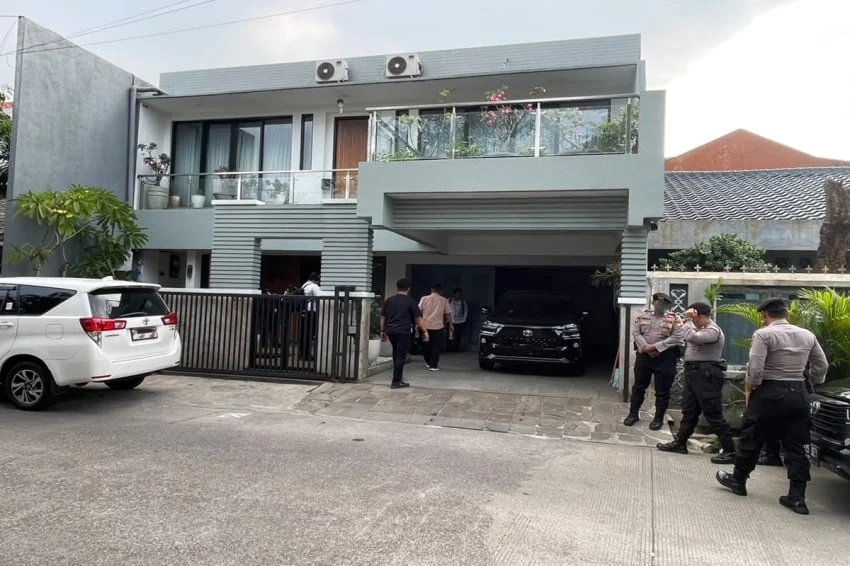
The Corruption Eradication Commission (KPK) intensified its ongoing investigation into the high-profile bribery scandal involving the non-active Regent of Bekasi, Ade Kuswara Kunang, by conducting a secondary search of a residence belonging to police officer Ipda Yayat Sudrajat (YYS) in Depok, West Java, on Monday, September 21, 2026. This tactical maneuver marks a significant escalation in the anti-graft agency’s efforts to dismantle the intricate web of illicit financial flows and asset misappropriation allegedly tied to the procurement projects within the Bekasi regency administration.
The Scope of the Investigation
The search operation in Depok is the latest in a series of investigative actions aimed at uncovering the extent of the "ijon" project bribery case—a practice where contractors pay bribes in advance to secure future government contracts. According to KPK spokesperson Budi Prasetyo, the investigation is not merely focused on the primary bribery charges against Ade Kuswara Kunang but has expanded to track the flow of funds and the subsequent acquisition of assets that are suspected to be linked to the illegal proceeds of these projects.
While the KPK has remained tight-lipped regarding the specific physical evidence seized during the Monday raid, the repeated targeting of Ipda Yayat Sudrajat’s properties underscores his pivotal role in the eyes of the investigators. This follow-up search suggests that initial evidence gathered from the previous raid on Yayat’s residence in Cibubur yielded promising leads that necessitated a more thorough investigation into his property portfolio in Depok.
Chronology of the Bekasi Bribery Scandal
The legal trajectory of this case began with reports of widespread irregularities in infrastructure project tenders in Bekasi. Ade Kuswara Kunang, the then-Regent, was named a suspect after investigators identified a pattern of systematic kickbacks facilitated by intermediaries, including officials and individuals close to the administration.
- Initial Discovery: Following whistleblower reports, the KPK launched a preliminary inquiry into infrastructure tenders, noting discrepancies in project valuations and contractor selection processes.
- The Arrest of Ade Kuswara Kunang: The Regent was detained after investigators uncovered evidence of direct involvement in influencing the tender outcomes for lucrative regional projects.
- Expansion of Inquiry: As the investigation progressed, the focus shifted toward the financial network surrounding the Regent, leading to the identification of Ipda Yayat Sudrajat as a person of interest.
- The First Raid: The KPK conducted an initial search of Yayat’s residence in Cibubur, seizing documents and digital records that hinted at a broader network of asset concealment.
- The September 21 Raid: The Depok search represents the second major operation at the officer’s property, signaling that the investigators are mapping a wider geography of assets.
Asset Tracing and the "Belasan" Property Network
Perhaps the most significant aspect of the current investigation is the scope of the assets under scrutiny. Spokesperson Budi Prasetyo revealed that the KPK suspects Ipda Yayat Sudrajat holds a substantial portfolio of luxury assets, estimated to number in the dozens. These assets are reportedly scattered across various strategic locations, including Jakarta, Bekasi, Cibubur, Depok, Bogor, Sukabumi, and Karawang.
This geographical dispersion of assets is a common hallmark of money laundering attempts designed to complicate the tracking process. By spreading investments across different jurisdictions, suspects often hope to evade detection by regional tax authorities and law enforcement. The KPK’s multi-pronged approach, which involves coordinating with regional land offices and financial intelligence units, aims to pierce this veil. The agency is currently analyzing transaction records to determine if these assets were acquired using legitimate income or if they are the direct proceeds of the bribery schemes associated with the Bekasi administration.
The Role of Law Enforcement Oversight
The involvement of a police officer, Ipda Yayat Sudrajat, in a corruption case involving a local head of government raises critical questions about the intersection of law enforcement and political patronage. When a member of the police force is implicated in the financial administration of a regency, it suggests a breakdown in institutional oversight.

Public observers and legal experts have emphasized that the KPK must conduct a transparent and rigorous investigation to maintain public trust. The involvement of the National Police’s Internal Affairs Division (Propam) alongside the KPK is considered standard procedure in such high-profile cases, ensuring that any internal disciplinary actions run parallel to the criminal prosecution.
Broader Implications for Public Governance
The bribery scandal involving Ade Kuswara Kunang serves as a sobering case study of the challenges facing regional autonomy in Indonesia. The "ijon" system effectively stifles competition, degrades the quality of public infrastructure, and drains regional budgets that should otherwise be allocated for social development and public welfare.
If the allegations are proven in court, the case will likely lead to a tightening of procurement regulations in Bekasi and potentially trigger a series of administrative reforms. The KPK’s pursuit of assets in multiple provinces sends a clear message: the anti-graft agency is no longer satisfied with merely prosecuting the "actors" at the center of the scandal; it is now aggressively targeting the financial foundations of the corruption network.
Official Stance and Legal Prospects
The KPK has indicated that the investigation is still in the active phase, with more witnesses to be summoned and further search operations possible. Legal counsel for the involved parties has yet to release a detailed statement regarding the recent search in Depok, though they are expected to contest the validity of the evidence if it does not directly link their clients to the criminal acts alleged by the prosecution.
For the KPK, the pressure is on to convert these investigative successes into a strong indictment. The complexity of tracking "belasan" (dozens) of assets requires a forensic accounting approach that can withstand intense scrutiny in the Corruption Court. The public, particularly the residents of Bekasi, continues to monitor these developments closely, awaiting justice for the misappropriation of their regional resources.
Conclusion: A Turning Point in the Investigation
The search of Ipda Yayat Sudrajat’s home in Depok is more than a mere investigative formality; it is a tactical expansion of a case that has shaken the foundations of Bekasi’s local governance. By systematically identifying and documenting the suspect’s extensive asset list, the KPK is building a comprehensive case that seeks to not only punish the perpetrators but also to recover the state’s lost assets.
As the investigation moves forward, the focus will likely remain on the verification of ownership titles and the paper trail of the funds used to purchase these properties. The collaboration between the KPK and other financial regulatory bodies will be crucial in determining whether the assets represent a centralized pool of corruption proceeds. The coming months will be decisive for both the prosecution and the accused, as the legal proceedings continue to unfold in the court of law.
This case serves as a stark reminder of the persistent nature of corruption in local government and the necessity for a persistent, well-resourced investigative body to hold those in power accountable. The KPK’s commitment to following the money, regardless of where it leads, remains the primary deterrent against the systemic abuse of office that continues to plague the region.
