
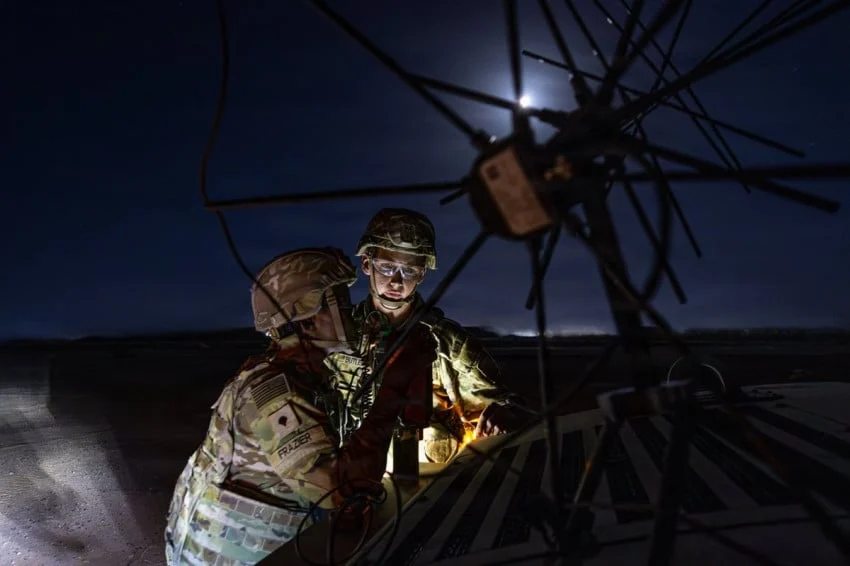
The official withdrawal of the United States-led coalition forces from Iraq marks a definitive conclusion to a twelve-year military presence that has fundamentally reshaped the geopolitical landscape of the Middle East. Prime Minister Ali al-Zaidi formally announced this transition during a high-profile ceremony in Baghdad, characterizing the moment as the dawn of a new era defined by national sovereignty, institutional resilience, and a recalibrated foreign policy. This departure represents not merely a logistical end to a military mission, but a profound transformation in the power dynamics of the Levant, raising critical questions regarding the vacuum left behind and the subsequent influence of regional power players.
A Chronology of the Coalition Mission
The mission, which formally ended this week, has its roots in the chaotic aftermath of the rise of non-state extremist actors in the mid-2010s. Following the territorial collapse of the Islamic State (ISIS) across large swathes of Iraq and Syria, the coalition transitioned from active combat operations to an advisory and training role.
- 2014: The U.S.-led coalition is formed in response to the rapid territorial gains made by ISIS, aiming to provide air support, intelligence, and military training to the Iraqi Security Forces (ISF).
- 2017: Iraqi officials declare a military victory over ISIS, though the coalition remains to ensure the long-term stability of the region and to prevent the resurgence of extremist cells.
- 2020: Tensions escalate following the targeted strike on Iranian General Qassem Soleimani in Baghdad, leading to a period of heightened friction between U.S. forces and various Iraqi militias.
- 2023-2024: Diplomatic negotiations accelerate regarding the transition of the mission. The Iraqi government, under pressure from both domestic political factions and international actors, pushes for a timeline that prioritizes "Iraqi ownership" of security.
- Late 2024: The formal withdrawal concludes, marking the transition of all bases and assets to the Iraqi government.
The Geopolitical Shift: The Iranian Factor
Central to the discussion of who stands to benefit from the U.S. departure is the role of Iran. For years, Iraq has served as a primary theater for the strategic rivalry between Washington and Tehran. With the removal of a direct Western military presence, analysts suggest that the influence of Iranian-aligned militias and political entities is likely to expand significantly.
Ahmed Younis, a prominent Baghdad-based political analyst, notes that the absence of Western military oversight creates a structural void. "These groups, which have long operated in the shadow of the coalition, are now poised to become the primary architects of domestic policy," Younis observed. The concern for regional observers is that the integration of these militias into the state apparatus—a process already underway—may now accelerate, potentially altering the neutrality of the Iraqi state.
The data supports the severity of this rivalry. Since early 2024, reports indicate that at least seven U.S. personnel have been killed in Iraq during skirmishes involving factions linked to Iranian interests. This statistic highlights the unsustainable nature of the mission’s final phase, as the coalition found itself increasingly targeted by asymmetric warfare, making the withdrawal a pragmatic necessity for the Pentagon.
Implications for Iraqi Sovereignty and Governance
Prime Minister al-Zaidi’s assertion that Iraq has entered a new phase of "sovereign strength" is met with cautious optimism by domestic stakeholders, but skepticism from international observers. Sovereignty, in the context of a post-coalition Iraq, is a multifaceted challenge. The Iraqi government must now demonstrate that it can secure its borders, manage internal dissent, and oversee its own military institutions without relying on foreign air support or logistical coordination.
The primary test will be the professionalization of the Iraqi Security Forces (ISF). Over the last decade, the coalition spent billions of dollars on training and equipment. The success of this investment will be judged by the ISF’s ability to maintain the stability of the state against internal threats, including the remnants of insurgent groups and the influence of non-state actors who possess their own paramilitary wings.
The Broader Middle Eastern Landscape
The withdrawal of U.S. forces from Iraq is part of a broader trend of Western military retrenchment in the Middle East. As Washington shifts its strategic focus toward competition with near-peer adversaries in the Indo-Pacific, the Middle East is being left to manage its own security architecture.
This creates a "security dilemma" for regional neighbors. Countries like Saudi Arabia, Jordan, and the Gulf states are closely monitoring whether the vacuum in Iraq will lead to an emboldened Tehran. If the Iranian influence becomes absolute in Baghdad, the regional balance of power will shift, likely triggering a new round of diplomatic maneuvering and potential military realignment among Arab nations seeking to counter Iranian influence.
Economic and Diplomatic Challenges
Beyond security, Iraq faces a daunting economic road ahead. The country remains heavily dependent on oil exports and requires significant foreign investment to rebuild infrastructure damaged by years of conflict. The departure of the U.S. coalition may influence the perception of "country risk" among international investors.
Diplomatically, the Iraqi government has expressed a desire to maintain "balanced partnerships" with all nations. However, in a polarized global climate, maintaining neutrality between Washington, Tehran, and other regional powers will be an immense diplomatic hurdle. Prime Minister al-Zaidi’s rhetoric suggests a pivot toward a more pragmatic, nationalist policy, but the feasibility of such a policy depends on the ability of the Iraqi state to resist the pull of regional hegemonies.
Official Reactions and Future Outlook
Reactions to the withdrawal have been varied. Supporters within the Iraqi parliament view the event as the final step in achieving true independence, arguing that foreign presence was a catalyst for domestic instability rather than a deterrent. Conversely, some Kurdish and Sunni factions have expressed concerns that the withdrawal might lead to marginalization, fearing that the central government in Baghdad will prioritize the interests of specific factions over a unified national identity.
From Washington, the official stance is one of "strategic transition." U.S. officials maintain that the partnership with Iraq is evolving into a long-term bilateral relationship focused on trade, energy, and diplomatic cooperation. While the military mission has ended, the U.S. State Department has emphasized that it remains committed to supporting Iraq’s economic development and democratic processes.
Analysis of the "Winner" Narrative
Identifying a clear "winner" in this transition is complex. If one measures success by the total reduction of American military casualties and the alleviation of domestic political pressure in the U.S., the withdrawal is a strategic success for Washington. If one measures success by the long-term stability and democratic trajectory of Iraq, the results remain to be seen.
The groups aligned with Iran clearly benefit in the short term, as the primary institutional check on their influence has been removed. However, they also face the burden of governance. As they integrate deeper into the state, they will be held accountable for the failures of the Iraqi economy, the provision of public services, and the management of domestic crises. Their "victory" in removing foreign forces may eventually lead to increased public scrutiny of their own roles in the state’s failures.
Conclusion
The withdrawal of U.S.-led forces from Iraq serves as a watershed moment in 21st-century Middle Eastern history. It signifies the end of a long period of Western military interventionism and the start of a volatile, home-grown experiment in state-building. As the dust settles in Baghdad, the focus shifts to whether the Iraqi state can consolidate its authority, manage its internal divisions, and navigate the complex regional pressures that have historically made Iraq a volatile heartland for geopolitical competition.
The next few years will be defined by whether this "new era" leads to a stabilized, sovereign Iraq, or if the country remains caught in the crossfire of regional rivalries. For now, the global community watches as Baghdad attempts to define its own future, free from the direct presence of the forces that occupied its territory for the better part of two decades. The success of this transition will rely heavily on the capacity of Iraqi leadership to prioritize national interests over sectarian and external allegiances, a task that has proven historically elusive but remains the only viable path to lasting peace.
