Jakarta, Indonesia – Isuzu Astra Motor Indonesia (IAMI) has issued a crucial reminder to owners of diesel-powered vehicles, emphasizing the need for increased attention to regular maintenance as the nation progressively adopts Biodiesel 50 (B50). This advisory stems from the fact that B50 is a relatively new fuel blend in widespread circulation, potentially necessitating adjustments in vehicle care to ensure optimal performance and longevity.
Anjar Rosjadi, Business Solution Director at IAMI, elaborated on the company’s proactive stance, revealing that Isuzu has conducted extensive trials on its product line utilizing B50. These rigorous testing protocols were designed to ascertain that Isuzu vehicles can continue to operate effectively as B50 becomes a more prevalent fuel source across the archipelago.
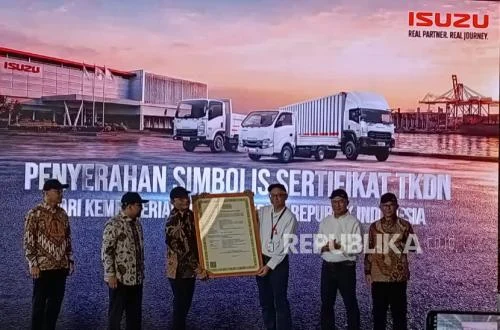
"As a form of our support and anticipation, we have certainly undertaken trials and testing concerning the vehicles we manufacture in their use of B50," Rosjadi stated during an event at the Isuzu Karawang factory in West Java on Monday, July 20th.
Understanding the Nuances of B50 Biodiesel
The core of IAMI’s recommendation lies in the distinct characteristics of B50. Rosjadi explained that B50, with its elevated plant-based oil content, exhibits properties that differ from conventional diesel fuel. This increased biological component, while environmentally beneficial, requires a more discerning approach from vehicle owners.
One of the key properties highlighted by Rosjadi is B50’s hygroscopic nature, meaning it has a greater tendency to absorb moisture from the atmosphere. Additionally, B50 possesses a higher cleansing capability. While a higher cleansing capability can be beneficial in removing deposits, it also means that any accumulated sediment or contaminants within the fuel system could be agitated and potentially dislodged. This could lead to increased strain on fuel filters and injectors if not managed properly.
"Regarding the characteristics of B50 fuel that I mentioned, perhaps some of you have read in the media, it is hygroscopic in nature and possesses a considerable cleansing capability. This necessitates anticipation and careful attention to the condition of regular maintenance," Rosjadi advised.
IAMI’s Preliminary Findings and Ongoing Monitoring
Despite the potential for adjustments, preliminary results from Isuzu’s testing indicate that the integration of B50 has not yet led to any significant detriments in the performance of their vehicles.
"The results from Isuzu’s tests so far show that the vehicles used are still operating normally, and in terms of performance, there have been no significant changes," Rosjadi confirmed.
He further elaborated that Isuzu remains committed to continuously monitoring the long-term effects of B50 usage. This ongoing observation is crucial for gathering comprehensive data and understanding any subtle or delayed impacts that may emerge over time.
Government Policy and Industry Support
Isuzu, as a major automotive player in Indonesia, fundamentally supports the government’s policy initiatives aimed at promoting the wider adoption of B50. This aligns with Indonesia’s broader commitment to increasing the utilization of renewable energy sources and reducing reliance on fossil fuels, contributing to national energy security and environmental sustainability.
The push for B50 is part of a national agenda to boost the domestic palm oil industry and to reduce the country’s oil import bill. Indonesia is one of the world’s largest producers of palm oil, and by mandating higher biodiesel blends, the government aims to create a stable domestic market for this commodity.
However, Rosjadi acknowledged that the transition to B50 is not without its challenges. These hurdles encompass various aspects, including the operational readiness of vehicles and the preparedness of the fuel distribution network across different regions of Indonesia.
"Indeed, there are several challenges, including the operational aspects of the vehicles themselves. Our hope is that the implementation of B50, in terms of distribution and preparation, can adequately serve all communities across Indonesia," he concluded.
Background and Chronology of Biodiesel Mandates in Indonesia
Indonesia’s journey towards higher biodiesel blends has been a gradual process, driven by both economic and environmental objectives. The mandate for biodiesel blending has been progressively increased over the years:
- Early Stages: Initial mandates focused on lower blends like B5 (5% biodiesel) and B10 (10% biodiesel), primarily to support the domestic palm oil industry and reduce diesel fuel imports.
- Introduction of B20: In 2016, the government officially mandated B20 for public and private sector vehicles. This was a significant step, requiring extensive testing and infrastructure adjustments.
- Transition to B30: By January 2020, Indonesia implemented the B30 mandate, requiring 30% palm oil-based biodiesel to be blended with petroleum diesel. This move aimed to further reduce oil imports and bolster the agricultural sector.
- The B50 Initiative: The current discussion around B50 represents the next logical step in this ongoing policy. While the exact timeline for a full nationwide B50 mandate may vary, IAMI’s advisory indicates that the fuel is already in circulation and being used by consumers, prompting the need for proactive maintenance guidance.
The push for higher biodiesel blends is part of a global trend to decarbonize the transportation sector and reduce greenhouse gas emissions. Biodiesel, derived from renewable sources, generally has a lower carbon footprint compared to petroleum diesel.
Supporting Data and Industry Perspectives
The Indonesian government, through the Ministry of Energy and Mineral Resources, has been a key proponent of increasing biodiesel mandates. Statistics from the Indonesian Palm Oil Association (GAPKI) often highlight the significant contribution of the palm oil sector to the national economy, including its role in providing raw materials for biofuel production.
According to data from the Indonesian Biofuel Producers Association (APROBI), the country has the capacity to produce substantial amounts of biodiesel. The successful implementation of higher blends hinges on the synergy between fuel producers, vehicle manufacturers, and the government’s regulatory framework.
While Isuzu is urging caution and diligent maintenance, other automotive manufacturers operating in Indonesia are also likely conducting their own assessments and providing guidance to their customers. The automotive industry’s collective response will be crucial in ensuring a smooth transition to B50.
Broader Implications and Future Outlook
The adoption of B50 has several potential implications:
- Environmental Benefits: Increased use of biodiesel can lead to a reduction in greenhouse gas emissions and improved air quality, contributing to national climate change mitigation goals.
- Economic Impact: It provides a consistent demand for palm oil, supporting farmers and the broader agricultural economy. It also helps to reduce Indonesia’s dependence on imported crude oil, positively impacting the trade balance.
- Vehicle Performance and Longevity: As IAMI emphasizes, the key to realizing these benefits without compromising vehicle reliability lies in proper maintenance. Owners of diesel vehicles will need to adapt to potential changes in fuel filter replacement intervals, fuel system cleaning schedules, and potentially monitor for any unusual signs of wear or performance degradation.
- Infrastructure and Distribution: Ensuring a robust and consistent supply chain for B50 across Indonesia’s vast geography will be a critical factor. This includes ensuring adequate storage facilities and transportation networks.
- Technological Advancements: The transition may also spur innovation in fuel injection systems and engine designs that are more optimized for higher biodiesel blends.
Isuzu’s proactive communication through its advisory serves as a valuable guide for diesel vehicle owners. By understanding the unique properties of B50 and adhering to recommended maintenance schedules, consumers can contribute to the successful implementation of this important renewable energy policy while ensuring the continued reliable operation of their vehicles. The company’s commitment to ongoing monitoring underscores the dynamic nature of fuel transitions and the importance of continuous adaptation and information sharing within the automotive ecosystem.