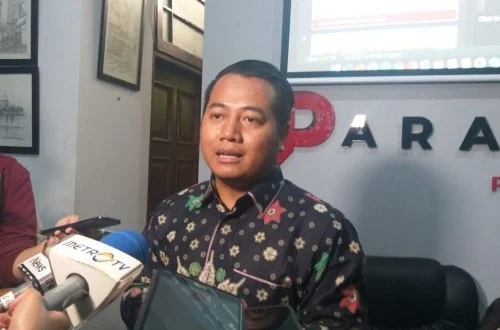
JAKARTA – Former Central Java Deputy Governor (2018-2023) Taj Yasin Maimoen has emerged as the most popular figure in the nascent race for the Central Java gubernatorial election, according to a recent survey conducted by Parameter Politik Indonesia (PPI). The findings, gathered between May 15 and 21, 2024, offer an early glimpse into the public’s awareness of potential candidates vying for the top leadership position in one of Indonesia’s most politically significant provinces. The survey results, released by Adi Prayitno, Executive Director of Parameter Politik Indonesia, highlight the initial landscape of public recognition ahead of the highly anticipated simultaneous regional elections (Pilkada Serentak) later this year.
Unpacking the Survey Results: A Closer Look at Popularity
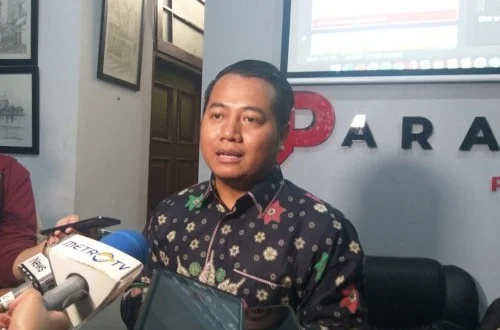
The methodology employed by Parameter Politik Indonesia involved direct, one-on-one questioning of respondents regarding their familiarity with a list of prominent figures frequently discussed as potential gubernatorial candidates. "We asked respondents individually, ‘Sir, Madam, are you familiar with the following figures?’ So, we asked them one by one, and approximately 52.1 percent of respondents stated they were familiar with the name Taj Yasin," Adi Prayitno explained during an online press release observed from Jakarta on Wednesday, May 29, 2024. This figure places Taj Yasin Maimoen comfortably ahead of other contenders in terms of sheer name recognition.
Following Taj Yasin, Hendrar Prihadi, the current Head of the Government’s Goods and Services Procurement Policy Agency (LKPP) and former Mayor of Semarang, secured the second position with a popularity rating of 40 percent. Bupati (Regent) of Kendal, Dico Ganinduto, rounded out the top three, achieving a 38.1 percent familiarity score among respondents. Prayitno underscored the rationale behind selecting these particular individuals for the survey. "These are the individuals whom we believe possess potential, are frequently discussed, or are consistently linked to the possibility of advancing in the Central Java Pilkada. Thus, when we tally them individually, this is the general portrait of their popularity," he stated.
The survey by Parameter Politik Indonesia typically employs a robust methodology to ensure statistical reliability. While specific details such as sample size, margin of error, and sampling method (e.g., multistage random sampling) were not explicitly detailed in the brief initial report, reputable survey institutions like PPI generally adhere to standard practices. A typical sample size for provincial-level surveys in Indonesia ranges from 800 to 1,200 respondents, distributed proportionally across regencies and cities, with a margin of error usually around ±2.5% to ±3.5% at a 95% confidence level. Such surveys aim to capture a representative slice of the electorate, reflecting diverse demographic backgrounds, including age, gender, education, and geographic location (urban/rural). The focus on "popularity" in this early stage is crucial, as it measures initial name recognition, a foundational element for any political campaign, rather than electability, which encompasses voter preference, likelihood to vote, and perceived capability.
The Contenders: Profiles of Potential Gubernatorial Candidates
The three leading figures in PPI’s popularity poll each bring distinct backgrounds and political capital to the Central Java gubernatorial race.
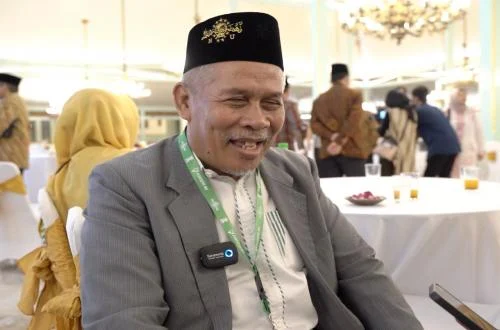
Taj Yasin Maimoen, often referred to as Gus Yasin, carries significant weight due to his lineage and previous political office. As the son of the revered late K.H. Maimoen Zubair, a highly influential cleric and former head of the Sarang Islamic boarding school (Ponpes Al-Anwar) in Rembang, Taj Yasin benefits from a strong connection to traditional Islamic communities, particularly those affiliated with Nahdlatul Ulama (NU), Indonesia’s largest Islamic organization. Central Java is known as an NU stronghold, and this demographic connection is a powerful asset. His tenure as Deputy Governor alongside Ganjar Pranowo from 2018 to 2023 provided him with direct experience in provincial governance, public exposure, and a platform to build a political network across the region. His current popularity likely stems from this combination of religious charisma, political experience, and broad public recognition cultivated during his time in office.
Hendrar Prihadi, a seasoned politician from the Indonesian Democratic Party of Struggle (PDI-P), brings a strong track record of executive leadership. His long stint as Mayor of Semarang, the provincial capital, saw him overseeing significant urban development and public service improvements, earning him considerable local popularity. His current role as the Head of LKPP, a national-level agency, has further elevated his profile, although perhaps less directly connected to local Central Java issues than his previous mayoral post. Prihadi’s PDI-P affiliation is particularly significant in Central Java, which is often considered a PDI-P "candidacy base" (kandang banteng). Any candidate endorsed by PDI-P automatically receives a substantial advantage given the party’s entrenched organizational structure and voter base in the province. His popularity reflects a strong performance in municipal governance and a robust party backing.
Dico Ganinduto, the young and dynamic Regent of Kendal, represents a newer generation of political leaders. His relatively quick ascent in regional politics, coupled with his background, positions him as a fresh face in the gubernatorial race. While his popularity score is slightly lower than the other two, his youth and the potential for a fresh approach could appeal to certain segments of the electorate, particularly younger voters. His current role as a regent gives him executive experience, albeit at a lower administrative level than a governor or mayor of a major city. His political affiliation, likely with Golkar Party, could also play a role in securing party endorsements and forming coalition strategies. His presence in the top three indicates a growing recognition beyond his immediate regency.
Central Java’s Political Crucible: A Strategic Battleground
Central Java is not merely another province in Indonesia; it is a critical political battleground with immense strategic importance in national politics. With a population exceeding 37 million people, it is one of the most populous provinces, second only to West Java. Its sheer size means a massive electoral prize for any political party or candidate. Historically, Central Java has been a stronghold for the PDI-P, consistently delivering significant votes for the party in both legislative and presidential elections. This makes the gubernatorial race particularly intense, as winning Central Java is often seen as a litmus test for national political strength and momentum.
The province’s demographics are diverse, encompassing a large rural population, a significant number of traditional Islamic communities (especially NU adherents), and a growing urban middle class. Its economy is a mix of agriculture, traditional industries, and emerging manufacturing sectors, presenting a complex set of policy challenges and voter interests. Past gubernatorial elections, notably those involving the popular former Governor Ganjar Pranowo, have demonstrated the province’s capacity for high voter turnout and robust political engagement. The outcomes of previous elections often highlight the importance of local narratives, candidate personality, and the strength of party machinery. For instance, Ganjar Pranowo’s consecutive victories in 2013 and 2018, both with PDI-P backing, solidified the party’s dominance and showcased the power of effective campaigning and strong public appeal.
The upcoming 2024 Pilkada is particularly significant as it follows closely on the heels of the 2024 presidential and legislative elections. The political dynamics, alliances, and voter sentiments from the national elections are expected to spill over and influence regional contests. Political parties will be keen to consolidate their gains or mitigate their losses from the presidential election by securing key gubernatorial seats like Central Java.
The Road to Pilkada 2024: A Chronology of the Electoral Process
The simultaneous regional elections (Pilkada Serentak) for governors, regents, and mayors across Indonesia are a complex logistical undertaking governed by specific timelines set by the General Election Commission (KPU). While the survey data was collected in mid-May 2024, the official stages of the Pilkada are rapidly approaching.
The KPU’s calendar for the 2024 Pilkada generally outlines the following key phases:
- May – August 2024: Preparatory stages, including voter data updates, candidate socialization, and internal party selection processes.
- August 27-29, 2024: Official registration period for gubernatorial and deputy gubernatorial candidates at the KPU offices. This is a critical juncture where parties must finalize their endorsements and formalize coalitions.
- September 2024: Verification of candidate documents and health checks.
- September 22, 2024: Announcement of final candidate pairs.
- September 25 – November 23, 2024: Official campaign period, where candidates engage in public rallies, debates, and various forms of voter outreach.
- November 24-26, 2024: "Quiet period" (masa tenang), during which no campaigning is allowed.
- November 27, 2024: Election Day, when voters cast their ballots.
- December 2024 – January 2025: Vote recapitulation and dispute resolution processes.
The Parameter Politik Indonesia survey, conducted in May, falls within the crucial preparatory stage. At this point, parties are actively assessing potential candidates, gauging public sentiment, and deliberating on coalition strategies. Early popularity polls like this serve as vital intelligence for political parties, informing their internal deliberations and external negotiations. A candidate’s strong showing in an early survey can bolster their chances of securing party endorsements and attracting coalition partners, while a weak showing might prompt parties to explore other options or invest heavily in candidate branding.
Beyond Popularity: The Quest for Electability and Party Endorsements
Despite the encouraging popularity figures for Taj Yasin Maimoen, Adi Prayitno made a pertinent observation: "Walaupun demikian, ia mengatakan bahwa tokoh-tokoh yang dianggap populer untuk maju dalam Pilkada Jateng itu belum ada yang bisa disebut mentereng." (Nevertheless, he said that none of the figures considered popular to run in the Central Java Pilkada could yet be described as outstanding or shining.) This statement is critical, as it highlights the distinction between mere name recognition (popularity) and overall strength as a candidate (electability).
A candidate’s popularity indicates how many people know their name, but electability delves deeper, assessing factors such as voter preference, trustworthiness, perceived competence, alignment with voter values, and the likelihood of voters actually casting a ballot for them. A candidate might be widely known but not necessarily widely favored, or they might be known but evoke strong negative reactions from certain segments of the population. Prayitno’s assessment suggests that while these three figures lead in name recognition, none have yet managed to capture the public’s imagination or consolidate support to an extent that makes them an undeniable frontrunner.
This "not yet shining" status implies a highly fluid and competitive race. It suggests that:
- No Dominant Figure: No single candidate has managed to establish an unassailable lead or generate overwhelming enthusiasm. This leaves room for other potential candidates to emerge or for the current leaders to significantly improve their standing.
- Campaign Importance: The upcoming campaign period will be vital. Candidates will need to move beyond mere recognition to articulate clear visions, present compelling platforms, and connect with voters on a deeper level to convert popularity into electability.
- Party’s Role is Paramount: With no "shining" candidate, political parties will play an even more crucial role in shaping the narrative, providing strong organizational support, and leveraging their party machinery to boost their chosen candidate. Endorsements from major parties, particularly PDI-P, PKB, Gerindra, and Golkar, will be kingmakers.
- Potential for Dark Horses: The lack of a truly dominant figure could pave the way for a less-known candidate to gain traction rapidly through an effective campaign, strong party backing, or a strategic coalition.
Strategic Implications for Political Parties
The early popularity poll has significant strategic implications for political parties eyeing the Central Java governorship. Parties will be analyzing these results intensely as they navigate the complex process of candidate selection and coalition formation.
For the PDI-P, which has historically dominated Central Java, the situation presents both opportunities and challenges. Hendrar Prihadi’s strong showing is a positive sign for the party, but the fact that a non-PDI-P affiliated candidate (Taj Yasin, likely to be supported by PKB or another Islamic party coalition) leads in popularity suggests the PDI-P cannot afford complacency. The party will need to decide whether to nominate Prihadi, or perhaps explore other internal cadres, and crucially, how to build a winning coalition. Given their history in Central Java, the PDI-P will likely seek to lead any coalition and aim for a decisive victory.
Parties like PKB (National Awakening Party), which has strong ties to Nahdlatul Ulama, will undoubtedly view Taj Yasin Maimoen’s lead as a major asset. His lineage and deep connections to NU provide a natural base of support that PKB can mobilize. The party will likely push hard for his nomination and seek to form a coalition with other parties that can complement this religious-base strength with broader nationalist or secular appeal.
Golkar Party, likely supporting Dico Ganinduto, will see his position in the top three as an encouraging sign for their strategy of backing younger, dynamic leaders. For Golkar, building a strong coalition with other parties will be essential to amplify Ganinduto’s reach beyond his Kendal regency base.
Other major parties such as Gerindra, NasDem, PKS, and Demokrat will also be evaluating these results. They will be looking for candidates who can offer a credible challenge, either by backing one of the current popular figures or by introducing their own strong contender. Coalition building will be paramount, as few, if any, parties are likely to meet the minimum seat threshold in the provincial legislature to nominate a candidate independently. The 20% legislative seat threshold (or 25% of valid votes in the last legislative election) mandates inter-party cooperation, making negotiations and horse-trading a crucial part of the process.
The Public’s Role and Future Outlook
For the Central Java electorate, these early polls signify the beginning of what promises to be an engaging and dynamic election cycle. The "not yet shining" assessment from Parameter Politik Indonesia suggests that voters have not yet coalesced around a clear favorite, leaving ample room for candidates to differentiate themselves. Over the coming months, voters will be looking for candidates who can address key issues facing the province, such as economic development, job creation, infrastructure improvement, environmental sustainability, and effective public services.
The election narrative will likely evolve as candidates officially register, present their manifestos, and engage in public debates. Social media will undoubtedly play a significant role in shaping public opinion, alongside traditional media and grassroots campaigning. The ability of candidates to effectively communicate their vision, build trust, and connect with the diverse aspirations of Central Java’s population will ultimately determine their success.
As the Pilkada Serentak 2024 draws closer, all eyes will be on Central Java. The outcome of this gubernatorial race will not only determine the future leadership of a vital province but also provide crucial insights into the evolving political landscape of Indonesia post-2024 national elections. The journey from initial popularity to ultimate electability is long and arduous, and the Central Java race is just beginning to unfold.