

Kupang, East Nusa Tenggara – A brutal communal clash in East Adonara, East Flores, East Nusa Tenggara (NTT), on Saturday, July 18th, resulted in the tragic deaths of three individuals. All victims of the bloody confrontation have now been successfully evacuated, including one body that had remained on the roadside due to initial obstruction by a large crowd. The deceased have been transported to Pratama Adonara Hospital for identification and post-mortem examinations, a critical step enabled by intensive negotiations between local authorities and community leaders. The incident has prompted a significant deployment of security forces to the volatile region, as authorities intensify efforts to uncover the underlying causes of the conflict and restore lasting peace.
The head of the East Flores Police, AKBP Adhitya Octorio Putra, confirmed the successful evacuation and the subsequent transfer of the bodies to the hospital’s morgue. "The deceased have been successfully transported to Pratama Hospital," Adhitya told CNNIndonesia.com on Saturday afternoon. This development followed protracted negotiations involving the Regional Leadership Communication Forum (Forkopimda) and influential local community figures, who worked to de-escalate tensions and secure access for medical personnel. The last body to be evacuated was identified as a male, approximately 60 years old, from Narasaosina Village. He is believed to have died from hack wounds sustained during the violent confrontation that erupted between two youth groups on Saturday morning.
The clash, which pitted youth from Lewonara Hamlet in Narasaosina Village against those from Bele Hamlet in Waeburak Village, East Adonara District, claimed three lives in total. Two of the victims were residents of Narasaosina Village, while the third hailed from Waeburak Village. While two of the deceased were swiftly reunited with their respective families, the third victim’s body remained on the main road in Waiburak, specifically in front of the Waiburak Mosque, for several hours. This grim scene persisted until approximately 2:00 PM Central Indonesia Time (WITA), despite the presence of medical teams and an ambulance, due to the impassable crowd. It was only after extensive dialogue and persuasion that the grieving crowd permitted the body to be moved to the hospital, allowing for the necessary legal and medical procedures to commence.
Intensified Security Presence and Ongoing Investigation
Following the immediate aftermath of the clash, the situation at the conflict site has gradually stabilized, with most of the agitated masses returning to their homes. However, the presence of security forces remains robust and highly visible. Dozens of heavily armed personnel from the Indonesian National Armed Forces (TNI) and the National Police (Polri) are actively patrolling and maintaining guard at the scene to prevent any resurgence of violence and to ensure public order.
In response to the escalating situation, the Commander of the NTT Regional Police Mobile Brigade (Brimob), Kombes Afrizal Asri, announced the immediate deployment of additional forces. A contingent of 32 Brimob personnel from Maumere was dispatched to Adonara on Saturday afternoon, bolstering the existing security presence and enhancing the capacity for rapid response. This swift reinforcement underscores the seriousness with which authorities are treating the incident and their commitment to restoring peace and preventing further casualties. As of now, the precise cause and triggers of the deadly clash are still under thorough investigation by law enforcement agencies, who are working diligently to gather evidence, interview witnesses, and ascertain the full sequence of events that led to the tragic loss of life.
A History of Tensions and the Fragile Peace in Adonara
Adonara Island, part of the larger East Flores Regency, is an area historically prone to communal conflicts, often rooted in complex land disputes, traditional rivalries, and socio-economic factors. The island, with its diverse ethnic groups and strong adherence to customary law (adat), sometimes sees minor disagreements escalate rapidly into widespread violence. While specific details of the immediate trigger for this particular clash remain under investigation, past incidents in Adonara and other parts of NTT have frequently stemmed from contested land boundaries, disputes over natural resources, or even long-standing grievances between families or clans that simmer beneath the surface until a spark ignites open confrontation.
The geography of Adonara, characterized by its rural villages and close-knit communities, means that local disputes can quickly draw in large numbers of residents. Traditional rivalries, often passed down through generations, contribute to a challenging environment for sustained peace. Efforts by local governments and traditional leaders to mediate such disputes have been ongoing, but the effectiveness of these mechanisms can vary, especially when emotions run high and underlying issues are deeply entrenched. The economic conditions in many parts of East Flores, including Adonara, where livelihoods often depend on agriculture and fishing, can also exacerbate tensions, as competition for finite resources intensifies.
Chronology of a Tragic Day
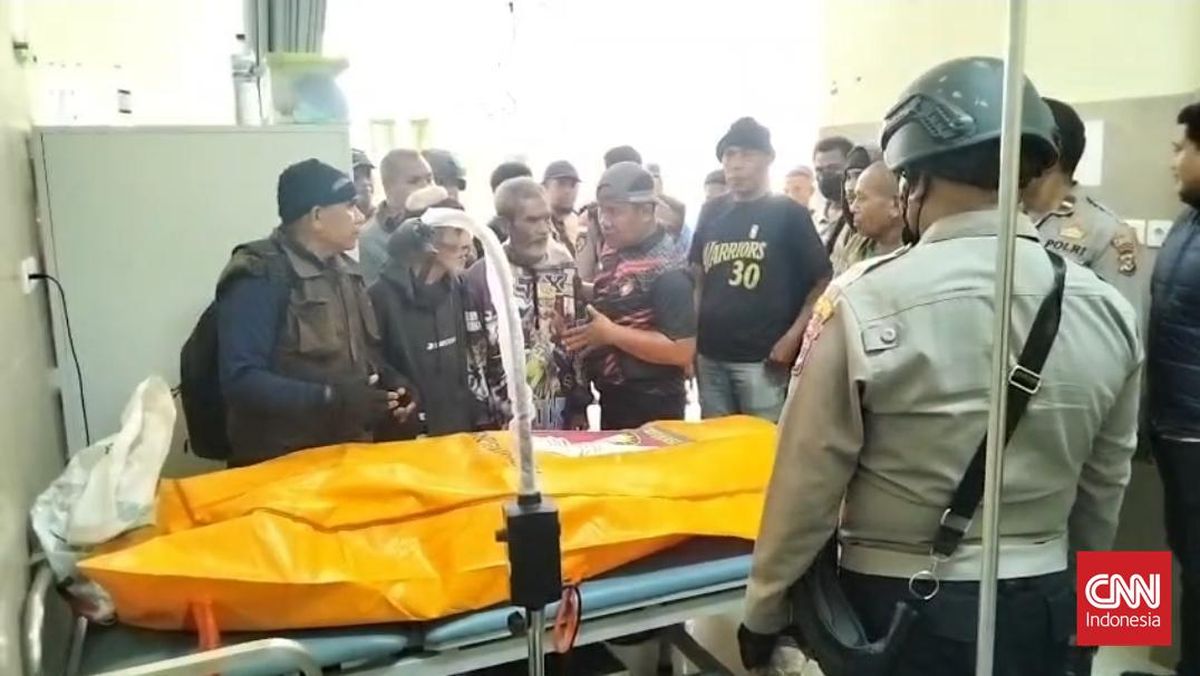
The events of Saturday, July 18th, unfolded with alarming speed and tragic consequences:
- Early Morning (Saturday, July 18th): A violent confrontation erupts between two youth groups—one from Lewonara Hamlet, Narasaosina Village, and the other from Bele Hamlet, Waeburak Village, East Adonara District. The nature of the initial spark remains under investigation, but the clash quickly escalates into a brutal exchange, reportedly involving sharp weapons.
- Morning Hours: The clash results in multiple casualties. Three individuals sustain fatal injuries.
- Late Morning/Early Afternoon: Medical personnel and an ambulance arrive at the scene to evacuate the victims. However, a large, agitated crowd obstructs access, particularly preventing the removal of one body that lay on the main road in Waiburak, in front of the local mosque.
- Around 2:00 PM WITA: Despite the efforts of medical teams, the body remains on the roadside due to the mass obstruction.
- Afternoon: The Regional Leadership Communication Forum (Forkopimda), comprising representatives from local government, police, and military, along with influential community leaders, initiates intensive negotiations with the agitated crowd. These discussions aim to de-escalate the situation and secure permission for the evacuation of the remaining victim.
- Late Afternoon (Saturday, July 18th): Following successful negotiations, the crowd finally allows medical teams to access and evacuate the last body. The deceased, identified as a 60-year-old male from Narasaosina Village, is transported to Pratama Adonara Hospital.
- Evening (Saturday, July 18th): Kapolres Flores Timur AKBP Adhitya Octorio Putra confirms the successful evacuation of all victims. The bodies are transferred to the hospital morgue for identification and post-mortem examinations (visum et repertum).
- Simultaneous Security Deployment: Dozens of TNI and Polri personnel, already present, intensify their patrols. The Commander of NTT Regional Police Brimob, Kombes Afrizal Asri, confirms the dispatch of 32 additional Brimob personnel from Maumere to bolster security on Adonara Island.
- Ongoing: The situation at the immediate conflict zone begins to stabilize, with crowds dispersing. However, security forces maintain a strong presence. Investigations into the root causes and perpetrators of the clash commence and continue.
Official Reactions and Calls for Peace
The deadly clash has drawn widespread concern from various stakeholders, prompting calls for calm, justice, and long-term peacebuilding efforts. While no specific detailed statements beyond the police chief’s confirmation were immediately available in the initial report, it is highly probable that local government officials, including the Regent of East Flores, would have issued strong condemnations of the violence. They would likely emphasize the importance of upholding the law, urge all parties to refrain from further acts of aggression, and appeal for collective efforts to maintain social harmony.
Religious leaders from various faiths within Adonara and East Flores are expected to play a crucial role in advocating for peace and reconciliation. Their sermons and community outreach would likely focus on promoting forgiveness, understanding, and the peaceful resolution of disputes, drawing upon the deeply held spiritual values of the local population. Community leaders, particularly those with influence among the warring factions, would be instrumental in mediating between groups, diffusing tensions, and ensuring cooperation with law enforcement.
Human rights organizations, both local and national, would likely monitor the situation closely, advocating for a thorough, impartial investigation into the deaths and urging authorities to respect human rights during security operations. They would also likely call for comprehensive measures to address the underlying causes of recurrent conflicts in the region, rather than merely focusing on symptomatic responses.
Implications and the Path Forward
The Adonara clash carries significant implications across social, security, legal, and economic dimensions. Socially, such incidents erode trust between communities, deepen existing divisions, and can lead to long-term trauma for those affected. The displacement of residents, even if temporary, and the fear of further violence can destabilize community life. The challenge for local leaders will be to initiate genuine reconciliation processes that address grievances and rebuild inter-communal relationships.
From a security perspective, the sustained presence of TNI and Polri is crucial in the immediate term to prevent further outbreaks of violence. However, a long-term strategy must involve more than just force. It requires intelligence gathering to identify potential flashpoints, community policing initiatives to build trust between residents and security forces, and conflict prevention programs that engage youth and local leaders. The incident highlights the need for effective early warning systems and rapid response mechanisms for communal violence.
Legally, the investigation into the deaths and injuries must be thorough and transparent. Identifying and prosecuting those responsible for instigating and participating in the violence is essential to upholding the rule of law and deterring future acts of aggression. The process of identification (visum et repertum) at Pratama Adonara Hospital is a critical initial step in building a robust legal case.
Economically, prolonged instability can disrupt daily life, affecting local trade, agriculture, and other livelihoods. Fear and insecurity can deter investment and hinder development efforts, further exacerbating the socio-economic conditions that often contribute to unrest.
Ultimately, the Adonara clash serves as a stark reminder of the fragile peace that can exist in regions with historical tensions. The path forward requires a multi-faceted approach: robust law enforcement to ensure justice, sustained security presence to maintain order, active participation of traditional and religious leaders in peacebuilding, and long-term government programs aimed at addressing the socio-economic root causes of conflict. The commitment to a thorough investigation and a collaborative effort towards reconciliation will be paramount in healing the wounds inflicted by this tragic event and fostering a more stable future for the communities of Adonara.
