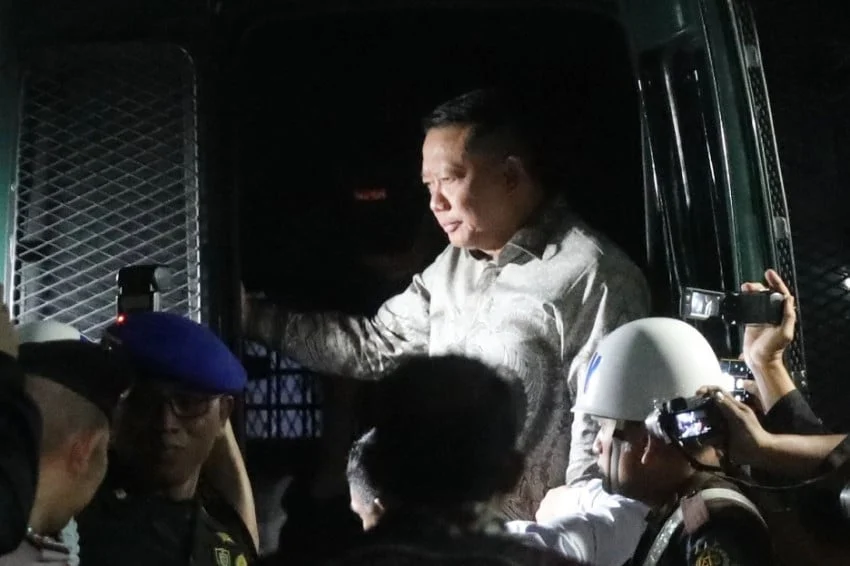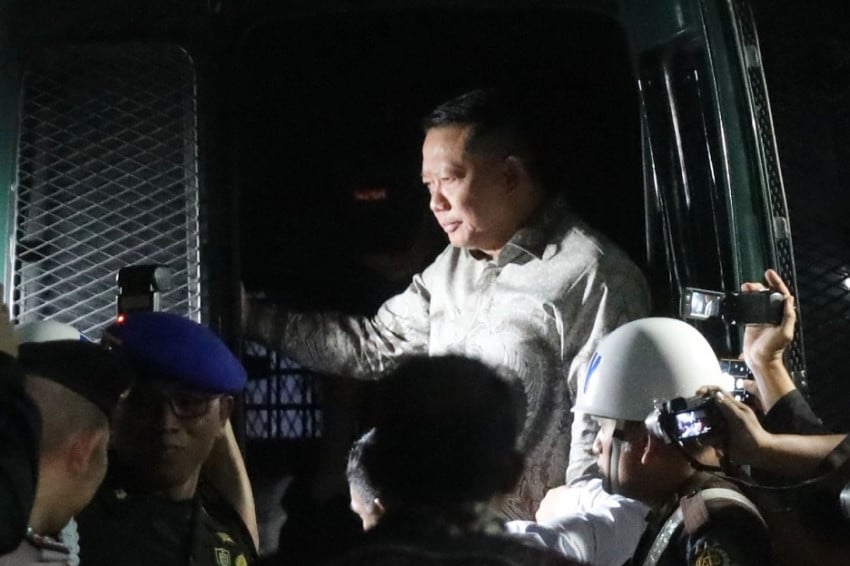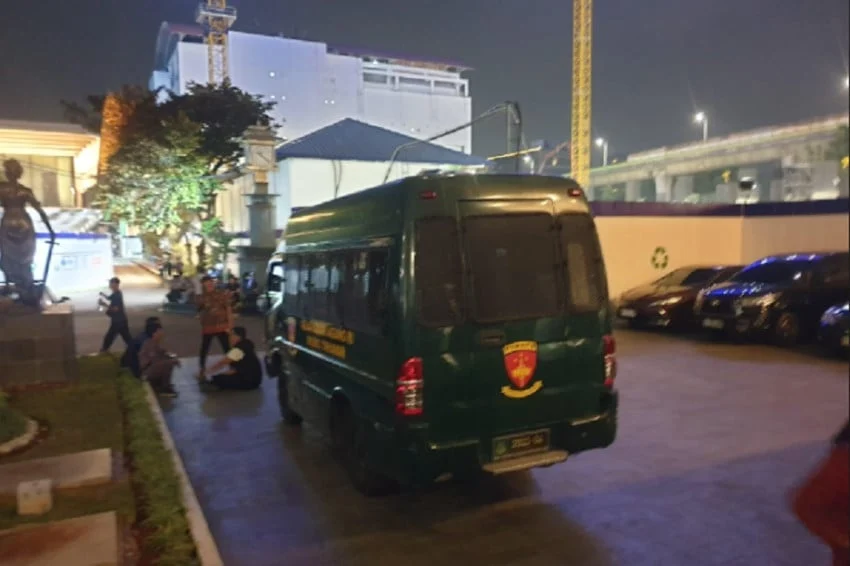
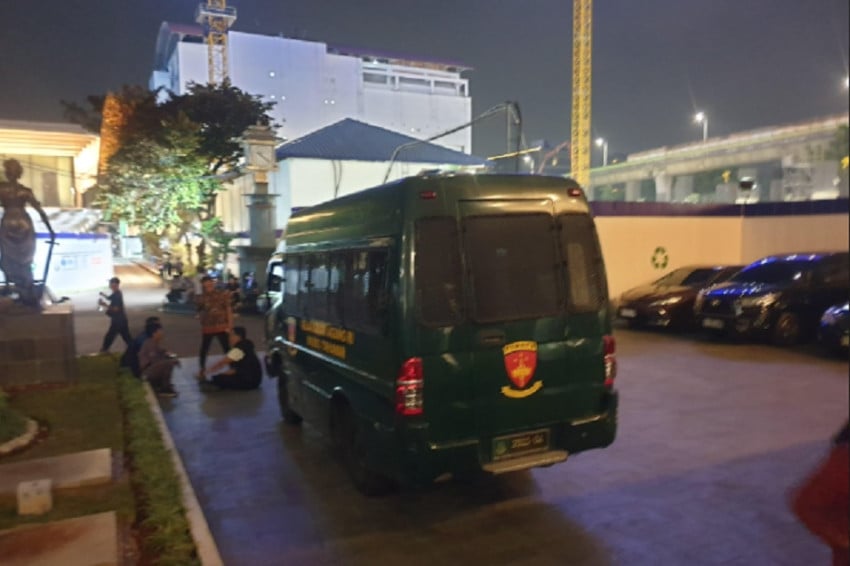
JAKARTA – As of Friday night, July 24, 2026, investigators at the Attorney General’s Office (Kejagung) have not concluded their examination of former Junior Attorney General for Specific Crimes, Febrie Adriansyah. The prolonged nature of the questioning has drawn significant attention, amplified by the conspicuous presence of two detention vehicles positioned outside the Kejagung building. The vehicles, one near the main lobby on the upper level and another at the lower lobby, suggest the potential for an imminent transfer or detention, fueling speculation among the assembled media contingent.
The scene outside the Attorney General’s Office has been one of heightened anticipation and uncertainty throughout Friday evening and into the night. Journalists have maintained a vigilant watch, stationed both on the upper and lower levels of the building, in hopes of obtaining any official statement or insight into the ongoing proceedings. However, as of the latest reports, no official comments have been released by the Kejagung regarding the substance or expected duration of Mr. Adriansyah’s interrogation.
This development follows a report from earlier in the day indicating that Mr. Adriansyah had indeed appeared for his examination. His arrival, however, was reportedly managed to avoid immediate contact with the media, underscoring a deliberate effort to control the narrative and manage public perception surrounding this high-profile case. The precise reasons for his examination remain a subject of intense public interest and media scrutiny.
Background and Context of the Examination
The examination of Febrie Adriansyah, a figure who held a significant position within Indonesia’s legal enforcement apparatus, is understood to be connected to ongoing investigations into alleged malfeasance or impropriety within the scope of his former duties. While specific details of the allegations have not been officially disclosed, the presence of detention vehicles strongly implies that the examination has reached a critical juncture, potentially leading to formal charges or further legal action.
The role of the Junior Attorney General for Specific Crimes (Jampidsus) is crucial in prosecuting corruption, terrorism, and other serious offenses. Individuals holding this position are expected to uphold the highest standards of integrity and impartiality. Any scrutiny of a former Jampidsus inevitably raises concerns about the integrity of the legal system and the effective administration of justice.
The Attorney General’s Office, as the primary state institution responsible for law enforcement and prosecution, is under considerable pressure to conduct its investigations transparently and thoroughly. The public’s expectation is that all individuals, regardless of their former stature, will be held accountable for any wrongdoing.
Timeline of Events (as reported)
- Friday, July 24, 2026 (Morning/Daytime): Reports emerge that Febrie Adriansyah is scheduled for examination by Kejagung investigators. Efforts are made to ensure his arrival is not captured by the media.
- Friday, July 24, 2026 (Evening): Febrie Adriansyah is confirmed to be undergoing examination at the Kejagung building.
- Friday, July 24, 2026 (Late Evening/Night): Two detention vehicles are observed and reported to be on standby outside the Kejagung premises. The examination is reported to be ongoing and not yet concluded.
- Friday, July 24, 2026 (Ongoing): Media personnel continue to await official statements or further developments outside the Kejagung.
The protracted nature of the examination, coupled with the deployment of detention vehicles, suggests a complex and potentially sensitive investigation. This scenario often arises when investigators are gathering extensive evidence, corroborating testimonies, or confronting a subject with significant findings.
Potential Implications and Broader Impact
The examination and potential detention of a former high-ranking official like Febrie Adriansyah carry significant weight for several reasons:
- Public Trust in Law Enforcement: Such high-profile cases can either bolster or erode public confidence in the judicial system. A transparent and fair process is paramount to maintaining public trust. Conversely, any perception of political interference or undue influence could be damaging.
- Anti-Corruption Efforts: Indonesia has been actively pursuing anti-corruption measures. The outcome of this examination could signal the seriousness with which the government is committed to tackling corruption, even at the highest levels of its own institutions.
- Legal Precedents: Depending on the nature of the allegations and the subsequent legal proceedings, this case could set important precedents for how former officials are investigated and prosecuted.
- Institutional Integrity: The Kejagung itself is under scrutiny. Its ability to conduct a thorough and impartial investigation will reflect on its institutional integrity and its commitment to upholding the rule of law.
The specific context of the allegations against Mr. Adriansyah, though not yet public, is crucial. If the examination relates to his oversight of sensitive cases, it could have ripple effects on ongoing investigations or even past judgments.
Supporting Data and Legal Framework
While specific details of the allegations remain undisclosed, the legal framework within which such examinations occur in Indonesia is robust. The Attorney General’s Office has broad powers to investigate, interrogate, and, if necessary, detain individuals suspected of committing criminal offenses. These powers are typically exercised under laws such as the Criminal Procedure Code (Kitab Undang-Undang Hukum Acara Pidana – KUHAP) and specific anti-corruption legislation.
The presence of detention vehicles, such as those observed, is a standard procedure when an individual is suspected of serious offenses and there is a risk of flight or further obstruction of justice. The decision to detain a suspect is usually based on evidence gathered during the preliminary investigation phase, and it requires the approval of relevant judicial authorities.
Indonesia’s anti-corruption drive has seen significant progress in recent years, with numerous high-profile convictions. Data from the Corruption Eradication Commission (Komisi Pemberantasan Korupsi – KPK) and the Attorney General’s Office consistently highlight the ongoing challenges in combating corruption across various sectors, including government and law enforcement. The public remains keenly interested in seeing accountability applied universally.
Official Responses and Media Wait
The silence from the Attorney General’s Office is a common tactic during sensitive investigations, aimed at preventing the premature disclosure of information that could compromise the investigation or prejudice the rights of the individual being examined. However, this silence also leaves room for speculation and can create a vacuum of information that the media strives to fill.
The media’s persistent presence outside the Kejagung underscores the public’s demand for information. Their role is to report on significant developments and hold institutions accountable for their actions. The waiting game outside the building is a testament to the public interest in the integrity of the justice system and the accountability of its former high-ranking officials.
As the night progresses, the situation remains fluid. The outcome of Febrie Adriansyah’s examination is keenly awaited, with the presence of the detention vehicles serving as a stark indicator of the seriousness with which this inquiry is being conducted. The coming hours will likely reveal more about the next steps in this unfolding legal drama.