
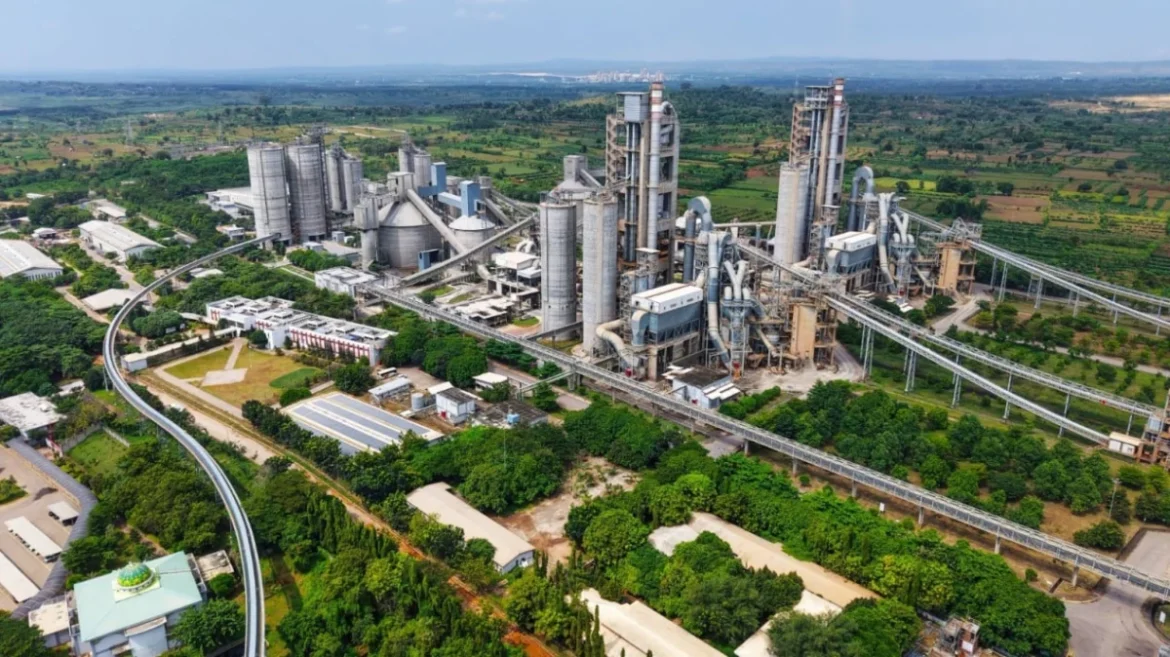
PT Semen Indonesia (Persero) Tbk (SIG) has once again solidified its reputation as a leader in sustainable industrial practices, securing the prestigious Katadata ESG Insight (KESGI) Award 2026 in the Governance category for the Construction Materials sector. The accolade, presented during the Katadata Sustainability Action for the Future Economy (SAFE) 2026 event held at the Sudirman Hall in Jakarta on September 17, 2026, serves as a formal recognition of the company’s superior performance and strategic initiatives in integrating Environmental, Social, and Governance (ESG) principles into its core business operations.
The Significance of the KESGI Award 2026
The KESGI Award is organized annually by Katadata Green to identify and celebrate companies in Indonesia that demonstrate exceptional commitment to sustainability. The evaluation process is rigorous, utilizing a sophisticated ESG scoring methodology. This methodology assesses public disclosures, internal documentation, and the actual implementation of sustainability practices across the three pillars of ESG. By winning this award, SIG has been validated as a top-tier performer in the construction materials industry, particularly in how it manages corporate transparency, accountability, and ethical governance structures.
The award was officially presented by the Co-founder and Chief Content Officer of Katadata, Heri Susanto, to the ESG Project Management Senior Manager of SIG, Arif Kurniawan. The ceremony highlighted the critical role that large-scale industrial players like SIG must play in driving Indonesia’s transition toward a more sustainable and climate-resilient economy.
Governance as a Pillar for Resilience
The core of SIG’s success lies in its steadfast commitment to Good Corporate Governance (GCG). According to Indrieffouny Indra, the President Director of SIG, the principles of GCG are not merely regulatory checkboxes for the company; they are the fundamental mechanisms that ensure the firm remains resilient amidst global economic volatility and localized industrial challenges.
"SIG applies GCG practices at every stage of our operational activities, which allows us to be more resilient in facing industry challenges and dynamic economic situations," stated Indrieffouny Indra. He further emphasized that the company’s ability to maintain profitability and achieve growth, even in a domestic market characterized by severe overcapacity, is a direct result of these robust governance practices.
In the Indonesian cement industry, overcapacity remains a structural challenge. The market is currently grappling with high competition and thin profit margins. By adhering to the five pillars of GCG—transparency, accountability, responsibility, independence, and fairness—SIG has managed to optimize its operational efficiency, streamline supply chains, and maintain stakeholder trust, which are critical factors for long-term survival in a saturated market.
Chronology and Institutional Structure
SIG’s focus on sustainability is not a recent development. The company has been methodically building its ESG infrastructure for years. A pivotal moment in this timeline was the establishment of the Sustainability Committee in 2021. This committee was tasked with the comprehensive oversight of the company’s ESG roadmap, ensuring that all departments align their operational goals with the broader SIG Sustainability Roadmap 2030.
The Sustainability Committee acts as an internal watchdog and strategic advisor, monitoring the implementation of sustainability agendas and tracking key performance indicators (KPIs) related to carbon reduction, resource efficiency, and social responsibility. By institutionalizing this function, SIG has moved beyond ad-hoc sustainability projects to a structured, integrated approach that permeates the entire organizational hierarchy.
Aligning with Global Standards
To ensure its governance and sustainability practices meet international expectations, SIG does not rely solely on internal metrics. The company consistently measures the quality of its GCG through external evaluation frameworks. These include:
- ASEAN Corporate Governance Scorecard (ACGS): A rigorous benchmarking tool that measures the level of governance against regional best practices.
- OJK Regulations: Strict adherence to the mandates set forth by the Financial Services Authority of Indonesia (OJK), ensuring that the company maintains high standards of investor protection and financial disclosure.
- TCFD Integration: SIG has adopted the recommendations of the Task Force on Climate-related Financial Disclosures (TCFD). This framework is crucial for identifying, assessing, and mitigating climate-related financial risks. It also serves to enhance transparency for shareholders and investors who are increasingly concerned about the impact of climate change on industrial assets.
By aligning with the TCFD, SIG is essentially preparing its financial reporting and operational strategy for a low-carbon future. This proactive stance is essential for maintaining access to international capital markets, where ESG performance is becoming a primary criterion for institutional investors and lenders.
Fact-Based Analysis: The Impact on Industry
The construction materials sector is one of the most carbon-intensive industries globally. Therefore, the governance of such firms is heavily scrutinized by environmental groups and policy regulators. SIG’s recognition by the KESGI Award suggests a successful pivot from a traditional, volume-driven business model to a value-driven, sustainable model.
The implications for the broader industry are significant:
- Operational Efficiency: Through better governance, SIG has been able to optimize energy consumption in its clinker production, which is the most emission-intensive part of the cement-making process.
- Investor Confidence: Companies that demonstrate strong GCG are generally viewed as lower-risk investments. For SIG, this status is vital as it continues to invest in greener technologies, such as waste-to-energy initiatives and the use of alternative fuels.
- Regulatory Compliance: As the Indonesian government moves toward stricter carbon regulations and a potential carbon tax, companies with existing ESG frameworks and TCFD reporting will be better positioned to transition smoothly without facing sudden regulatory shocks.
Strategic Outlook: Beyond 2026
Looking forward, the integration of ESG into SIG’s DNA is expected to intensify. The 2030 Sustainability Roadmap sets ambitious targets for the company, including significant reductions in CO2 emissions per ton of cement produced. The governance of these targets—ensuring they are met without compromising financial health—will remain the primary challenge for the executive board.
The acknowledgment by Katadata serves as both a validation of past efforts and a catalyst for future improvements. Industry analysts suggest that for SIG to maintain its leadership, it must continue to prioritize digital transformation as part of its governance, utilizing data analytics to track emissions in real-time across its various plants.
Furthermore, the social pillar of ESG, which involves community engagement and workforce development, remains a key focus. SIG’s operations are often located in rural areas where the company serves as a major employer and economic engine. Effective governance ensures that these community relationships are managed with transparency and fairness, preventing social friction and ensuring the company’s "social license to operate."
Conclusion
The recognition of PT Semen Indonesia (Persero) Tbk as a leader in corporate governance at the 2026 KESGI Awards is a testament to the company’s strategic foresight. By treating GCG not as an administrative burden but as a core competitive advantage, SIG has successfully navigated the complexities of the modern cement industry. As the company continues to implement its 2030 Sustainability Roadmap, its commitment to transparency, climate risk management, and ethical leadership will likely continue to set the benchmark for construction material firms across Southeast Asia. The award underscores a broader trend in the Indonesian corporate landscape: that sustainability is no longer optional, but a prerequisite for long-term viability in a globalized, climate-conscious economy.
