
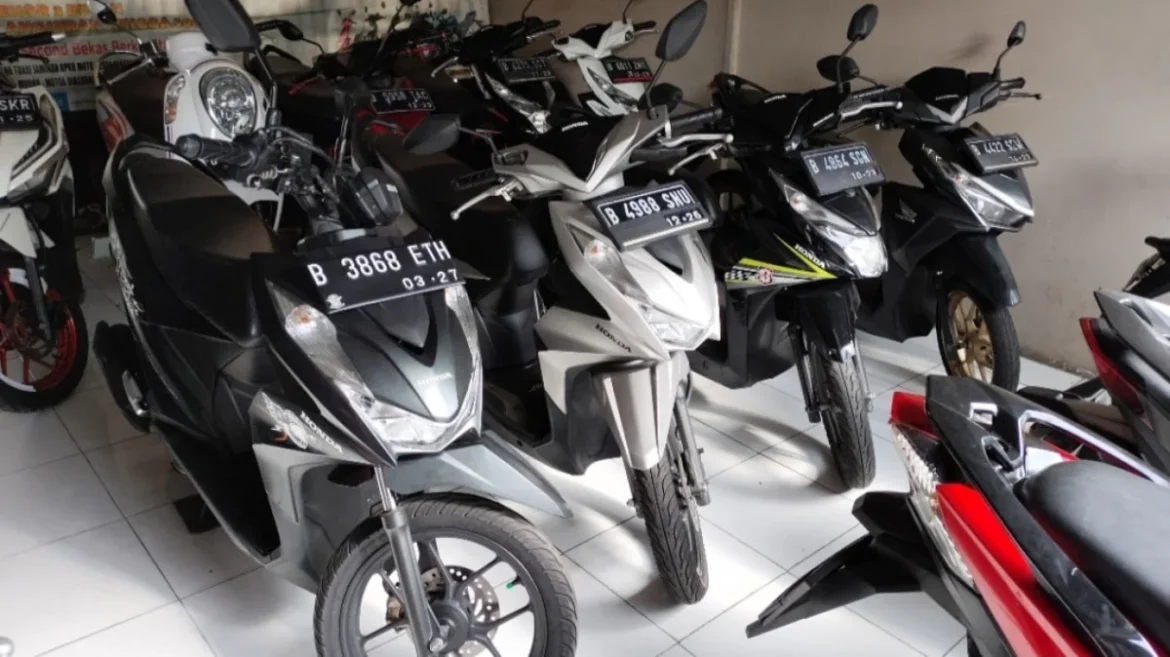
The integration of advanced security and convenience features in the Indonesian automotive landscape has reached a pivotal stage, where sophisticated technology like the keyless ignition system is no longer an exclusive luxury for high-end motorcycle models. As of September 2026, the secondary market for motorcycles in Jakarta has seen a significant shift, offering consumers a wide array of reliable, tech-forward choices that were once considered premium. For prospective buyers, the availability of keyless-equipped units at accessible price points marks a democratization of vehicle security technology, allowing budget-conscious riders to benefit from features previously reserved for flagship models.
The Evolution of Keyless Technology in Indonesia
The transition from mechanical ignition systems to keyless entry—often marketed as Smart Key Systems—began in earnest roughly a decade ago, led by major Japanese manufacturers seeking to enhance theft deterrence and user convenience. Unlike traditional metal keys, which are prone to wear and tear and can be easily duplicated, keyless systems utilize a radio frequency transmitter (remote fob) to communicate with the motorcycle’s Electronic Control Unit (ECU).
This technological leap provides more than just the ability to start the engine. Modern iterations of these systems allow for a seamless user experience, including remote seat release, fuel tank cap operation, and integrated "answer-back" systems that help owners locate their vehicles in crowded parking lots. By removing the need for a physical keyhole, manufacturers have also reduced the risk of ignition tampering, a common method used by motorcycle thieves.
Market Analysis: Keyless Features at Competitive Price Points
Market observations conducted on September 28, 2026, reveal that the entry barrier for keyless-equipped motorcycles has dropped significantly. With units starting as low as IDR 13 million, the second-hand market has effectively bridged the gap between basic commuters and premium scooters. Below is an overview of the key models currently dominating the pre-owned segment with this feature.
Yamaha Lexi: The Budget-Friendly Entry
The Yamaha Lexi has emerged as a favorite for those seeking a balance between functionality and cost. For units manufactured between 2020 and 2021, buyers can expect to pay between IDR 13.7 million and IDR 14 million. The inclusion of keyless technology in this price bracket makes the Lexi a highly competitive choice, particularly for urban commuters navigating dense traffic who prioritize security and ease of use.

Honda Scoopy: Retro Aesthetics Meets Modern Security
The Honda Scoopy, known for its distinct neo-retro styling, has maintained high residual value. Models from 2022 featuring the keyless system are currently trading between IDR 14 million and IDR 18.5 million. The price variance is largely attributed to the specific condition of the unit, geographical location, and the status of tax payments. As a mass-market leader, the Scoopy’s transition to keyless technology has been a major driver in its popularity among younger demographics.
Honda Vario 125: Performance and Tech Integration
Moving into the 125cc segment, the Honda Vario 125 represents a step up in performance. A 2023 unit equipped with keyless ignition generally commands a price between IDR 19.7 million and IDR 22.5 million. The Vario 125 is often praised for its balanced power-to-weight ratio, making it an ideal candidate for buyers who require more agility than the entry-level scooters can provide, without sacrificing modern security features.
Yamaha Aerox 155: The Sporty Contender
For riders who prioritize a more aggressive, sporty profile, the Yamaha Aerox 155 remains a top choice. The S ABS variant, which comes standard with keyless technology, is currently priced around the IDR 21 million mark for 2022 models. The inclusion of ABS (Anti-lock Braking System) alongside the keyless feature makes this model a comprehensive package for riders seeking both safety and convenience.
Yamaha NMAX: The Maxi-Scooter Standard
The Yamaha NMAX continues to define the maxi-scooter segment in Indonesia. A 2021 model with a keyless system is valued between IDR 22 million and IDR 24 million. Given its larger frame and superior comfort for long-distance commuting, the NMAX remains a benchmark for the pre-owned market, with prices remaining relatively stable due to consistent demand.
Factors Influencing Used Motorcycle Pricing
While the presence of a keyless system is a primary selling point, it is not the sole determinant of value in the used motorcycle market. Potential buyers are advised to consider a holistic set of variables before finalizing a purchase.
1. Mechanical Integrity and Maintenance History
A bike’s engine health remains the most critical factor. Buyers should look for service records that verify regular oil changes and check for unusual engine noises. A vehicle that has been maintained at authorized service centers is generally considered a safer investment than one with an undocumented maintenance history.

2. Vehicle Documentation and Tax Status
In the Indonesian market, the validity of the STNK (Vehicle Registration Certificate) and BPKB (Ownership Document) is paramount. A motorcycle with expired taxes or incomplete paperwork can lead to significant administrative hurdles and additional costs for the buyer.
3. Physical Condition and Mileage
High mileage, while not always an indicator of poor performance, generally correlates with wear on components like the CVT belt, tires, and suspension. A clean bodywork and well-preserved paint job often indicate that the previous owner prioritized care, which can serve as a positive heuristic for the bike’s internal condition.
The Broader Impact on Consumer Behavior
The proliferation of keyless technology in the used market reflects a broader shift in consumer expectations. As technology becomes ubiquitous, buyers are increasingly reluctant to settle for traditional, vulnerable ignition systems. This trend is forcing sellers and used-car dealers to prioritize newer, tech-equipped models in their inventories.
Industry experts note that the increased availability of these features is a direct result of manufacturing cycles reaching a point of saturation. As manufacturers introduce newer models, the previous generations filter down into the secondary market, keeping the supply of high-tech used motorcycles healthy. This creates a "trickle-down" effect where cutting-edge features from three or four years ago become the standard baseline for today’s entry-level buyers.
Advice for Prospective Buyers
For those currently in the market for a used motorcycle with a keyless system, the following steps are recommended:
- Verify the Remote Fob: Ensure that the motorcycle comes with the primary remote and, ideally, the spare ID tag. Replacing a lost keyless remote can be a costly process involving the reprogramming of the entire security module.
- Test the System Thoroughly: During a test ride, verify that the keyless ignition activates smoothly and that the steering lock functions as intended.
- Consult Professional Mechanics: If you are unfamiliar with motorcycle mechanics, paying for a pre-purchase inspection at an independent, trusted workshop can save significant capital in the long run.
- Compare Market Prices: Use digital platforms to compare multiple listings to ensure that the asking price aligns with the current market valuation for a specific model year and condition.
Conclusion
The Indonesian used motorcycle market is currently in a state of high accessibility. With keyless technology no longer restricted to the top-tier pricing segment, riders have more agency than ever to choose vehicles that provide both peace of mind and modern convenience. By understanding the current price benchmarks and the factors that influence vehicle value, consumers can navigate the pre-owned market with confidence, ensuring they secure a reliable machine that meets both their transportation needs and their security standards. As the technology continues to mature, it is likely that even more advanced features—such as smartphone connectivity and integrated GPS tracking—will follow the same path of democratization in the coming years.
