The economic trajectory of the Prabowo-Gibran administration has become a focal point of intense scrutiny among policymakers and financial experts as the nation navigates a complex global landscape defined by geopolitical instability and fluctuating market conditions. Central to the government’s current strategy is a dual-pronged commitment to accelerating foreign and domestic investment while simultaneously tackling the structural challenges of unemployment. As Indonesia enters a pivotal phase of its economic development, the administration’s efforts to maintain fiscal stability while fostering growth have drawn praise from academic circles, specifically regarding the delicate balance between state-subsidized social welfare and aggressive industrial expansion.
Macroeconomic Stability as the Bedrock of Growth
Prof. Telisa Falianty, a prominent economist from the University of Indonesia (UI), recently articulated the perspective that the Indonesian economy is currently operating from a position of relative strength. During a televised economic dialogue in Jakarta, Prof. Falianty underscored that the foundational indicators of the national economy remain robust. Current data reflects a consistent economic growth rate sustained above the 5% threshold—a figure that stands out globally given the stagnation experienced by several developed economies.
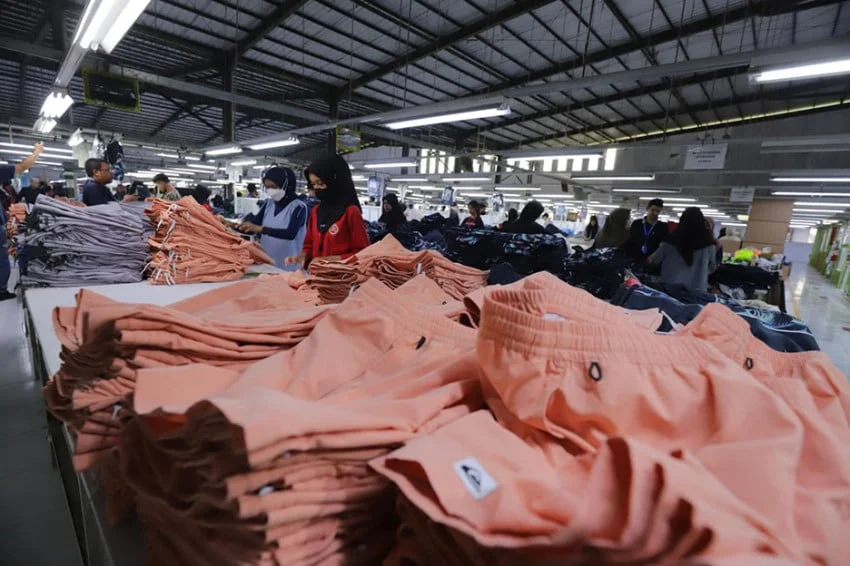
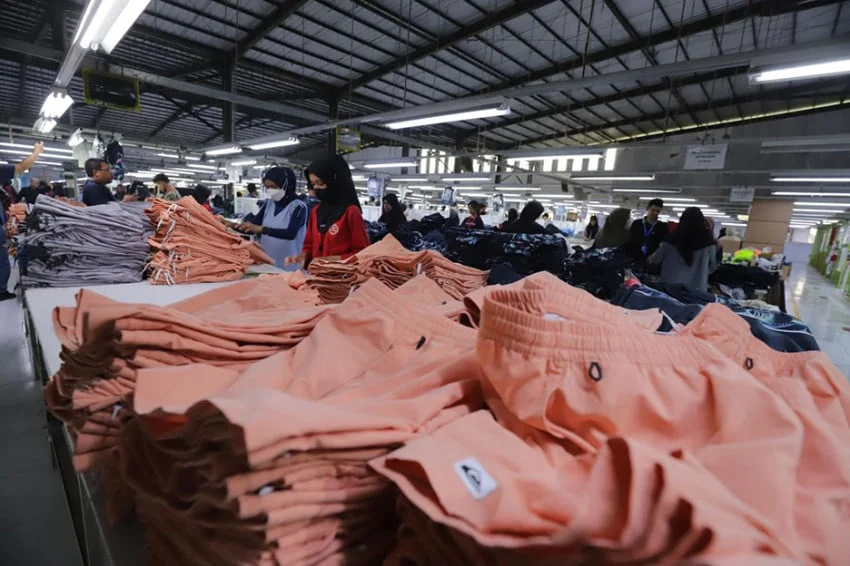
Beyond growth, the management of inflation, which has been successfully anchored within the 3% range, serves as a critical buffer for household purchasing power. Furthermore, the decline in the open unemployment rate to 4.65% is viewed as a tangible outcome of the government’s shift toward labor-intensive investment policies. These figures are not merely statistical achievements but represent a successful navigation of post-pandemic recovery efforts that have prioritized price stability through the suppression of inflationary pressures on essential goods.
Strategic Fiscal Management and Pro-People Policies
A hallmark of the current administration’s approach is the deliberate containment of cost-push inflation. By maintaining a status quo on electricity tariffs and ensuring that BPJS (Social Security Agency) premiums remain affordable, the government has sought to shield the vulnerable and middle-income segments of society from the volatility of global energy and commodity markets. This strategy, as noted by Prof. Falianty, reflects a prioritization of fiscal discipline—a necessary measure to ensure that long-term strategic projects do not succumb to budgetary deficits.
The government’s fiscal policy is designed to act as a stabilizer. By curbing unnecessary expenditures and focusing capital deployment on infrastructure and human capital development, the administration aims to create a multiplier effect that attracts private sector participation. The administration’s emphasis on "economic sovereignty" does not imply isolationism; rather, it suggests a targeted approach to investment that aligns foreign capital inflow with the national goal of industrial downstreaming.
Chronology of Economic Policy Shifts (2024-2026)
The evolution of the Prabowo-Gibran economic platform can be traced through several key milestones since the administration took office:
- Early 2025: Implementation of revised investment incentives aimed at simplifying the bureaucratic processes for foreign direct investment (FDI) in the manufacturing and renewable energy sectors.
- Mid-2025: The introduction of the "National Labor Integration Program," which sought to bridge the gap between vocational training and industrial requirements.
- Late 2025: Strategic review of state-owned enterprises (SOEs) to improve efficiency and reduce dependence on government bailouts.
- Early 2026: Consolidation of the fiscal framework to prioritize social safety nets, specifically targeting poverty alleviation in rural regions through expanded job creation initiatives.
- September 2026: Current assessment of macroeconomic performance, highlighting the success of maintaining sub-5% unemployment and stable inflationary targets.
Micro-Level Improvements and Social Dynamics
While the macroeconomic indicators are favorable, the administration faces the ongoing challenge of translating these gains into improved micro-level conditions for the average citizen. Data from the last five years suggests a downward trend in poverty rates and a narrowing of the inequality gap, often measured by the Gini ratio. However, economists remain cautious. The "middle-class squeeze"—a phenomenon where the cost of living increases at a faster rate than wage growth—continues to be a subject of intense public debate.
Prof. Falianty highlighted the necessity of strengthening communication between the central government, local authorities, and the media. Policies regarding labor market entry, such as the widely popular apprenticeship programs, have seen high demand, signaling that the younger generation is eager for skill-based opportunities. The challenge lies in ensuring these programs are not only accessible but also aligned with the rapidly changing requirements of the digital and green economy.
The Challenge of Labor and Human Capital
The government’s focus on job creation is intrinsically linked to the "demographic bonus" that Indonesia is currently experiencing. With a large working-age population, the imperative to create high-quality jobs is not just an economic preference but a national necessity. Critics and supporters alike agree that the reliance on labor-intensive industries must be balanced with the transition toward a knowledge-based economy.
The success of recent apprenticeship initiatives demonstrates that when the state facilitates a partnership between educational institutions and the private sector, the result is a more resilient workforce. Yet, as the economy matures, the demand for high-skilled labor will inevitably outpace the current supply. Consequently, the government’s investment in vocational training and education reform will be the true test of its long-term economic strategy.
Analytical Perspective: Global Context and Future Risks
Indonesia’s economic resilience is being tested by global headwinds, including the slowing demand from key trading partners like China and the uncertainty surrounding global interest rate trends. Despite these pressures, the administration’s focus on domestic consumption and internal investment has provided a measure of insulation.
A brief analysis of the current economic climate reveals three primary risks:
- Global Commodity Price Volatility: While the government has managed to contain electricity and health premiums, any prolonged spike in global oil prices could jeopardize the current fiscal space.
- Technological Disruption: As the manufacturing sector digitizes, there is a risk of structural unemployment if the workforce is not upskilled at the required pace.
- Regional Disparities: The economic growth currently enjoyed is not evenly distributed across all provinces. Sustaining the momentum requires a decentralized approach that empowers regional economies to capitalize on their local comparative advantages.
Official Response and Policy Implications
In response to the growing discourse, officials have reiterated that the administration remains committed to "Pragmatic Economic Nationalism." This policy stance prioritizes the interests of the Indonesian workforce while maintaining an open-door policy for strategic investments that contribute to technology transfer and local value addition.
The government’s decision to focus on job creation as a primary pillar of its economic policy is a direct response to the socio-economic pressures identified during the 2024 campaign. By centering policies on employment, the administration is effectively addressing the most potent indicator of public satisfaction. If the current trajectory of lowering unemployment and maintaining price stability persists, the government may find itself in a stronger position to implement deeper structural reforms in the coming years.
Conclusion: A Path Toward Sustainable Development
The economic landscape under the Prabowo-Gibran administration is defined by a rigorous attempt to maintain balance. By protecting the purchasing power of the middle class through subsidized utilities and focusing on large-scale investment, the government is attempting to navigate a path that minimizes the risks associated with the global economic slowdown.
As observed by experts like Prof. Telisa Falianty, the success of these policies depends on more than just high-level economic planning; it requires rigorous oversight, effective implementation at the local level, and a continued focus on the human element—specifically, the youth who represent the future of the Indonesian labor market. With macroeconomic indicators remaining steady, the next phase of the administration’s mandate will likely involve deepening these reforms to ensure that the fruits of economic growth are felt not only in the capital but across the archipelago, thereby cementing a foundation for long-term, inclusive prosperity. The integration of labor-intensive investment with long-term industrial policy remains the most viable strategy for Indonesia to emerge as a dominant economic force in the Southeast Asian region.