PT Eka Bogainti, the parent company of the prominent Indonesian fast-food chain HokBen, has officially announced the expansion of its noodle-based portfolio with the introduction of Spicy Ramen. This strategic move, unveiled in Jakarta on Tuesday, February 14, 2023, aims to capitalize on the deep-rooted preference of Indonesian consumers for piquant and spicy cuisine. The launch follows the successful introduction of the Hoka Ramen line in late 2022 and signifies the brand’s ongoing commitment to diversifying its menu beyond its traditional bento-style offerings.
The introduction of Spicy Ramen is not merely an addition to the menu but a calculated response to market trends and consumer feedback. Francisca Lucky, General Manager of Marketing at PT Eka Bogainti, emphasized that the decision to develop a spicy variant was heavily influenced by the culinary habits of the Indonesian population. According to Lucky, the "Spicy Ramen" variant was inspired by the taste preferences of the majority of Indonesians who consider spicy flavors an essential component of their daily meals. By integrating this local preference into a traditional Japanese noodle format, HokBen seeks to create a bridge between authentic Japanese culinary techniques and the Indonesian palate.
Product Composition and Strategic Pricing
The Spicy Ramen is crafted using a robust chicken broth base, infused with a proprietary blend of spices to achieve its signature heat. To ensure a comprehensive dining experience, the dish is served with a variety of traditional and modern toppings. These include chicken chasiu—thinly sliced chicken prepared in the Japanese braising style—alongside ni tamago (seasoned soft-boiled egg), pakcoy (bok choy), scallions, and wood ear mushrooms (jamur kuping). This combination of textures and flavors is designed to provide a "juicy" sensation and a deep, savory profile that aligns with the brand’s reputation for quality.
In terms of market positioning, HokBen has adopted a tiered pricing strategy to cater to different levels of consumer appetite and budget. The Spicy Ramen is available in two distinct portions: the Regular portion, priced at Rp 38,000, and the Large portion, priced at Rp 48,000. This pricing structure places the product in a competitive mid-range category, making it accessible to a wide demographic, from students to office workers, while remaining significantly more affordable than specialty ramen boutiques found in high-end shopping malls.
The Evolution of the Hoka Ramen Series
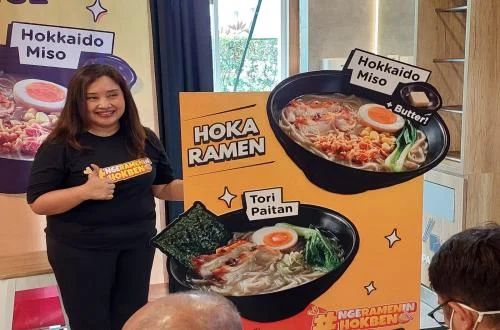
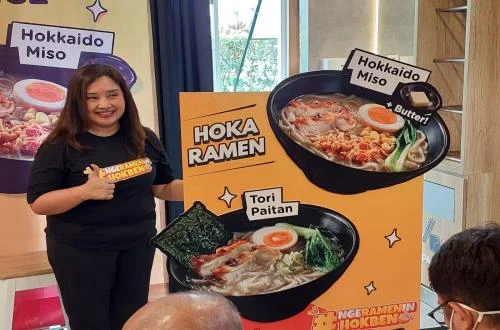
The launch of Spicy Ramen marks the third installment in the Hoka Ramen series. The brand first ventured into the specialized ramen market in the fourth quarter of 2022 with the release of two initial variants: Hokkaido Miso Ramen and Tori Paitan Ramen. These initial offerings were designed to establish HokBen’s credibility in the noodle sector, focusing on creamy and savory broth profiles that are staples of Japanese ramen culture.
Hokkaido Miso Ramen provided a rich, fermented soybean paste flavor, while the Tori Paitan Ramen offered a thick, collagen-rich white chicken soup. The success of these products paved the way for the February 2023 launch of the Spicy variant. The company noted that the "Hoka Ramen" project was born out of a desire to provide a one-stop Japanese dining experience where customers could enjoy both rice-based bento and noodle-based dishes under one roof. The brand claims that the secret to their ramen’s popularity lies in the fusion of high-quality raw materials with a unique seasoning blend that retains a "Japanese essence" while being adjusted for local tastes.
Contextualizing the Indonesian Palate and Market Trends
The decision to focus on a spicy variant is backed by significant cultural and economic data within the Indonesian food and beverage (F&B) industry. Indonesia has a long-standing "sambal culture," where chili-based condiments are a staple. Market research consistently shows that spicy snacks and meals dominate the fast-moving consumer goods (FMCG) and restaurant sectors in Southeast Asia’s largest economy. By labeling the product "Spicy Ramen," HokBen is utilizing a high-intent keyword that resonates with local search trends and consumer cravings.
Furthermore, the F&B sector in Indonesia has shown remarkable resilience and growth in the post-pandemic era. As of early 2023, the industry has seen a shift toward "affordable luxury" and "comfort food." Ramen, which was once considered a premium or niche food item in Indonesia, has transitioned into a mainstream favorite. The rise of local ramen chains and the expansion of international franchises have increased competition, forcing established players like HokBen to innovate constantly to maintain their market share.
Corporate Strategy and Brand Legacy
PT Eka Bogainti, which has operated HokBen since its inception in 1985 (originally as Hoka Hoka Bento), has undergone a significant brand transformation over the decades. What started as a specialized bento lunch box service has evolved into a comprehensive Japanese-style fast-food giant with hundreds of outlets across the archipelago. The transition from the name "Hoka Hoka Bento" to the simplified "HokBen" in 2013 was part of a broader strategy to modernize the brand and make it more relatable to younger generations.
The introduction of ramen is a key pillar of HokBen’s current "New Concept" strategy. By diversifying the menu, the company reduces its dependence on traditional fried items and rice dishes. This diversification is also a defensive move against the rising popularity of specialized noodle houses. By offering a "halal-certified" ramen experience—a crucial factor in the world’s most populous Muslim-majority nation—HokBen secures a competitive advantage over many authentic Japanese ramen shops that may use pork-based ingredients.
Industry Analysis: The Halal Factor and Quality Assurance
One of the most significant aspects of HokBen’s Spicy Ramen is its strict adherence to halal standards. In the Indonesian market, the "Halal" seal from the Indonesian Ulema Council (MUI) is a prerequisite for mass-market success. Traditional Japanese ramen often utilizes tonkotsu (pork bone) broth, which excludes a vast majority of the Indonesian population. HokBen’s use of chicken broth (Tori) and chicken-based chasiu ensures that their ramen is inclusive.
The company has invested heavily in its supply chain to ensure that the texture of the noodles and the depth of the broth meet the expectations of ramen enthusiasts. The noodles used in the Spicy Ramen are reported to have a specific elasticity that prevents them from becoming soggy too quickly, a common complaint in fast-food ramen. This focus on "textural integrity" and "aromatic profile" suggests that HokBen is aiming to compete not just on price, but on culinary quality.
Broader Implications for the Fast-Food Sector
The move by HokBen reflects a broader trend in the global fast-food industry where regional players are "premiumizing" their menus. By adding items like ni tamago and wood ear mushrooms—ingredients typically found in artisanal ramen shops—HokBen is elevating the fast-food experience. This strategy, often referred to as "fast-casual" dining, allows the brand to command slightly higher prices while offering perceived higher value to the consumer.
Economically, the expansion of the ramen line is expected to drive higher "average transaction values" (ATV). Customers who might have previously only ordered a simple bento set may now be tempted to try the ramen as an add-on or a primary meal, particularly during the rainy season when hot soup dishes see a seasonal spike in demand.
Chronology of Innovation at HokBen (2022-2023)
To understand the significance of the Spicy Ramen launch, it is helpful to look at the timeline of HokBen’s recent product developments:
- Late 2022: HokBen officially enters the ramen market with the "Hoka Ramen" sub-brand, launching Hokkaido Miso and Tori Paitan. This was accompanied by a marketing campaign focusing on the "authentic taste of Japan."
- January 2023: Following positive market reception, the company began internal testing for a spicy variant, recognizing a gap in their noodle lineup for heat-seeking consumers.
- February 14, 2023: The official launch of Spicy Ramen. The timing, coinciding with Valentine’s Day, was leveraged by some outlets for promotional "couple" deals, though the primary focus remained on the spicy flavor profile.
- Mid-2023 (Projected): Industry analysts expect HokBen to continue this trend by potentially introducing dry ramen (mazesoba) or seasonal toppings to keep the menu fresh and engage with the "foodie" culture on social media platforms like Instagram and TikTok.
Conclusion and Future Outlook
The launch of Spicy Ramen by HokBen is a textbook example of a legacy brand adapting to contemporary consumer desires. By combining the logistical strength of a large-scale fast-food chain with the flavor profiles of a specialized noodle house, PT Eka Bogainti is positioning HokBen as a versatile leader in the Indonesian culinary scene.
As the brand continues to roll out the Spicy Ramen across its network of over 300 stores, the focus will likely shift to maintaining consistency in flavor and service. For the Indonesian consumer, the addition of Spicy Ramen provides a familiar yet "exotic" dining option that fits within a reasonable budget. For the F&B industry, it serves as a reminder that even the most established players must innovate to stay relevant in a market that is increasingly defined by a sophisticated and spice-loving demographic. With the F&B sector contributing significantly to Indonesia’s GDP, the success of such product launches is a vital indicator of the health of domestic consumer spending and the vibrancy of the nation’s retail landscape.