
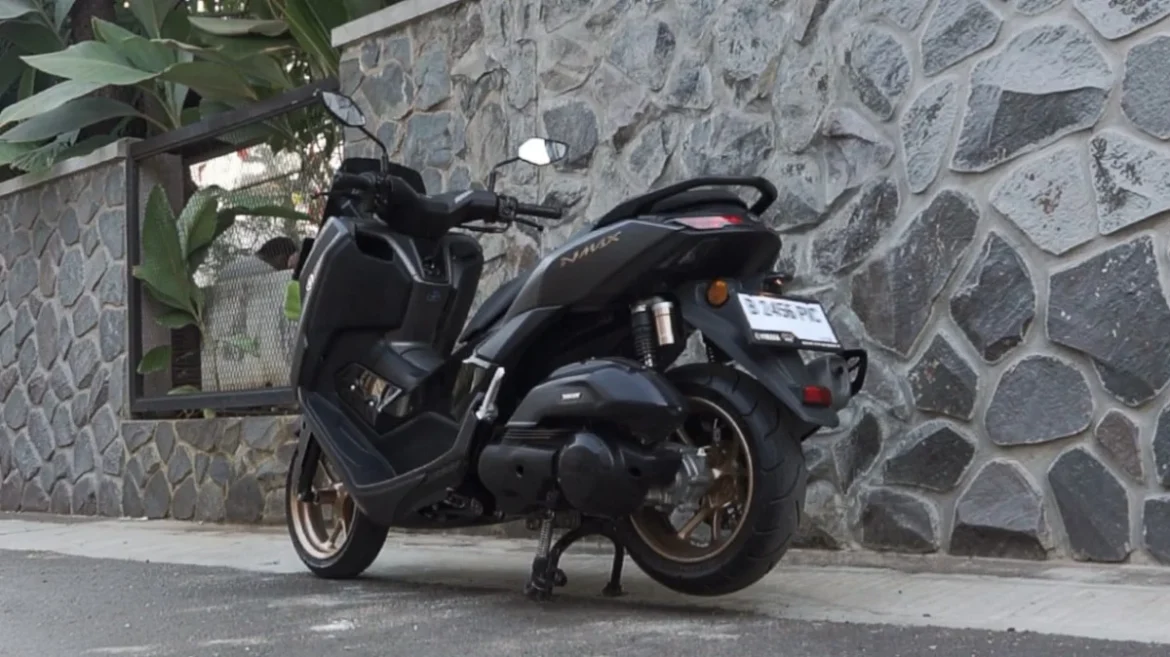
The enduring popularity of the Yamaha Nmax has once again been underscored by a surge in social media activity throughout September 2026. As of Tuesday, September 22, 2026, the scooter—specifically the latest "TURBO" generation—remains a focal point for automotive enthusiasts and daily commuters alike. Across various digital platforms, including Instagram and emerging social-first media channels, the discourse surrounding the Nmax has evolved from mere product reviews to a deeper exploration of its design, comfort, and, most notably, its proprietary electronic transmission technology. This sustained interest reflects the vehicle’s status as a cultural and practical staple in the Indonesian motorcycle market, transcending its role as a mere mode of transportation.
The Evolution of the Nmax Legacy
Since its inception, the Yamaha Nmax has redefined the "Maxi" scooter segment in Southeast Asia. Initially launched to provide a more sophisticated, powerful, and comfortable alternative to the entry-level automatic scooters that saturated the market, the Nmax succeeded by bridging the gap between utilitarian city bikes and touring-capable machines.
The transition into the latest generation, marketed under the "TURBO" moniker, represents a significant shift in Yamaha’s engineering philosophy. Historically, the Nmax was defined by its liquid-cooled 155cc engine and Blue Core technology. However, the 2026 iteration introduces the Yamaha Electric Continuously Variable Transmission (YECVT), a system that has become the centerpiece of current automotive discussions. Unlike traditional mechanical CVT systems that rely on centrifugal weights and rollers, the YECVT utilizes electronic actuators to control the transmission ratio, providing a more precise and responsive acceleration experience.
Decoding the "TURBO" Technology
A common point of confusion among the general public, often fueled by social media discourse, is the literal interpretation of the term "TURBO" in the branding. It is essential to clarify that the Yamaha Nmax "TURBO" does not utilize a turbocharger or forced induction system in the traditional internal combustion sense. Instead, the term is a marketing descriptor for the instantaneous, "boost-like" acceleration provided by the YECVT system.
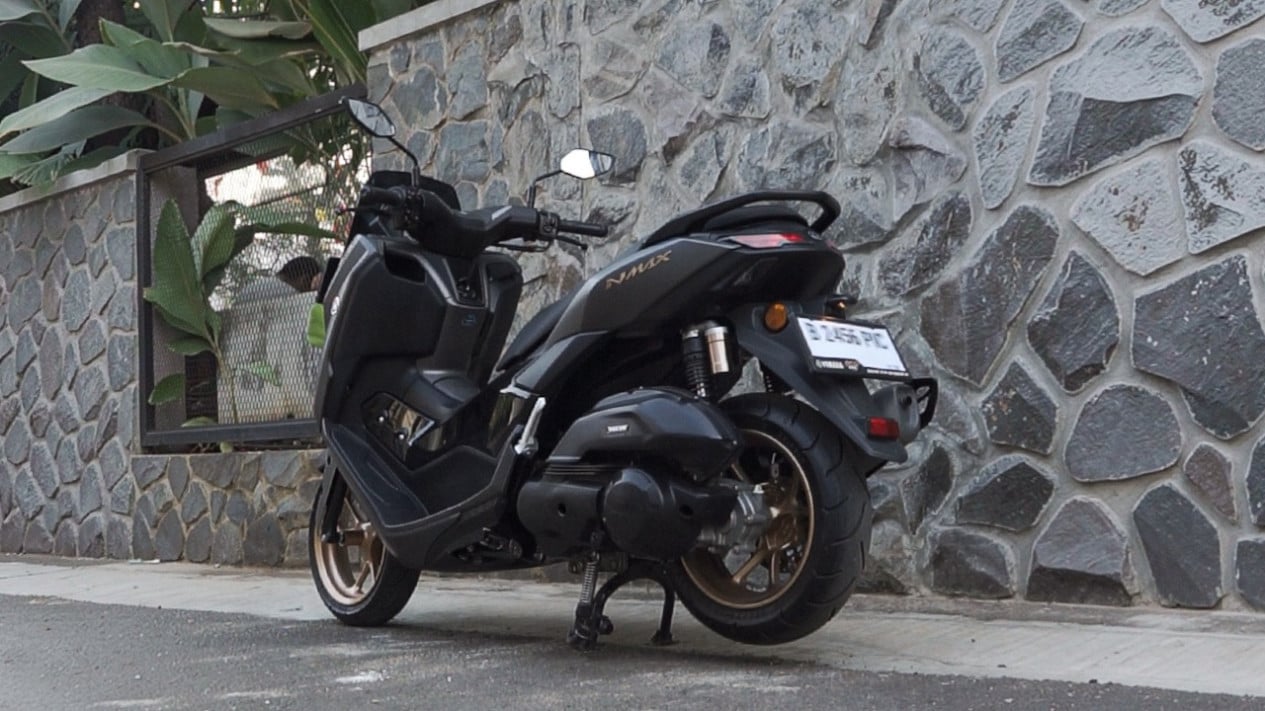
The YECVT allows for a level of control previously unseen in the 150-160cc scooter class. By integrating two distinct riding modes—T-Mode (Town) and S-Mode (Sport)—riders can tailor the engine’s power delivery to their immediate environment. The T-Mode is optimized for efficiency and smooth acceleration in stop-and-go traffic, while the S-Mode sharpens the throttle response for highway riding or spirited maneuvers. Furthermore, the inclusion of the Y-Shift feature grants the rider the ability to momentarily alter the transmission ratio via a handlebar-mounted button, effectively mimicking the "downshifting" sensation of a manual transmission. This feature provides a crucial surge of power for overtaking, a significant enhancement for safety and rider engagement.
Market Positioning and Demographic Appeal
The sustained market dominance of the Nmax is not solely attributable to its engine technology. The ergonomics of the bike remain a primary selling point. Its signature "maxi" dimensions offer a relaxed, upright riding position that reduces fatigue during long-distance travel, while the generous floorboard area and spacious under-seat storage satisfy the demands of the modern urban professional.
As of September 2026, the pricing strategy for the Nmax lineup reflects its position as a premium offering in the Indonesian market. The standard "TURBO" model is priced at IDR 39,465,000 (OTR Jakarta). The higher-tier variants, which cater to customers seeking a more luxurious experience, include the Nmax "TURBO" TECH MAX at IDR 44,965,000, the TECH MAX Special Livery at IDR 45,365,000, and the flagship TECH MAX Ultimate at IDR 46,945,000. These higher-end models feature advanced digital instrumentation, including TFT displays, comprehensive smartphone connectivity, and integrated navigation systems, which have become standard requirements for tech-savvy riders.
Broader Implications for the Scooter Segment
The ongoing conversation regarding the Nmax highlights a broader trend in the motorcycle industry: the shift toward "smart" mobility. By digitizing the transmission and integrating software-defined riding experiences, Yamaha is moving the needle for what consumers expect from a mid-displacement scooter. This transition is forcing competitors to innovate, as the "Maxi" segment in Indonesia continues to grow in competitiveness.
Industry analysts suggest that the success of the Nmax "TURBO" indicates a changing consumer profile. Riders are no longer satisfied with simple performance metrics like horsepower; they are increasingly prioritizing the "feel" of the machine, ease of use, and the integration of digital ecosystems into their daily commute. The Nmax has successfully positioned itself as a lifestyle product rather than just a utility vehicle, a transition that has kept it relevant despite the arrival of new challengers from various manufacturers.

Chronology of Public Interest (September 2026)
The recent uptick in social media interest can be traced to a series of viral content pieces that began circulating in early September. These posts often focus on the Y-Shift feature, with creators demonstrating the instantaneous acceleration capabilities of the bike in real-world scenarios. This organic promotion has led to a feedback loop where potential buyers share their experiences, ask for advice on maintenance, and debate the merits of the different "TURBO" variants.
- Early September 2026: Initial wave of "homeless media" content begins highlighting the Y-Shift capability, leading to widespread speculation about the "TURBO" branding.
- Mid-September 2026: Tech-focused automotive reviewers release long-term test reports, validating the reliability of the YECVT system and providing data on real-world fuel consumption versus the old mechanical CVT.
- September 22, 2026: Public discourse reaches a peak, with community forums and social media threads filled with discussions regarding the value proposition of the TECH MAX Ultimate versus the standard model.
Expert Analysis and Future Outlook
The sustained dominance of the Yamaha Nmax raises important questions about the future of the 150-250cc market in Indonesia. As consumers move toward electrified or semi-electrified drivetrains, the Nmax’s YECVT serves as a bridge technology. It introduces the concept of electronic control, which is the precursor to fully electric power systems.
From an economic perspective, the Nmax remains a stable asset. Its high resale value, supported by a robust network of spare parts and authorized service centers across the archipelago, continues to be a major factor for prospective buyers. When compared to other maxi-scooters in the 250cc class—such as the Yamaha Xmax or the Honda Forza—the Nmax occupies a unique "sweet spot." It offers the aesthetic and comfort of a larger bike with the tax and maneuverability benefits of a 155cc engine.
Conclusion
The Yamaha Nmax continues to be a cultural phenomenon that defines the current era of motorcycling in Indonesia. By successfully blending traditional maxi-scooter virtues with innovative, electronically managed performance, Yamaha has managed to keep the Nmax at the forefront of the conversation. As the brand continues to refine the "TURBO" generation, the focus will likely remain on balancing high-tech features with the practical needs of the Indonesian consumer. With a firm grip on both the market share and the digital narrative, the Nmax is set to remain a standard-bearer for the foreseeable future, influencing how riders perceive comfort, technology, and performance in their daily journeys. The ongoing viral engagement is not merely a passing trend, but a testament to the brand’s ability to evolve alongside the modern rider, ensuring the Nmax remains the preferred choice for those navigating the bustling streets of Jakarta and beyond.
