PT Eka Bogainti, the parent company of the prominent Japanese-style fast-food chain HokBen, has officially announced the expansion of its noodle category with the introduction of Spicy Ramen. This strategic menu addition, launched in February 2023, is designed to cater specifically to the Indonesian palate, which has a long-standing and culturally ingrained preference for spicy cuisine. The move follows the successful introduction of the Hoka Ramen series in late 2022 and marks a significant step in the brand’s ongoing effort to diversify its offerings beyond its traditional bento-style meals. By integrating local taste preferences with authentic Japanese culinary techniques, HokBen aims to solidify its position in the increasingly competitive ramen market in Indonesia.
The decision to launch a spicy variant was driven by extensive market research into consumer behavior and dining trends within the archipelago. Francisca Lucky, the General Manager of Marketing at PT Eka Bogainti, explained that the spicy flavor profile was a direct response to the majority of Indonesian consumers who consider heat an essential element of their daily meals. Speaking at the launch event in Jakarta, Lucky emphasized that the Spicy Ramen is intended to complement the existing Hoka Ramen lineup, providing a more comprehensive range of choices for the brand’s loyal customer base, particularly those who have already embraced the restaurant’s foray into the ramen segment.
Product Composition and Pricing Strategy
The newly introduced Spicy Ramen is characterized by a robust chicken-based broth infused with a blend of spicy seasonings that provide a lingering heat without overpowering the underlying umami notes. To ensure a premium dining experience, the dish is served with a variety of traditional and localized toppings. These include chicken chashu—tender, thinly sliced chicken that has been marinated and cooked to retain its juiciness—alongside ni tamago, a seasoned soft-boiled egg that is a staple of authentic Japanese ramen.
Further enhancing the texture and nutritional value of the dish are fresh pakcoy (bok choy), sliced green onions, and wood ear mushrooms (jamur kuping), which provide a subtle crunch. The combination of these ingredients reflects HokBen’s commitment to maintaining a balance between traditional Japanese aesthetics and the hearty portions expected by Indonesian diners.
In terms of pricing, HokBen has adopted a tiered strategy to ensure accessibility across different consumer segments. The Spicy Ramen is available in two sizes: a Regular portion priced at Rp 38,000 and a Large portion priced at Rp 48,000. This pricing reflects a competitive positioning against both local ramen stalls and international chains, placing HokBen in the "affordable premium" category. By offering a large portion, the brand caters to the "sharing culture" and high-appetite diners that are common in Indonesian urban centers.
A Chronology of HokBen’s Culinary Evolution
The launch of Spicy Ramen is not an isolated event but rather the latest phase in a calculated brand evolution. For decades, HokBen (formerly known as Hoka Hoka Bento) was synonymous with fried shrimp, beef teriyaki, and rice-based bento boxes. However, the company recognized a shift in the F&B landscape where ramen was moving from a niche gourmet item to a mainstream staple.
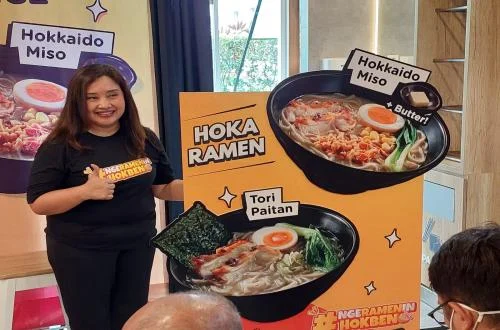
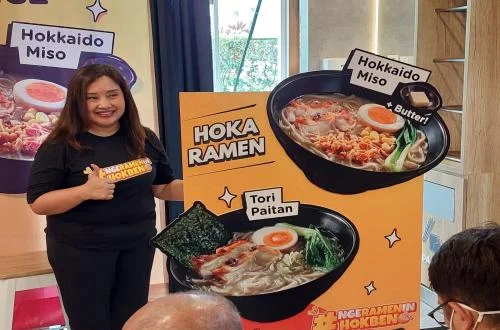
In the final quarter of 2022, HokBen took its first major step into the noodle market with the debut of Hoka Ramen. This initial launch featured two distinct varieties: Hokkaido Miso Ramen and Tori Paitan Ramen. The Hokkaido Miso variant offered a rich, fermented soybean paste base, popular in the northern regions of Japan, while the Tori Paitan provided a creamy, collagen-rich white chicken broth.
The success of these two variants provided the necessary proof of concept for the brand. Consumers responded positively to the "juicy" texture of the toppings and the "unique yet familiar" taste of the broths. Building on this momentum, the company identified a gap in their own lineup: a high-heat option. The February 2023 launch of Spicy Ramen was the logical next step to capture the "pedas" (spicy) enthusiast demographic, which constitutes a massive portion of the Indonesian population.
The Cultural Significance of Spiciness in the Indonesian Market
To understand why HokBen prioritized a spicy variant, one must look at the broader Indonesian culinary landscape. Indonesia is a nation where sambal (chili paste) is often considered a mandatory side dish. This cultural affinity for heat has led many international franchises to "Indonesianize" their menus. From spicy fried chicken to fiery pasta dishes, the inclusion of chili is often a prerequisite for mass-market success in the country’s F&B sector.
By introducing Spicy Ramen, HokBen is leveraging this "spicy food phenomenon." Market analysts suggest that spicy ramen, in particular, has become a viral trend in Indonesia, partly due to the influence of South Korean "fire noodles" and the proliferation of local ramen shops that offer varying levels of spice. HokBen’s entry into this specific sub-sector allows it to compete not just with other Japanese restaurants, but also with the broader "comfort food" market.
Quality Assurance and Halal Certification
One of the critical factors in HokBen’s enduring success in Indonesia is its strict adherence to quality and its status as a Halal-certified establishment. For a Japanese-style restaurant, achieving and maintaining Halal certification is a significant undertaking, as many traditional Japanese ingredients (seafood extracts, mirin, or sake-based seasonings) must be replaced with Halal-compliant alternatives without sacrificing the authentic flavor profile.
The Spicy Ramen, like all other items on the HokBen menu, is produced under rigorous food safety standards. PT Eka Bogainti has invested heavily in a centralized kitchen system and a robust supply chain to ensure that the taste remains consistent across its hundreds of outlets spanning from Sumatra to Bali. This consistency is a major draw for consumers who seek a reliable dining experience, whether they are in a busy Jakarta mall or a suburban residential area.
Broader Economic Implications and Industry Trends
The expansion of HokBen’s menu comes at a time when the Indonesian food and beverage industry is experiencing a robust recovery following the challenges of the COVID-19 pandemic. As mall foot traffic returns to pre-pandemic levels, restaurant chains are aggressively innovating to capture "revenge spending" and the evolving tastes of a younger, more adventurous demographic.
The diversification into ramen also represents a strategic move to increase "average transaction value" and "customer frequency." By offering more than just bento, HokBen encourages repeat visits from customers who might want rice one day and noodles the next. This versatility is crucial for maintaining market share in an environment where new international competitors enter the market annually.
Furthermore, the F&B sector remains a significant contributor to Indonesia’s non-oil and gas GDP. The growth of established home-grown brands like HokBen demonstrates the maturity of the local industry, showing that Indonesian companies can successfully adapt foreign culinary concepts to suit local tastes while maintaining a high standard of professional service and branding.
Future Outlook for the Hoka Ramen Series
Looking ahead, the success of the Spicy Ramen is expected to pave the way for further regional Japanese inspirations. Industry insiders speculate that HokBen may eventually explore dry ramen (mazesoba) or seasonal variants that incorporate other popular Indonesian flavors.
For now, the focus remains on the "Spicy Ramen" as a flagship product for the noodle category. The brand’s marketing efforts have shifted toward highlighting the "sensasi rasa khas Jepang" (authentic Japanese taste sensation) combined with the "selera nusantara" (archipelagic palate). As the brand continues to celebrate its presence in Indonesia for nearly four decades, this move into the ramen space signifies its refusal to remain stagnant.
In conclusion, the introduction of Spicy Ramen by HokBen is more than just a menu update; it is a strategic alignment with national consumer trends. By combining the comfort of a warm bowl of noodles with the bold heat that Indonesians crave, PT Eka Bogainti is ensuring that HokBen remains a relevant and dominant player in the country’s diverse culinary map. As competition in the ramen sector intensifies, HokBen’s established infrastructure, brand loyalty, and focus on local preferences provide it with a formidable advantage.