
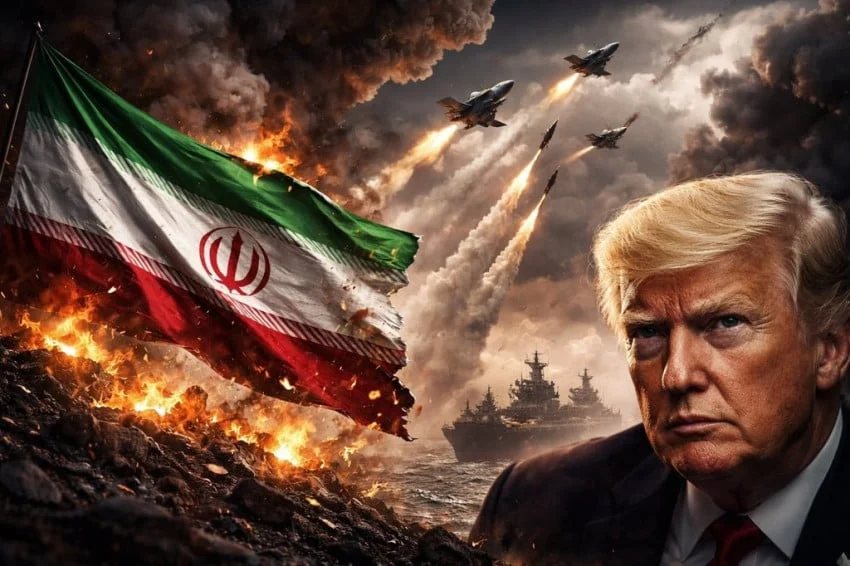
The geopolitical landscape of the Persian Gulf faces renewed volatility following the rejection by the United States of an Iranian proposal to reopen the Strait of Hormuz, a critical maritime chokepoint. Mohamad Elmasry, a professor at the Doha Institute of Graduate Studies and a prominent military analyst, has cautioned that the current stance of the U.S. administration reflects a dangerous level of overconfidence that may significantly misjudge the evolving strategic reality in the region. According to Elmasry, the dismissal of Tehran’s offer to negotiate terms for the passage of commercial vessels is a strategic misstep that could accelerate regional escalation, potentially impacting global energy markets and international security.
The Strategic Significance of the Strait of Hormuz
The Strait of Hormuz serves as the world’s most important oil transit chokepoint, with an estimated 20 to 30 percent of the world’s total global petroleum liquids consumption passing through its narrow waters daily. Connecting the oil-rich Persian Gulf with the Gulf of Oman and the Arabian Sea, the strait is approximately 21 miles wide at its narrowest point, with shipping lanes in either direction only two miles wide. Any disruption or perceived threat to this corridor triggers immediate reactions in global crude oil prices.
For decades, the security of the Strait of Hormuz has been a cornerstone of international energy policy. The United States, through its Fifth Fleet based in Bahrain, has long maintained a presence to ensure the "free flow of commerce." However, recent years have seen a shift in this dynamic, as Iran has increasingly utilized its naval capabilities—including fast-attack boats, sea mines, and coastal missile batteries—to exert leverage in response to international sanctions and political pressure.
Chronology of Escalation
The current tension is not an isolated event but rather the latest chapter in a protracted standoff between Washington and Tehran. The sequence of events leading to the current impasse includes:
- May 2019: Two oil tankers were damaged by explosions in the Gulf of Oman, an event for which the U.S. blamed Iran. Tehran denied any involvement.
- June 2019: An Iranian surface-to-air missile shot down a U.S. Navy RQ-4A Global Hawk surveillance drone, bringing the two nations to the brink of direct military confrontation.
- Late 2019 – 2020: A series of maritime incidents, including the seizure of tankers and the harassment of commercial vessels, underscored the fragility of the strait.
- Current Diplomatic Overture: Iran recently put forward a proposal intended to formalize the rules of transit and reduce the risk of naval friction. This proposal was framed by Tehran as a "de-escalation mechanism."
- The Rejection: The U.S. administration dismissed the proposal, maintaining that the responsibility for maritime security lies with Iran’s adherence to international norms and that the U.S. would not negotiate under perceived duress or pressure.
Expert Analysis: The Cost of Overconfidence
Mohamad Elmasry’s critique centers on the perception of power. He argues that Washington continues to operate under the assumption that it can dictate the terms of engagement, a perspective that may no longer align with the tactical reality on the ground. "The United States continues to view itself as being in a position of power and control over this situation. So, they still think that they can dictate the terms," Elmasry stated in his analysis.
From a military strategy standpoint, Elmasry suggests that the U.S. has underestimated Iran’s threshold for endurance. By rejecting a proposal that was structurally similar to previous agreements—some of which were previously viewed as favorable to both parties—the current administration may have inadvertently signaled that it is unwilling to engage in the incremental diplomacy required to stabilize the region.
"I don’t think the U.S. has the bargaining power they think they have," Elmasry added. This assertion is supported by observations from various defense analysts who note that while the U.S. maintains overwhelming conventional superiority, Iran’s asymmetric warfare capabilities, such as drone swarms and anti-ship cruise missiles, make a sustained conflict in the Persian Gulf an extremely costly endeavor for all parties involved.
Global Implications and Economic Impact
The refusal to engage in talks regarding the Strait of Hormuz has sent ripples through global markets. Energy traders closely monitor the rhetoric coming out of both Washington and Tehran, as even a minor increase in regional tension typically results in a "risk premium" being added to the price of oil.
If the stalemate continues, the broader implications include:
- Increased Insurance Premiums: Shipping companies may face higher insurance costs to traverse the Persian Gulf, directly increasing the cost of energy exports to Asia and Europe.
- Naval Posturing: Both nations are likely to increase the frequency of their naval patrols. This "close-quarters" maneuvering significantly raises the risk of accidental collision or misinterpretation of intent, which could lead to an unintended outbreak of hostilities.
- Diplomatic Isolation vs. Alignment: The U.S. rejection of the proposal places its regional allies in a difficult position. While countries like Saudi Arabia and the UAE share concerns regarding Iranian influence, they are also highly vulnerable to any conflict that might erupt on their doorstep. Many of these nations prefer diplomatic de-escalation over military confrontation.
Official Responses and International Reaction
While the U.S. administration has maintained that its "maximum pressure" policy is designed to bring Iran back to the negotiating table for a broader deal—one that includes ballistic missile programs and regional influence—critics argue that this approach has failed to produce the desired outcomes.
Tehran, for its part, has framed its proposal as a test of Washington’s true intentions. By offering a memorandum of understanding, Iran sought to demonstrate its willingness to act as a responsible stakeholder in maritime security. The rejection by the U.S. has been used by Iranian state media as evidence that Washington is not interested in genuine de-escalation, but rather in maintaining a state of perpetual tension to justify its military presence and sanctions regime.
Other global powers, including the European Union and China, have historically urged both sides to exercise restraint. The EU, in particular, has repeatedly emphasized that a diplomatic solution is the only viable path to long-term stability in the Persian Gulf, warning that a military miscalculation could have devastating consequences for the global economy.
Looking Toward the Future
The timing of this rejection is particularly significant given the domestic political climate in the United States. With the approach of electoral cycles, political analysts often point out that foreign policy decisions are frequently influenced by internal electoral considerations. Elmasry suggests that we could face a period of significant escalation before upcoming elections, as both sides may feel pressured to demonstrate strength to their respective domestic audiences.
The reality remains that the Strait of Hormuz is a shared interest, however uncomfortable that may be for the parties involved. The inability to establish a functional "rules of the road" for the transit of vessels in these waters leaves the region susceptible to what military planners call "the fog of war."
As the situation develops, the focus will likely remain on whether any third-party mediation can bridge the gap between the two nations. Without such intervention, the risk of a minor maritime incident escalating into a regional conflict remains high. The cautionary assessment provided by experts like Elmasry highlights the necessity of moving beyond rigid positions and recognizing that in a volatile region like the Persian Gulf, strategic overconfidence is often the precursor to preventable, yet catastrophic, instability.
For now, the world watches as maritime traffic continues to move through the narrow straits, mindful that the status quo is increasingly fragile and that the margin for error has diminished significantly. The path forward remains unclear, but the consensus among objective observers is that diplomatic channels, no matter how frayed, are the only tools capable of preventing a total breakdown of security in one of the world’s most vital waterways.
