
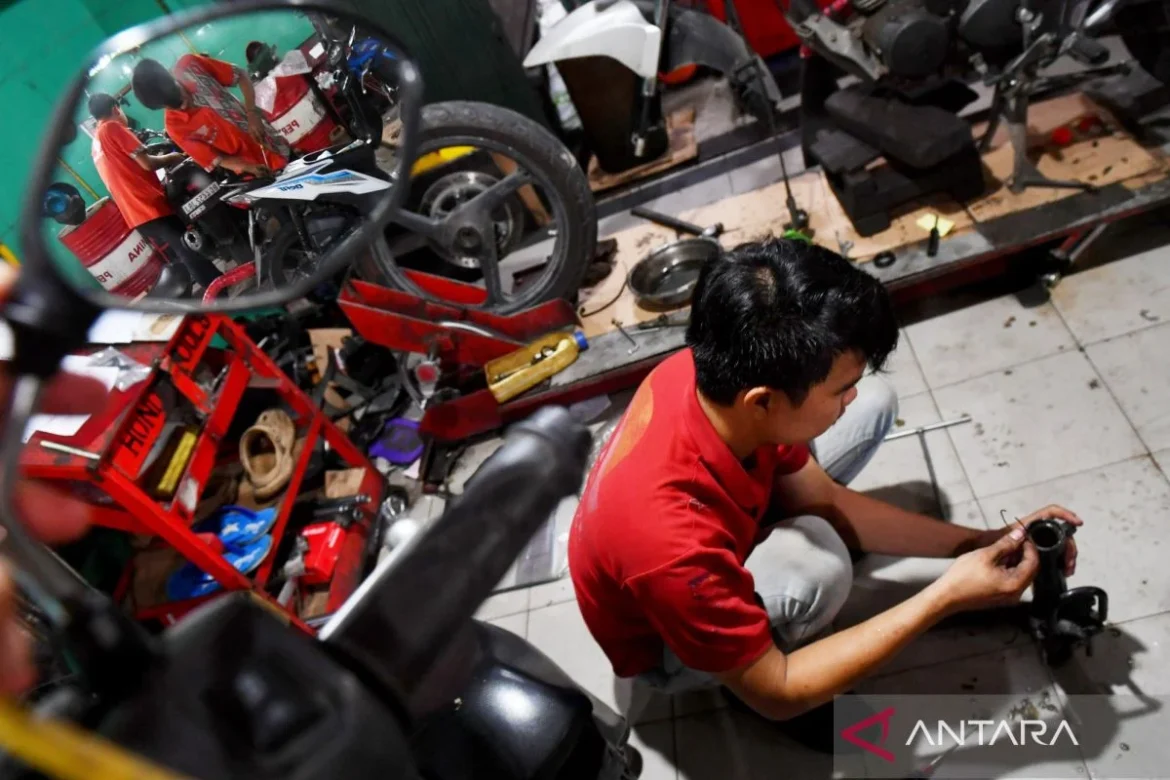
Jakarta (ANTARA) – The motorcycle braking system remains one of the most critical safety mechanisms on any two-wheeled vehicle, carrying the heavy responsibility of safely decelerating and bringing the machine to a complete halt under various road conditions. Yet, a frequent phenomenon that often perplexes riders is the sudden emergence of squealing, grinding, or scraping noises emanating from the wheels the moment the hand lever or foot pedal is engaged. While these auditory anomalies do not inherently signal a catastrophic mechanical failure—often triggered simply by fluctuating weather temperatures, trapped moisture, or superficial dust particles accumulating on the friction surfaces—ignoring persistent, escalating sounds can lead to severe safety hazards. According to automotive safety organizations and vehicle inspection bodies such as the UK’s Driver and Vehicle Standards Agency (DVSA), braking components operating below established tolerance thresholds present critical risks to road users. Consequently, understanding the foundational mechanics of motorcycle brakes, diagnosing the root causes of abnormal sounds, and adhering to strict maintenance schedules are vital practices for every motorist navigating modern roadways.
Anatomy of Motorcycle Brakes and the Physics of Friction
To comprehend why brakes generate unwanted noise, one must first examine how standard motorcycle braking systems operate. Modern motorcycles predominantly utilize either disc brakes or drum brakes, with high-performance setups relying heavily on hydraulic disc configurations. When a rider applies pressure to the brake lever, hydraulic fluid forces the pistons inside the caliper to push the brake pads—composed of specialized friction material—against a rotating metal disc known as the rotor. Alternatively, drum systems utilize internal brake shoes that expand outward against the interior surface of a rotating cylindrical drum.
Friction is the fundamental physical principle governing this process, converting kinetic energy into thermal energy to slow the vehicle down. However, when microscopic debris, uneven wear, thermal warping, or mechanical misalignment interferes with this delicate interface between the friction material and the metal contact surface, harmonic vibrations occur. These high-frequency vibrations are what human ears perceive as squeals, squawks, or harsh metallic scrapes.
Detailed Breakdown of Causes Behind Motorcycle Brake Noises
Automotive engineers and seasoned mechanics categorize brake noises into several distinct physiological triggers, each requiring a specific diagnostic approach.
-
Contamination by Dust, Dirt, and Environmental Debris
Urban commuting and off-road riding expose motorcycles to harsh environmental elements. Fine road dust, sand particles, mud, and water splashes frequently settle directly onto the brake pads and rotor surfaces. When the brake is subsequently applied, these abrasive particles become trapped between the pad and the disc, acting like microscopic sandpaper and generating a high-pitched squeal. In drum brake configurations, brake dust and dirt can accumulate heavily inside the drum housing, creating friction noise during pedal depression. While minor, occasional squeaks caused by temporary environmental elements often resolve themselves after a brief ride or a thorough wash, persistent noise requires professional cleaning. -
Critical Thinning of Brake Pad Friction Material
Brake pads are engineered as consumable wear items. Over thousands of kilometers of riding, the friction material gradually wears away due to constant contact with the rotor. As the pad material thins out, its structural integrity diminishes, leading to altered harmonic resonances that produce squealing sounds. In worst-case scenarios, if the friction material wears down entirely, the metal backing plate of the pad makes direct, unbuffered contact with the metal rotor. This creates an unmistakable, harsh grinding noise accompanied by a drastic reduction in stopping power. Regulatory bodies like the UK’s DVSA maintain strict inspection standards, categorizing any brake pad or lining measuring less than 1 millimeter in thickness as a critically dangerous defect requiring immediate replacement. While these specific millimeter benchmarks serve as baseline regulatory guides in Europe, Indonesian riders must similarly monitor manufacturer-specified wear indicators on their respective motorcycle models. -
Rotor Contamination, Surface Oxidation, and Rust Formation
Brake rotors—typically constructed from cast iron or stainless steel—are highly susceptible to environmental oxidation. Following heavy rainfall, routine motorcycle washes, or extended periods of storage in humid environments, a thin layer of rust frequently forms across the rotor surface. When the rider first utilizes the brakes after startup, the pads grind against this superficial layer of rust, producing a distinct scraping noise. Typically, this sound dissipates quickly as the friction of normal braking scrubs the oxidation away. However, deep corrosion, pitting, or chemical contamination from chain lube, engine oil, or grease requires intensive mechanical remediation or complete component replacement. -
Surface Warping and Non-Uniform Rotor Wear
Overheating caused by prolonged heavy braking, aggressive riding styles, or manufacturing imperfections can cause brake rotors to warp or wear unevenly. When a rotor loses its flat, parallel profile, the brake pads cannot maintain consistent, uniform contact across its surface as the wheel spins. This mechanical inconsistency generates a repetitive pulsing sound, often mirrored by a rhythmic pulsation felt directly through the hand lever or handlebar. If visual inspection reveals deep scoring, grooving, or a rotor thickness falling below the manufacturer’s minimum service limit, the component must be replaced promptly by a certified technician. -
The "Bedding-In" Phase of Brand-New Brake Components
Many riders experience unexpected squealing immediately after installing brand-new brake pads. This phenomenon is frequently linked to the "bedding-in" or break-in period. During this crucial operational phase, the fresh, unpolished surface material of the new pad must micro-conform to the unique wear patterns and microscopic grooves of the existing rotor to establish maximum surface contact. While light noise during the first few dozen kilometers can be a normal part of this conditioning process, continuous loud squealing may indicate improper installation, incompatible aftermarket pad compounds, or caliper misalignment. -
Caliper Malfunctions and Piston Sticking
In hydraulic disc systems, the brake caliper houses one or more pistons responsible for applying mechanical pressure. Over time, exposure to brake dust, road salt, and moisture can cause these pistons or their sliding pins to become fouled, oxidized, or entirely jammed. When a caliper sticks, the brake pad fails to retract fully away from the rotor after the rider releases the lever. This constant, unintended drag not only generates an incessant scraping or whining noise but also causes premature pad wear, excessive fuel consumption, and dangerous overheating of the entire braking assembly. If a wheel feels overly stiff when manually spun or if a burning odor emanates from the hub, immediate cessation of riding is mandatory. -
Loose Hardware and Improper Component Assembly
A motorcycle braking system comprises numerous precise mechanical elements, including mounting bolts, anti-rattle clips, retaining pins, and bracket assemblies. If any of these fasteners experience loosening due to engine vibrations or improper torque application during previous maintenance, the resulting structural play allows components to vibrate violently during deceleration. This structural looseness produces erratic clicking, rattling, or squealing noises that compromise both vehicle stability and rider safety.
Diagnostic Strategies and Professional Maintenance Best Practices
Addressing noisy brakes requires a methodical, safety-first approach. Mechanics universally advise against haphazard DIY fixes—such as blindly applying lubricating oils, grease, or household sprays directly onto brake pads or rotors in an attempt to silence a squeal. Such substances drastically diminish friction coefficients, rendering the braking system entirely ineffective and creating an extreme hazard.
To properly resolve brake noise, technicians recommend following a structured maintenance checklist:
- Inspect Brake Pad Thickness: Visually and physically check the remaining friction material against the manufacturer’s wear indicator lines. Replace pads immediately if they approach minimum thickness limits.
- Clean Braking Assemblies Thoroughly: Utilize specialized, residue-free brake cleaner sprays to eliminate accumulated metallic dust, road grit, and oily contaminants from calipers, rotors, and pads.
- Evaluate Rotor Condition: Run a gloved finger or use a micrometer to check for deep grooves, warping, thermal blue discoloration, or excessive thinning across the disc surface.
- Service Calipers and Slide Pins: Clean and lubricate sliding pins with high-temperature brake grease, ensuring pistons move freely without binding.
- Verify Component Specifications: Always utilize OEM (Original Equipment Manufacturer) or certified high-grade aftermarket components engineered specifically for the motorcycle’s make and model.
- Schedule Routine Servicing: Integrate comprehensive brake inspections into regular periodic maintenance intervals to catch minor wear before it escalates into structural failure.
Recognizing Critical Warning Signs Beyond Simple Noise
While minor squeaks caused by morning dew or dust are common, riders must remain hyper-vigilant for advanced warning signs that indicate a compromised braking system. Immediate professional intervention is required if any of the following symptoms accompany brake noise:
- Loud, harsh metallic grinding sounds indicating complete friction material loss.
- A brake lever that feels unusually spongy, soft, or travels excessively deep toward the handlebar before engaging.
- A noticeable reduction in overall braking responsiveness and stopping power.
- The motorcycle requiring an abnormally long stopping distance compared to normal operation.
- Heavy, pulsing vibrations transmitted through the handlebar or footpegs during braking applications.
- Wheels feeling bound, heavy, or dragging even when the brake controls are fully released.
- Visible fluid leaks around the master cylinder reservoir, hydraulic lines, or caliper fittings.
Recent industry data and safety campaigns underscore the catastrophic consequences of deferred maintenance. Incidents such as major multi-vehicle pileups on major arterial corridors—including highway disasters like those frequently investigated on toll roads such as the Cipularang Toll Road—often trace their root causes back to catastrophic mechanical failures, prominently featuring brake fade or complete brake failure under duress.
Broader Implications for Road Safety and Conclusion
The intersection of mechanical maintenance and road safety cannot be overstated. Operating a motorcycle with neglected, noisy, or failing brakes not only endangers the life of the rider but poses a direct threat to pedestrians and fellow motorists sharing the public thoroughfare. Modern traffic densities demand responsive, perfectly calibrated safety systems capable of instantaneous reaction times.
Therefore, viewing brake noises as mere operational nuisances is a dangerous misconception. By prioritizing routine inspections, utilizing professional diagnostic services, replacing worn components proactively, and adhering strictly to manufacturer guidelines, riders can ensure optimal vehicle performance. Ultimately, cultivating a proactive maintenance culture transforms the motorcycle from a potential hazard into a reliable, safe mode of transportation on every journey.
