
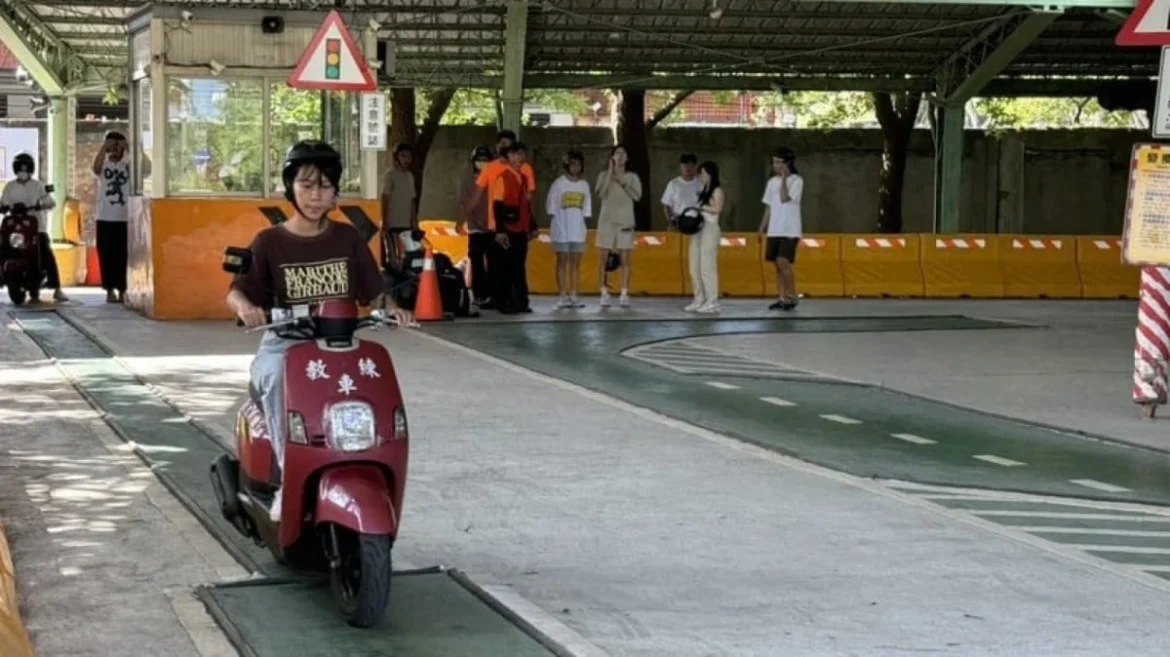
The government of Taiwan has announced a significant restructuring of its motorcycle licensing framework, marking a major shift in how the nation prepares new riders for the complexities of modern traffic. Starting January 1, 2027, the Ministry of Transportation and Communications (MOTC) will implement a more rigorous training regimen, increasing the required practical training duration for prospective motorcycle license holders from 10 hours to 15 hours. This policy initiative is part of a broader, multi-year strategy to reduce road traffic accidents and enhance the proficiency of motorists navigating Taiwan’s dense urban environments.
Beyond the extension of training hours, the MOTC has introduced a landmark change to the examination process: the integration of real-road testing. Currently, most licensing evaluations are conducted within controlled, off-road environments. By October 2027, the government plans to launch regional pilot programs that will subject candidates to assessments on public thoroughfares, ensuring that riders are capable of navigating actual traffic conditions, intersections, and complex road hazards before they are granted full legal privileges.
A Strategic Response to Road Safety Challenges
The decision to revise the licensing requirements stems from rising concerns regarding road safety in Taiwan. With millions of scooters and motorcycles serving as the primary mode of personal transport, the MOTC has identified rider behavior and insufficient training as critical variables in traffic accidents. The current system, which relies heavily on closed-course maneuvers, has been criticized for failing to adequately prepare riders for the unpredictable nature of heavy traffic, lane splitting, and high-density commuting.
The newly proposed 15-hour training curriculum is divided into specific instructional modules. Of the five additional hours of training, two are dedicated to applied riding techniques, while the remaining three hours are focused exclusively on road-based instruction. This curriculum shift aims to instill defensive driving habits, such as maintaining optimal sightlines, interpreting road signage in real-time, and developing the muscle memory required for safe braking and turning in varied weather conditions. Furthermore, students will be instructed on critical safety protocols, including the correct timing for using headlight systems to enhance visibility.
Implementation Timeline and Regulatory Roadmap
The transition toward this more comprehensive licensing structure will occur in distinct phases. The MOTC has laid out the following schedule to ensure that driving schools and regulatory bodies are adequately prepared for the transition:
- September 2026: Official announcement of the policy overhaul and the publication of updated training standards.
- January 1, 2027: Official commencement of the 15-hour mandatory practical training requirement for all new applicants.
- October 2027: Launch of regional pilot programs for on-road practical examinations.
- 2028 and Beyond: Evaluation of the pilot program’s efficacy, with the potential for nationwide implementation of on-road testing for all applicants.
This phased approach is designed to give driving schools sufficient time to upgrade their facilities and train instructors who are certified to supervise on-road training sessions.
Supporting Data and Financial Incentives
The success of the new licensing system is heavily reliant on public participation, which the government is actively encouraging through a robust subsidy program. While formal training is not yet a strictly mandated prerequisite for all applicants, the government has been aggressive in its efforts to incentivize professional instruction over self-teaching.
Data from the Ministry of Transportation highlights a steady increase in the uptake of these subsidized courses. In 2024, approximately 40,378 individuals utilized the government-backed training programs. By 2025, that number had surged to 59,912, representing a significant year-over-year increase in public awareness and participation. To further alleviate the financial burden on students, the government provides a subsidy of approximately NT$1,300 (roughly US$40 or IDR 734,000) for participants who successfully complete the training and secure their license within the subsidy window.
These financial incentives serve a dual purpose: they lower the barrier to entry for quality education while ensuring that a larger segment of the riding population is exposed to standardized safety instruction. By channeling applicants through accredited driving schools, the MOTC maintains better oversight of the quality of education provided to the public.
Addressing Vulnerable Demographics and Recidivism
The overhaul of the licensing system is not limited to new riders. The MOTC’s comprehensive strategy includes targeted measures for other demographics to ensure road safety across all age groups. For individuals who have committed significant traffic violations, the government is introducing mandatory remedial training. This retraining program is designed to correct dangerous driving habits and ensure that repeat offenders are brought up to date with current safety standards and regulations.
Additionally, the government is implementing stricter oversight for elderly drivers. As the population demographics in Taiwan continue to shift, ensuring that older drivers retain the necessary physical and cognitive faculties for safe motorcycle operation has become a priority. New perimeters for license renewal for senior citizens will be integrated into the broader administrative updates, focusing on vision tests and physical capability assessments to minimize the risk of accidents caused by age-related impairment.
Analysis of Potential Implications
The shift toward on-road testing and extended training hours is expected to have several long-term impacts on Taiwan’s traffic ecosystem.
- Reduction in Accident Rates: By requiring riders to demonstrate proficiency in live traffic, the government aims to reduce the frequency of low-speed, high-frequency accidents—such as intersection collisions—which are prevalent in urban centers like Taipei and Kaohsiung.
- Increased Operating Costs for Schools: Driving schools will likely face increased insurance and operational costs as they move training to public roads. However, the government’s commitment to subsidies is expected to offset these costs, preventing a steep rise in prices for the end-user.
- Standardization of Skills: The move toward a more rigorous standard will create a more uniform level of driving skill across the country. By moving away from the "test-to-pass" mentality of closed-course maneuvers, the new system encourages the development of long-term situational awareness.
- Cultural Shift in Road Safety: The emphasis on formal education over casual learning could lead to a cultural shift in how motorcycle riding is perceived in Taiwan. Transitioning the motorcycle from a casual necessity to a vehicle that requires professional instruction could increase the overall respect for traffic laws and pedestrian safety.
Industry and Stakeholder Responses
While the MOTC has yet to publish full qualitative feedback from all stakeholders, the proposal has been generally well-received by road safety advocates who have long pushed for more realistic testing environments. Driving school operators have expressed cautious optimism, noting that while the increased requirements demand more administrative and instructional resources, the government’s continued commitment to subsidies provides a stable foundation for the transition.
Some skeptics within the industry have pointed to the logistical challenges of conducting exams on public roads, citing potential risks during the testing phase itself. The MOTC has addressed these concerns by stating that the pilot programs in October 2027 will utilize carefully selected, low-traffic routes and will be monitored by specialized examiners to ensure the safety of both the student and the public.
Looking Ahead: A Safer Future for Commuters
As Taiwan approaches the 2027 implementation date, the focus will remain on refining the curriculum to ensure it remains relevant to the evolving challenges of modern transportation. The integration of technology—such as dashcam usage and telematics for instructor monitoring—could further enhance the effectiveness of the 15-hour training program.
The combination of increased training time, real-road testing, and targeted education for high-risk groups represents a holistic approach to the persistent challenge of traffic safety. By prioritizing competence and experience over simple procedural compliance, Taiwan is positioning itself as a leader in motorcycle safety education within the East Asian region. The upcoming months will be critical for the government as it finalizes the instructional materials and secures the necessary infrastructure to bring these ambitious reforms to life, ultimately aiming for a safer, more predictable, and more efficient road network for all citizens.
