
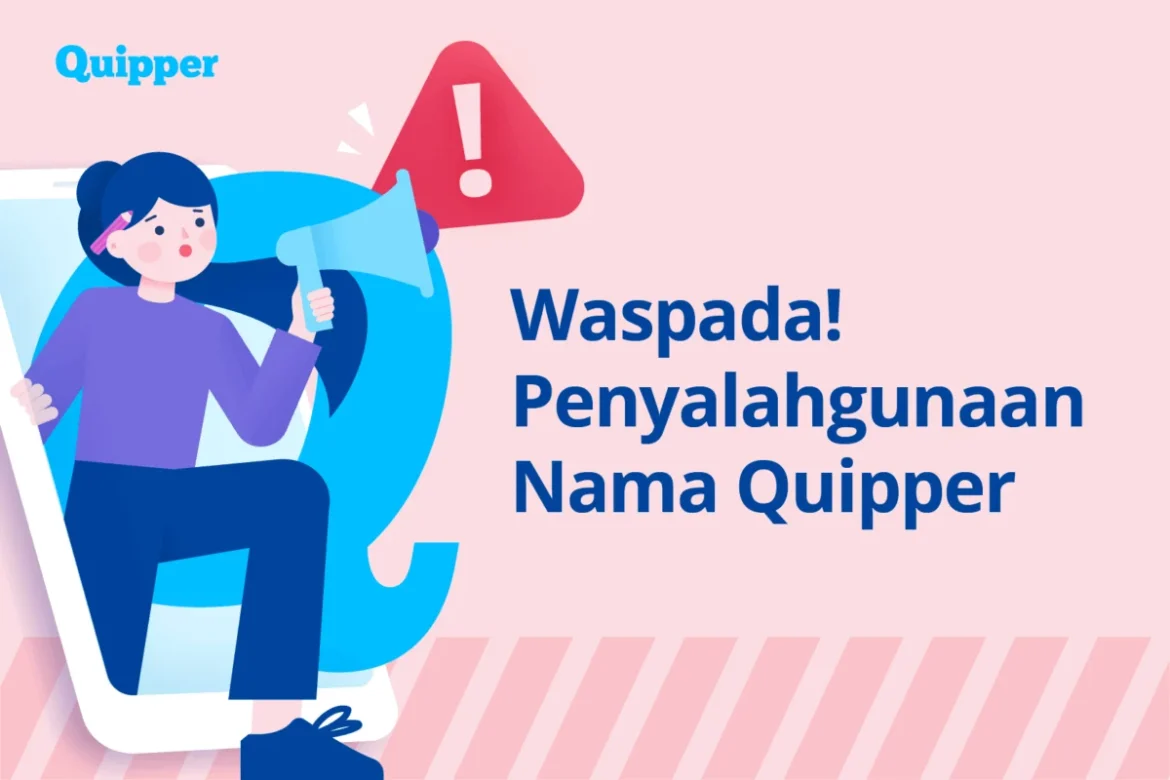
The management of PT Quipper Edukasi Indonesia, a prominent player in the Indonesian educational technology sector, has issued an urgent advisory to its user base, known as "Quipperian," regarding the unauthorized and fraudulent use of the company’s corporate identity. This warning comes amidst a rising trend of digital impersonation cases affecting major ed-tech platforms, prompting the organization to reinforce its cybersecurity protocols and communication integrity. The advisory underscores that unauthorized parties are increasingly leveraging the Quipper brand—including its official logo, corporate name, and proprietary design elements—to solicit information, conduct illicit transactions, or mislead students and educators.
The Surge of Digital Impersonation in Ed-Tech
The rapid digitization of education, accelerated by the global pandemic, has transformed the landscape for learning platforms. While this growth has democratized access to quality educational content, it has also created a lucrative ecosystem for bad actors. According to data from various cybersecurity firms specializing in Southeast Asian markets, phishing attacks and identity theft targeting educational services have seen a year-on-year increase of approximately 25%. These fraudulent activities typically involve the creation of deceptive websites, social media accounts, or messaging groups that mirror the aesthetic and branding of legitimate companies like Quipper to gain the trust of unsuspecting users.
For organizations like PT Quipper Edukasi Indonesia, the primary risk lies in the erosion of user trust. When a student or parent engages with a platform they believe to be an official extension of a trusted brand, they are more likely to disclose sensitive personal data or engage in financial transactions. If these interactions turn out to be fraudulent, the victim not only suffers direct harm but also develops a long-term apprehension toward legitimate digital learning tools.
Anatomy of the Fraudulent Tactics
The modus operandi of these impersonators usually involves a multi-stage approach. First, the attackers establish a presence on platforms like Telegram, WhatsApp, or Instagram, using stolen logos and corporate imagery to present themselves as "official representatives" or "partner branches" of the organization. They often promote fake scholarship programs, recruitment drives, or exclusive, low-cost premium access codes that require upfront payments or the submission of personal identity documents.
These schemes are designed to exploit the urgency of students and parents seeking educational advantages. By creating a false sense of scarcity or time-sensitive offers, the perpetrators pressure individuals into making impulsive decisions. Furthermore, the use of professional-looking but non-official domains makes it increasingly difficult for the average user to distinguish between genuine marketing communications and malicious attempts to capture user data.
Chronology and Escalation of Security Concerns
While the official warning from Quipper was issued in early 2025, the underlying issues have been brewing for several months. In late 2024, reports began surfacing within internal customer service channels regarding individuals claiming to represent the company in off-platform discussions. Initial investigations by the company’s internal security teams suggested that these were isolated incidents; however, by the first quarter of 2025, the volume of reports had reached a threshold that required a public-facing response.
The timeline of these events suggests a coordinated effort by external groups to capitalize on the start of the new academic term, a period when student activity on educational platforms typically spikes. The company’s decision to publish an official advisory acts as a critical mitigation step, intended to formalize the company’s stance and provide clear directives for users who may have already been contacted by these unauthorized parties.
Impact on the Ed-Tech Ecosystem
The implications of such fraudulent activities extend far beyond the immediate financial losses of individuals. From a macro-economic perspective, the proliferation of "brand squatting" and impersonation undermines the credibility of the entire Ed-Tech industry. Investors and stakeholders monitor these security trends closely, as the stability of a platform’s reputation is directly linked to its market valuation.
Moreover, there are significant data privacy implications. In many instances, the ultimate goal of these impersonators is not just immediate financial gain, but the accumulation of personal identifiable information (PII). This data can be sold on the dark web or used for further, more sophisticated social engineering attacks. For a company like Quipper, which handles substantial volumes of student data, the protection of its brand identity is synonymous with the protection of its users’ digital privacy.
Official Guidelines for User Safety
PT Quipper Edukasi Indonesia has reiterated that it does not conduct business through unauthorized channels. To ensure safety, the company strongly advises users to adhere to the following security best practices:
- Verification of Channels: All official communication from Quipper originates from verified email addresses, official social media accounts with blue checkmarks, and the main corporate domain. Any offer, recruitment, or promotion that directs users to obscure websites or non-official messaging groups should be treated with extreme caution.
- Financial Transactions: Legitimate payments for services are only processed through the official payment gateways integrated into the official Quipper platform. The company will never request transfers to private bank accounts or through anonymous payment apps.
- Data Sensitivity: Users should never share passwords, OTP (One-Time Password) codes, or personal identification documents with individuals claiming to be company representatives via phone calls or private chat apps.
- Reporting Mechanisms: If a user encounters a suspicious entity, they are encouraged to immediately report the occurrence to the official Quipper customer service channels. Providing screenshots, URLs, and the details of the communication helps the security team track and take down fraudulent assets.
Corporate Commitment and Future Outlook
The leadership at PT Quipper Edukasi Indonesia has emphasized that they are working in coordination with legal authorities and platform administrators to address these security challenges. By proactively notifying the public, the company aims to foster a "security-first" culture among its users. This educational approach is essential; technical defenses such as firewalls and encryption are only one side of the coin, while user awareness represents the other.
As the educational landscape continues to evolve, the challenge of maintaining brand integrity will likely remain a priority. Future efforts may include the implementation of more robust digital signatures for all outgoing communications, enhanced monitoring of social media for trademark infringement, and continued investment in user education campaigns.
The incident serves as a stark reminder that in an era of hyper-connectivity, the digital footprint of a corporation is as vulnerable as it is valuable. By maintaining transparency and encouraging proactive reporting, PT Quipper Edukasi Indonesia is positioning itself to not only protect its brand but to ensure that the educational experience of its users remains safe, secure, and untarnished by the actions of bad actors. The company continues to monitor the situation, promising to take necessary legal actions against those found violating its intellectual property rights and infringing upon the safety of its community. For now, the message to all Quipperian is clear: vigilance remains the most effective defense against the evolving threat of digital fraud.
