
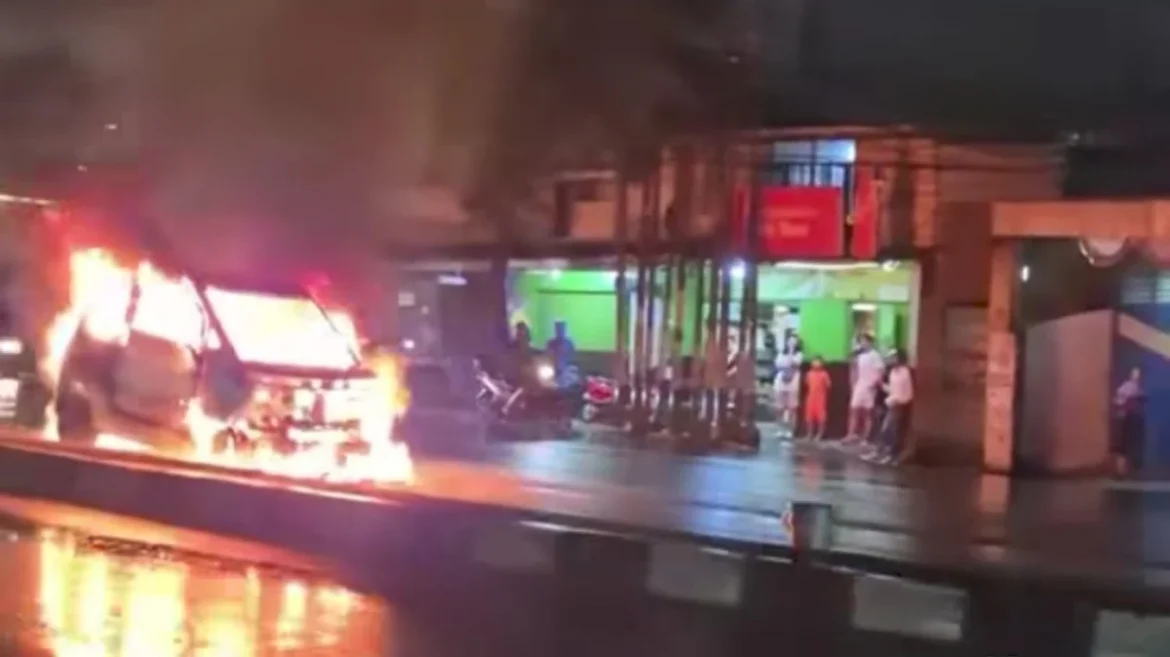
The rapid escalation in the adoption of electric vehicles (EVs) across Indonesia has necessitated a significant pivot in public safety infrastructure, particularly concerning emergency response capabilities. As battery-powered transportation becomes a staple on urban roads, the risk profile of fire incidents has evolved, demanding specialized equipment and tactical training for firefighters. In a strategic move to address these challenges, the Dinas Penanggulangan Kebakaran dan Penyelamatan (Gulkarmat) of DKI Jakarta has officially received a critical donation of Portex EV Fire Blankets, provided by PT FAST, to bolster the city’s readiness in managing high-intensity lithium-ion battery fires.
The handover, which took place in mid-September 2026, serves as a cornerstone for a broader initiative aimed at integrating advanced fire suppression technology with public awareness campaigns. This development underscores the proactive stance taken by both the public and private sectors in mitigating the unique thermal runaway risks associated with modern electric mobility.
The Technical Challenge of Lithium-Ion Battery Fires
To understand the necessity of this equipment, one must examine the fundamental differences between conventional internal combustion engine (ICE) fires and EV battery fires. Traditional vehicle fires are primarily fueled by flammable liquids such as gasoline or diesel. These fires are typically suppressed by cooling the fuel source and starving the fire of oxygen. Conversely, lithium-ion battery fires are characterized by a phenomenon known as "thermal runaway."
In a thermal runaway event, the internal cell temperature rises uncontrollably, leading to the release of flammable gases and intense heat. These fires are self-sustaining, as the battery contains its own oxidizer, making them notoriously difficult to extinguish using standard water-based methods or conventional foam. Furthermore, these fires are prone to reignition, sometimes occurring hours or even days after the initial incident has been brought under control.
The Portex EV Fire Blanket is engineered to address these specific hazards. By physically isolating the burning vehicle, the blanket cuts off the oxygen supply, effectively smothering the flames and preventing the spread of toxic smoke and hazardous gases to surrounding structures or vehicles. This containment strategy is vital in densely populated urban environments like Jakarta, where vehicle fires can quickly escalate into multi-structure catastrophes.
Chronology and Context of the Initiative
The provision of this equipment did not occur in isolation but was part of a larger, culturally nuanced series of events. The handover was integrated into the "Jelaga di Ujung Raya" art exhibition, hosted at the Galeri Zen1 in Menteng, Jakarta, from September 12 to October 13, 2026. This exhibition, a collaborative effort between LFK and artist Arkiv Vilmansa, utilized the motif of fire—both as a destructive force and a transformative tool for artistic creation.
During the event, three major artworks created using fire-based techniques were auctioned to raise funds. The proceeds were designated for dual humanitarian and environmental causes: providing relief for the victims of the devastating fire in the Adat Sade village, West Nusa Tenggara, and supporting the rehabilitation of wildlife affected by recent forest and land fires across the archipelago.
This intersection of art, disaster relief, and technological advancement highlights a multifaceted approach to safety. By linking the practical necessity of EV fire suppression with the emotional resonance of art-led charitable giving, the organizers sought to foster a societal dialogue on fire safety that extends beyond technical specifications to address community resilience.
Perspectives on Safety and Public Confidence
The Chairperson of the Indonesian Electric Vehicle Industry Association (Periklindo), Moeldoko, emphasized the critical importance of public confidence in the transition toward sustainable mobility. During his remarks on September 16, 2026, the former TNI Commander stressed that while the technological benefits of EVs are clear, the fear of fire incidents remains a barrier to widespread adoption.
"By fostering awareness and equipping our first responders with the correct tools, we are effectively removing the ‘anxiety factor’ for potential and current EV owners," Moeldoko noted. He further elaborated that the integration of safety education with creative mediums—such as the art exhibition—is a potent strategy to ensure that safety protocols are not just dry manuals, but part of the cultural consciousness of the nation.
From the perspective of Gulkarmat DKI Jakarta, the addition of specialized blankets is a welcome enhancement to their existing standard operating procedures. As the fleet of electric buses (TransJakarta) and private EVs continues to grow within the capital, the operational capacity to handle specialized incidents becomes a matter of municipal security.

Supporting Data and Industry Implications
The global shift toward electrification is reflected in Indonesia’s national statistics. As of 2026, the proliferation of electric motorcycles and passenger cars has surged, supported by government incentives, local manufacturing initiatives, and the expansion of charging infrastructure. However, with this growth comes the statistical reality of increased exposure to fire risks.
While EVs are statistically no more likely to catch fire than ICE vehicles, the nature of their fire is more demanding. International fire safety organizations have reported that an EV fire can require up to 30,000 to 40,000 liters of water to fully extinguish if not contained early, compared to roughly 1,000 to 2,000 liters for a conventional vehicle. The use of a fire blanket can reduce this water consumption significantly, minimizing the environmental impact of runoff water, which can be contaminated with heavy metals and toxic chemicals from the battery.
Analysis: The Future of Urban Fire Response
The deployment of the Portex EV Fire Blanket is just one piece of a much larger, necessary puzzle for urban planning in Indonesia. Looking forward, the implications of this initiative suggest a move toward more specialized disaster management:
- Infrastructure Readiness: Urban areas must transition from traditional fire stations to "smart" fire stations capable of storing and deploying specialized equipment tailored for high-voltage hazards.
- Training and Certification: The personnel of Gulkarmat require ongoing training that focuses on the chemistry of battery fires and the specific protocols for handling high-voltage systems safely.
- Public Awareness: As the general public becomes more familiar with the hazards of lithium-ion batteries—not just in vehicles, but in household electronics and power tools—public education campaigns must be sustained.
- Regulatory Frameworks: There is a clear need for national standards regarding the storage and disposal of damaged batteries, as well as clear guidelines for parking structures to incorporate fire-suppression systems that account for EVs.
The recent fire incident in a warehouse complex in Kosambi, Tangerang, which destroyed 20 structures, serves as a sobering reminder of the volatility of urban fire risks. While that specific incident was not directly linked to EV technology, it highlights the vulnerability of the logistics and transport sectors in the greater Jakarta area. Ensuring that firefighters are equipped to handle any type of ignition, whether it be from traditional fuels or the emerging risks of the energy transition, is paramount.
Conclusion
The collaboration between PT FAST, the art community, and the Jakarta Fire Department represents a sophisticated model for public-private partnership. By combining technical hardware with social awareness, the stakeholders are building a more resilient infrastructure that can support the technological evolution of the automotive sector.
As Indonesia continues to pursue its goal of becoming a major hub for the electric vehicle ecosystem in Southeast Asia, the focus on safety must remain absolute. The introduction of the Portex EV Fire Blanket is a clear indicator that the nation is not only prepared to embrace the future of mobility but is also committed to ensuring that such progress is grounded in the highest standards of safety, public welfare, and professional preparedness. The path toward an electrified future is inherently linked to our ability to mitigate the risks that come with it, and this initiative stands as a testament to that ongoing commitment.
