
The modern digital landscape has increasingly transformed social media platforms into powerful vehicles for personal storytelling, medical advocacy, and public health awareness. Recently, the digital sphere in Indonesia has been deeply moved by the harrowing yet inspiring journey of a young man from West Jakarta who has spent more than half of his life battling end-stage renal disease. Richard Lie, now 32 years old, captured widespread public attention by courageously sharing his lifelong battle with chronic kidney failure on various social media platforms. Diagnosed at the tender age of 16, Richard’s narrative transcends a simple personal health struggle; it serves as a stark reminder of the insidious nature of chronic illnesses, the psychological resilience required to endure lifelong medical treatments, and the critical need for early health screenings among adolescents and young adults.
Chronic kidney disease (CKD) and its terminal stage, end-stage renal disease (ESRD), have traditionally been associated with older populations, particularly those suffering from long-standing hypertension, type 2 diabetes mellitus, or cardiovascular complications. However, Richard’s case shatters these conventional stereotypes, highlighting that severe renal degradation can strike individuals early in life due to lesser-known physiological factors such as autoimmune disorders. By openly detailing his daily routines, dietary restrictions, and the psychological toll of regular hemodialysis, Richard has cultivated a digital community focused on health education, empathy, and early detection, transforming his personal adversity into a beacon of hope for thousands of others facing similar medical diagnoses.
The Chronology of a Sudden Diagnosis
The timeline of Richard Lie’s medical ordeal began in 2010, a period of his life that should have been defined by the typical milestones of adolescence and high school education. Instead, his teenage years were abruptly upended by subtle, yet alarmingly severe, physiological symptoms. Initially, Richard experienced unexplained episodes of rapid and intense heart palpitations, particularly during periods of physical activity. These symptoms escalated to the point where he could no longer lie flat to sleep; instead, he was forced to adopt an upright, seated position throughout the night simply to ease his breathing—a classic clinical sign of orthopnea, frequently linked to severe fluid overload and cardiac stress.
Though these initial alarming symptoms experienced temporary periods of remission, they inevitably returned with greater intensity, prompting his mother to take him to a regional hospital for a comprehensive medical evaluation. The diagnostic findings that followed were nothing short of catastrophic for a healthy-looking teenager.
"Doctors were shocked because my blood pressure at the time was an astronomical 240 over 140," Richard recalled in one of his widely shared digital video testimonies. "When I tried to breathe, it felt as though absolutely no oxygen was entering my body. I experienced a suffocating sensation that was beyond description."
Subsequent diagnostic tests—including blood panels, urinalysis, echocardiograms, and renal imaging—revealed advanced, irreversible renal damage. The impairment of his kidney function had triggered severe secondary complications, most notably left ventricular hypertrophy, or the abnormal enlargement of the heart muscle, caused by the prolonged, untreated hypertension. Furthermore, his lungs had become congested with fluid, a condition known clinically as pulmonary edema, which explained his severe respiratory distress. Within a remarkably short window of time, the teenager was transitioned from acute stabilization protocols straight into chronic renal replacement therapy, officially beginning a lifelong dependency on hemodialysis.
Unraveling the Etiology: The Autoimmune Connection
One of the most confounding aspects of Richard’s initial diagnosis was the stark contradiction between his active, healthy lifestyle and the catastrophic failure of his vital organs. Unlike stereotypical profiles of chronic kidney disease patients, Richard reported no history of smoking, alcohol consumption, substance abuse, or sedentary living. Furthermore, he engaged in regular physical exercise and maintained a standard adolescent diet. This left both him and his family grappling with a difficult question: How could a seemingly pristine and healthy body suffer complete renal collapse at age 16?
The medical investigation eventually pointed toward glomerulonephritis linked to an underlying autoimmune response. Glomerulonephritis refers to the inflammation of the glomeruli—the microscopic clusters of blood vessels in the kidneys responsible for filtering wastes, excess fluids, and electrolytes from the bloodstream. When these delicate filtering units become chronically inflamed due to autoimmune misdirection—wherein the body’s immune system mistakenly attacks its own healthy tissues—they gradually scar and lose their functional capacity. Over time, this cumulative damage leads to progressive nephron destruction, ultimately culminating in end-stage renal disease.
Unlike lifestyle-induced renal decline, which is heavily correlated with dietary habits, metabolic syndrome, and poor glycemic control, autoimmune-driven glomerulonephritis often progresses silently and rapidly. In pediatric and adolescent populations, such autoimmune conditions can be particularly aggressive because the early signs are frequently misattributed to common adolescent fatigue, routine stress, or minor viral infections. By the time systemic symptoms like high blood pressure and pulmonary edema manifest, a significant percentage of renal architecture has already been permanently compromised.
The Reality of Lifelong Hemodialysis and Mental Resilience
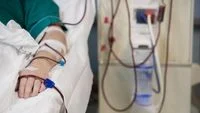
Navigating sixteen years of routine hemodialysis is an undertaking that demands extraordinary physical endurance and unyielding psychological fortitude. For Richard Lie, the weekly schedule involves spending countless hours attached to blood-filtering dialysis machines—a procedure that artificially performs the critical filtration functions his failed kidneys can no longer execute. Hemodialysis cleanses the blood of toxins such as urea and creatinine, removes excess fluid, and helps balance essential minerals like potassium, sodium, and calcium, but it is far from a cure; it is a grueling, life-sustaining routine.
The physical toll of chronic dialysis is compounded by profound mental health challenges. Patients frequently battle chronic fatigue, strict fluid intake restrictions, dietary limitations, and the constant awareness of their body’s vulnerability. For an adolescent transitioning into adulthood, the psychological burden can be devastating. Social isolation, anxiety regarding career prospects, and the constant navigation of medical expenses form an exhausting backdrop to daily life.
Yet, Richard’s public narrative emphasizes that managing psychological well-being is just as critical as adhering to clinical prescriptions. In his social media content, he frequently underscores the importance of maintaining emotional resilience, cultivating a positive outlook, and aggressively managing stress. Support systems—comprising family members, friends, and an increasingly empathetic digital community—play an instrumental role in his journey. By sharing his vulnerabilities, setbacks, and victories online, Richard has built an interactive support network that helps mitigate the profound feelings of isolation often experienced by chronic illness patients.
Broader Implications and Public Health Perspectives
Richard Lie’s viral story arrives at a crucial juncture for Indonesia’s healthcare landscape, shedding light on the broader national and global implications of chronic kidney disease. In recent decades, public health data has consistently shown a concerning epidemiological shift in renal disorders. While metabolic conditions like diabetes and hypertension remain the leading causes of kidney failure among adults, the incidence of early-onset chronic kidney disease—driven by genetic predispositions, congenital abnormalities, and autoimmune pathologies—demands greater clinical vigilance and public health prioritization.
Medical professionals and nephrology associations stress that early screening remains the single most effective tool in mitigating the devastating impact of renal disease. Routine health checks that include simple blood pressure measurements, serum creatinine tests, and basic urinalysis can detect early signs of kidney damage long before symptoms such as severe hypertension or pulmonary edema manifest. Unfortunately, routine preventive health screenings remain underutilized among healthy adolescents and young adults, largely due to a widespread societal misconception that serious chronic illnesses are exclusively concerns of advanced age.
Furthermore, the viral nature of Richard’s narrative underscores the transformative power of patient-led advocacy in modern medicine. Traditional health campaigns by government bodies and medical institutions often struggle to reach younger demographics effectively. In contrast, peer-to-peer digital storytelling creates an immediate, visceral connection. By demystifying procedures like hemodialysis and speaking candidly about the emotional realities of chronic illness, content creators like Richard are bridging the communication gap between the medical community and the general public.
As Richard Lie continues his journey—balancing his ongoing medical treatments with his newfound role as a digital health advocate—his story serves as both a cautionary tale and an inspiring testament to human resilience. It challenges society to look beyond superficial appearances of health, highlights the critical necessity of listening to subtle physiological warning signs, and emphasizes that chronic illness, while life-altering, does not preclude a purposeful and impactful existence.
