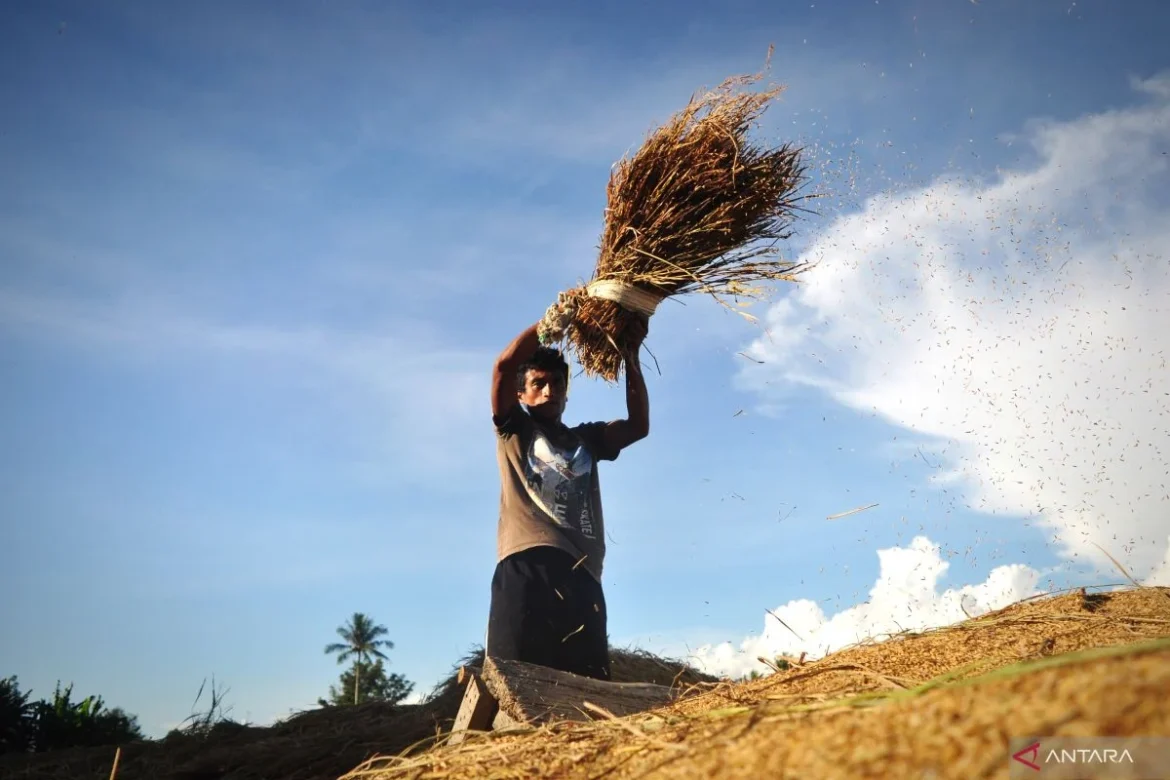
Indonesia is making significant strides in its pursuit of renewable energy innovation with the unveiling of Bobibos, a groundbreaking alternative fuel derived from agricultural waste, particularly rice straw. This development, spearheaded by PT Inti Sinergi Formula, represents a potential paradigm shift in the nation’s energy landscape, offering a sustainable and environmentally conscious solution while simultaneously fostering economic growth in rural communities.
The official introduction of Bobibos took place on Sunday, November 2nd, in Jonggol, Bogor Regency, West Java. The name itself, "Bobibos," is an acronym for "Bahan Bakar Original Buatan Indonesia Bos," translating to "Original Fuel Made by Indonesian Boss." This inventive fuel falls under the category of Biofuel (Bahan Bakar Nabati – BBN) and is the result of over a decade of dedicated research by M. Ikhlas Thamrin and his dedicated research team.
The Science Behind Bobibos: From Straw to Super Fuel
At its core, Bobibos is engineered through a proprietary bioenergy process that involves the integration of a specially formulated serum. This transformative procedure converts ordinary rice straw, a material often discarded and burned after harvest, into a high-performance fuel. The company claims that Bobibos achieves a Research Octane Number (RON) of 98, placing it in the premium fuel category and rivaling the performance of conventional gasoline.
Crucially, Bobibos is positioned as an environmentally superior alternative. Its production and combustion process are designed to significantly reduce exhaust emissions, with claims of emissions approaching zero. This starkly contrasts with the substantial carbon footprint associated with fossil fuels, positioning Bobibos as a key player in Indonesia’s efforts to combat climate change and improve air quality. The implications of such a low-emission fuel are far-reaching, potentially impacting urban air pollution levels and Indonesia’s commitment to international climate agreements.
A Decade-Long Quest for Energy Independence
The genesis of Bobibos lies in Indonesia’s long-standing ambition to curtail its reliance on imported energy sources. For over ten years, Ikhlas Thamrin has been engaged in independent research, driven by a vision to harness the country’s abundant local resources for energy production. The choice of rice straw as the primary feedstock is strategic. Indonesia is a major rice-producing nation, resulting in vast quantities of straw generated annually. This readily available and low-cost raw material makes the production of Bobibos economically viable and scalable.
The efficiency of straw utilization and its abundant supply contribute to a potentially lower production cost compared to other biofuel feedstocks. PT Inti Sinergi Formula aims to translate these cost savings into a competitive retail price, making Bobibos a financially attractive option for consumers and industries alike, potentially challenging the dominance of established fossil fuel markets.
Economic Empowerment for Farmers: Turning Waste into Wealth
Beyond its energy implications, Bobibos presents a significant economic opportunity for Indonesian farmers. Agricultural waste, which has historically held little to no monetary value and often posed disposal challenges, is now being reimagined as a valuable commodity. By transforming this waste into a marketable product, farmers can unlock a new revenue stream, supplementing their income from traditional crop cultivation. This integration of waste management and energy production creates a virtuous cycle, enhancing the economic sustainability of the agricultural sector.
The potential for additional income can empower rural communities, reduce rural-to-urban migration, and foster greater economic resilience within these regions. This aligns with national development goals that emphasize inclusive growth and poverty reduction.
Versatile Application: Fueling Indonesia’s Diverse Needs
Bobibos is being rolled out in two primary variants: gasoline and diesel. This dual-product approach ensures broad applicability across Indonesia’s diverse transportation and industrial sectors. The fuel is reportedly compatible with a wide range of engines and machinery, including:
- Motorcycles: A ubiquitous mode of transport in Indonesia, offering a greener alternative for daily commutes.
- Cars and Trucks: Catering to the broader automotive sector, potentially impacting logistics and personal transportation.
- Tractors and Agricultural Machinery: Directly supporting the agricultural sector, reducing operational costs for farmers.
- Fishing Boats: Providing a more sustainable fuel option for the vital fishing industry, which is crucial for coastal communities.
- Small-scale Industrial Engines: Supporting the operations of small and medium-sized enterprises (SMEs) that form the backbone of the Indonesian economy.
This versatility suggests that Bobibos could quickly integrate into existing fuel distribution networks and consumer habits, accelerating its adoption.
Field Tests and Endorsements: Early Signs of Success
The efficacy and performance of Bobibos have undergone rigorous testing, with promising results. Governor of West Java, Dedi Mulyadi, personally participated in a field test, utilizing Bobibos in a diesel tractor engine at Lembur Pakuan. His observations indicated optimal engine performance, characterized by lighter operation and cleaner exhaust emissions. Such endorsements from high-ranking officials lend significant credibility to the innovation and signal potential government support for its wider implementation.
The positive reception has extended beyond governmental figures. H. Amir Mahpud, owner of PT Primajasa, a prominent bus operator in the Jabodetabek and West Java regions, has expressed his readiness to collaborate and integrate Bobibos into his company’s fleet. This commitment from a major transportation player underscores the commercial viability and potential scalability of the fuel. Such industry partnerships are crucial for demonstrating market demand and driving further investment in renewable energy solutions.
Broader Economic and Environmental Implications
The production of Bobibos extends beyond fuel generation, creating a comprehensive bio-economy. It is estimated that each hectare of paddy field can yield up to 3,000 liters of fuel. Furthermore, the production process generates valuable by-products, including animal feed and organic fertilizer. This multi-faceted output transforms agricultural land into a resource hub, contributing to national food security, animal husbandry, and sustainable agriculture practices.
This integrated approach has the potential to establish a truly circular economy within Indonesia’s agricultural sector. Farmers would not only be producers of food but also active contributors to the nation’s energy, animal feed, and fertilizer supplies. This model fosters a more resilient and self-sufficient national economy, less susceptible to global commodity price fluctuations and supply chain disruptions.
Contextualizing Bobibos within Indonesia’s Renewable Energy Landscape
The development of Bobibos aligns with Indonesia’s broader national strategy to diversify its energy sources and reduce greenhouse gas emissions. The government has been actively promoting renewable energy initiatives, including biofuels, solar power, and geothermal energy, as part of its long-term energy security and climate action plans.
Recent government policies and international collaborations have emphasized the importance of bioenergy. For instance, discussions around developing bio-based ethanol fuels with Brazil highlight a commitment to expanding the bioenergy sector. Similarly, the government’s encouragement for research into bioavtur (bio-jet fuel) from used cooking oil by Pertamina signifies an open-minded approach to utilizing diverse organic waste streams for energy production.
However, challenges remain in scaling up renewable energy solutions. These include ensuring consistent feedstock supply, developing robust distribution infrastructure, securing adequate investment, and navigating regulatory frameworks. The success of Bobibos will depend on its ability to overcome these hurdles and demonstrate its long-term viability.
A Timeline of Innovation and Development
While the article states the introduction date as November 2nd, the research and development for Bobibos have been ongoing for over a decade. This long gestation period, driven by M. Ikhlas Thamrin’s personal commitment, underscores the complexity and dedication required for such significant scientific breakthroughs. The timeline can be broadly outlined as:
- Over 10 Years Ago: M. Ikhlas Thamrin begins independent research into alternative energy sources derived from local Indonesian raw materials, with a focus on agricultural waste.
- Ongoing Research and Development: Intensive experimentation with bioenergy processes and the development of a "special serum" to transform rice straw into high-performance fuel.
- Pre-Introduction Testing: Rigorous laboratory and field testing of Bobibos variants (gasoline and diesel) to assess performance, emissions, and compatibility with various engines.
- November 2nd: Official introduction and demonstration of Bobibos in Jonggol, Bogor Regency, West Java. This event includes public demonstrations and official endorsements.
- Post-Introduction Phase: Initial collaborations with industry partners like PT Primajasa are established, signaling the beginning of commercialization efforts and broader market penetration.
- Future Projections: Expansion of production capacity, development of wider distribution networks, and continued research into further optimization and diversification of by-products.
Analyzing the Implications of Bobibos
The successful widespread adoption of Bobibos could have profound implications for Indonesia:
- Enhanced Energy Security: Reduced reliance on imported fossil fuels will strengthen Indonesia’s energy independence and insulate it from global price volatility.
- Environmental Benefits: Significant reduction in air pollution and greenhouse gas emissions, contributing to national climate goals and improving public health.
- Rural Economic Development: Creation of new income opportunities for farmers and the revitalization of rural economies.
- Circular Economy Advancement: Promotion of sustainable resource management and the creation of a more integrated and resilient national economy.
- Technological Leadership: Positioning Indonesia as a leader in innovative renewable energy solutions derived from agricultural waste.
Challenges and the Road Ahead
Despite the promising outlook, the journey for Bobibos is not without its challenges. Scaling up production to meet national demand will require substantial investment in infrastructure and logistics. Ensuring the sustainability of rice straw collection and processing, particularly during peak harvest seasons, will be critical. Furthermore, regulatory support, including potential subsidies or preferential policies, will be vital to accelerate its adoption and compete effectively with established fossil fuels.
The long-term environmental impact of large-scale straw utilization also warrants continuous monitoring, although initial indications suggest a net positive effect compared to current waste management practices. Public awareness campaigns and educational initiatives will be necessary to foster consumer acceptance and understanding of this novel fuel.
In conclusion, Bobibos represents a significant leap forward in Indonesia’s quest for sustainable energy. Its ability to transform agricultural waste into a high-performance, eco-friendly fuel, coupled with its potential to uplift rural economies, positions it as a transformative innovation with the capacity to reshape Indonesia’s energy future and contribute positively to its environmental and economic well-being. The coming years will be crucial in determining the full impact and enduring success of this homegrown energy solution.