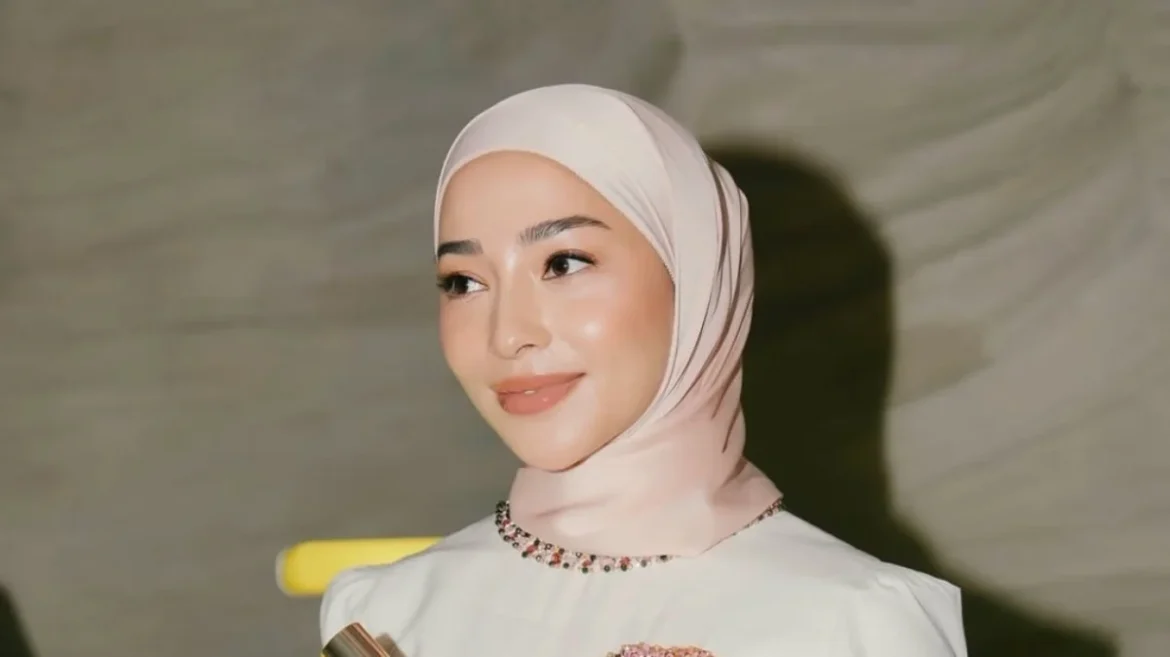
The spiritual journey of prominent Indonesian actress and mother of two, Nikita Willy, has captured public attention following her revelations about a profound period of self-reflection that ultimately strengthened her commitment to Islam and her decision to consistently wear the hijab. Behind the polished public persona of one of Indonesia’s most enduring entertainment figures lies a quiet, rigorous internal quest for faith—one that transitioned her religious identity from a matter of generational inheritance to a deeply personal conviction. Her narrative sheds light on a broader cultural phenomenon among contemporary public figures in Southeast Asia who navigate modern celebrity culture while actively seeking spiritual authenticity.
Main Facts and the Catalyst for Reflection
The turning point in Nikita Willy’s recent spiritual evolution occurred relatively recently, specifically tracing back to December 2025. Known for her extensive career in Indonesian soap operas, films, and digital content, Nikita shared these deeply personal insights during a podcast appearance on the YouTube channel Suara Berkelas. Her reflections centered on a fundamental philosophical inquiry regarding her practice of faith: understanding not just the mechanics of Islamic rituals, but the foundational rationale behind them.
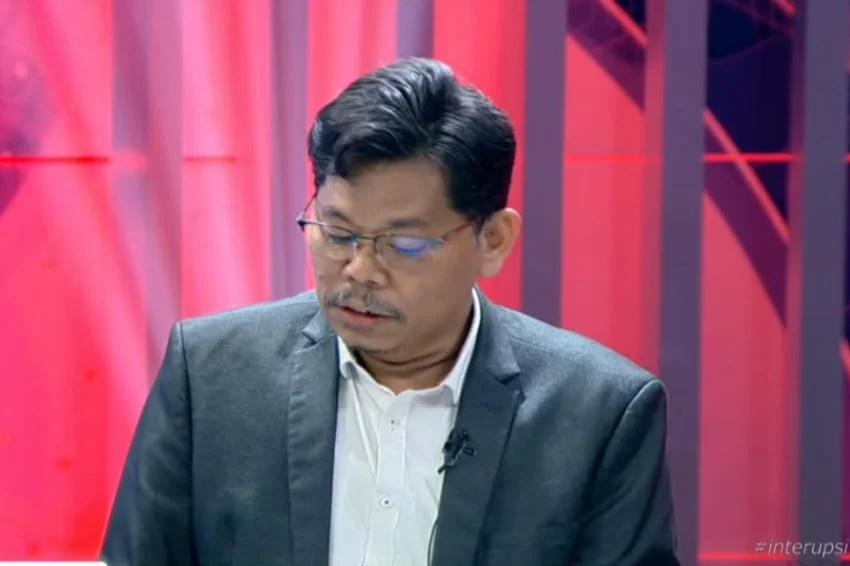
During her discussion with religious content creators Hawariyyun and his wife, Dena Haura, Nikita was confronted with a deceptively simple yet piercing question that would alter her theological perspective. The core of the dialogue focused on the distinction between ritual execution and spiritual comprehension—specifically, knowing how to perform daily prayers versus understanding the ultimate purpose behind those prayers. This encounter served as the primary catalyst for a months-long period of intensive introspection, compelling her to re-evaluate the very roots of her religious beliefs.
Chronology of a Spiritual Awakening
To fully understand Nikita Willy’s transition, it is essential to examine the chronology of her evolving relationship with Islam over the years. Growing up in the public eye since her early childhood, Nikita’s life has been meticulously documented by media outlets and fans alike.
In her earlier years, her adherence to Islamic practices largely reflected the cultural norm of her upbringing. Like millions of Muslims born into practicing families, her identity as a Muslim was structurally tied to her parents’ heritage. For a long time, acknowledging her faith was an automatic response to demographic and familial background rather than an outcome of independent philosophical inquiry.
The pivotal shift began in December 2025 during the aforementioned podcast recording. The dialogue exposed a gap in her understanding of religious obligations. Up to that point, her practice of ritual prayers (salah) was maintained out of habit and tradition. The realization that she had never fundamentally questioned why she was a Muslim triggered an intense intellectual and spiritual quest.
Following this realization, Nikita embarked on a deliberate educational journey. She sought out Islamic study circles, lectures, and religious scholars who could bridge the gap between traditional practices and modern existential inquiries. Rather than relying on inherited assumptions, she sought to establish a direct, unmediated intellectual and spiritual relationship with Allah SWT. By early 2026, this ongoing process of education and self-discovery began to bear fruit, culminating in a renewed sense of clarity that subsequently influenced her lifestyle choices, including her decision to adopt the hijab more consistently.
Broader Context of Celebrity Spirituality in Indonesia
Nikita Willy’s public sharing of her spiritual transition occurs within a unique socio-cultural landscape in Indonesia, the world’s most populous Muslim-majority nation. In recent years, the Indonesian entertainment industry has witnessed a notable trend where prominent public figures—ranging from actors and musicians to social media influencers—undergo visible spiritual transformations, often referred to locally as hijrah.
This movement is characterized by a conscious return to core religious values, often manifested through changes in attire, selection of entertainment projects, and public engagement with religious discourse. However, Nikita’s case stands out due to its intellectual rigor. Rather than framing her transition merely as a sudden emotional reaction or a response to peer pressure, she explicitly emphasizes the philosophical necessity of questioning, learning, and personal conviction.
Sociologists and cultural analysts note that contemporary Indonesian youth and public figures increasingly demand intellectual engagement with religion. As globalization and digital connectivity expose individuals to diverse worldviews, inherited faith often faces internal scrutiny. Nikita’s public admission that she once questioned why she was a Muslim—and her subsequent journey to find an independent answer—resonates deeply with a demographic that values authenticity over blind tradition.
Implications for Personal Practice and Lifestyle
The resolution of her existential questions had an immediate, transformative effect on Nikita Willy’s daily life and religious observance. According to the actress, once she resolved her internal doubts and established a conceptual framework for her faith, the execution of religious duties shifted from an obligation to a source of inner peace.
In Islamic jurisprudence and theology, intention (niyyah) and understanding (ma’rifah) are paramount. Nikita’s account underscores how intellectual clarity facilitates spiritual compliance. When the "big question mark" regarding her religious identity was replaced by definitive answers derived from focused study, adhering to religious laws—such as modest dressing and regular prayers—became effortless rather than burdensome.
This transition also aligns with her evolving role as a mother. Balancing a high-profile career with raising two children, Nikita has frequently shared insights into her parenting philosophy. Her pursuit of a deeper understanding of Islam directly influences how she intends to guide the next generation, ensuring that her children develop a faith rooted in personal comprehension rather than mere imitation.
Public and Media Reactions
The publication of Nikita Willy’s spiritual journey has generated widespread discussion across Indonesian digital platforms. Fans and fellow celebrities have flooded social media channels with supportive messages, praising her vulnerability and intellectual honesty. Discussing doubts regarding faith remains a sensitive topic in many conservative religious societies; however, Nikita’s framing—which moves from doubt to structured learning and stronger faith—has been widely praised by religious commentators as a positive model of spiritual inquiry.
Media analysts point out that public figures sharing these narratives humanize the concept of religious devotion. By admitting that she had to "reintroduce herself to God," Nikita dismantled the unrealistic expectation that religious certainty is static or inherited automatically without personal effort.
Fact-Based Analysis of the Phenomenon
Examining this event through a sociological lens reveals several key takeaways regarding modern religious expression among Indonesian celebrities:
- Shift from Traditionalism to Individualism: Modern education and digital accessibility encourage individuals to validate their beliefs independently. Nikita’s journey reflects a broader shift where personal verification supersedes traditional conformity.
- The Role of Digital Media in Religious Education: Platforms like YouTube have transformed how religious knowledge is disseminated. Podcasts featuring Islamic scholars and practitioners now serve as primary vehicles for theological discussion, reaching audiences that might not otherwise attend traditional study sessions (pengajian).
- The Normalization of Theological Inquiry: By publicly discussing her initial lack of foundational understanding, Nikita normalizes the process of questioning within a faith framework, demonstrating that intellectual curiosity is compatible with devout practice.
Conclusion
Nikita Willy’s transition from an inherited religious identity to a self-discovered spiritual conviction marks a significant chapter in her public and personal life. Through a process of deep contemplation, targeted learning, and a willingness to confront fundamental questions about her faith, she has redefined her relationship with Islam. As she continues to navigate her career, motherhood, and personal growth, her journey serves as a compelling case study of contemporary spirituality in the digital age—proving that true devotion is often strongest when it is thoroughly examined and deliberately chosen.