
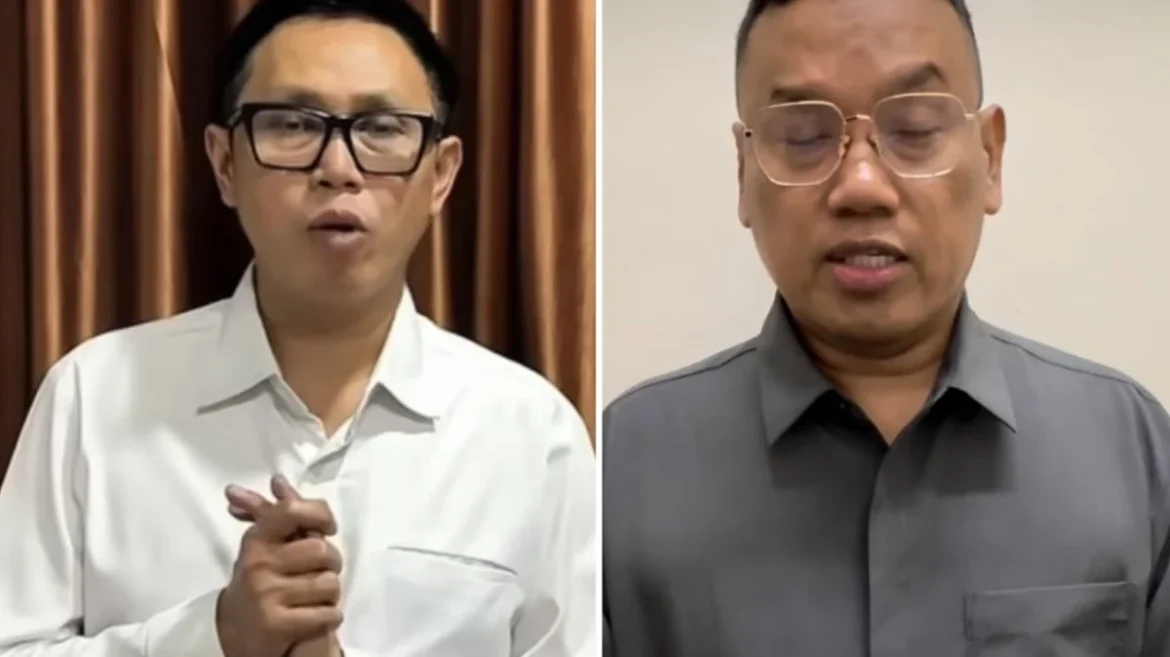
The political landscape in Indonesia continues to evolve, and the recent confirmation regarding the non-active status of two prominent public figures, Eko Hendro Purnomo, widely known as Eko Patrio, and Surya Utama, or Uya Kuya, from their positions as members of the House of Representatives (DPR RI) has drawn significant attention. On Wednesday, October 22, 2025, the National Mandate Party (PAN), their political affiliation, reiterated that both Eko Patrio and Uya Kuya remain non-active members, a status that has been in effect since September 1, 2025. This development, conveyed by PAN’s Deputy Chairman Eddy Soeparno, signals ongoing internal party discussions and adjustments within the broader context of Indonesia’s parliamentary dynamics and the recently formed government under President Prabowo Subianto.
Confirmation from PAN Leadership
Deputy Chairman of PAN, Eddy Soeparno, delivered the official update to reporters on October 22, 2025, confirming the unchanged status of the two celebrity-turned-politicians. "As of now, the Central Executive Board (DPP) of PAN maintains the status of our members as non-active," Soeparno stated. He further elaborated that any future developments or changes regarding Eko Patrio and Uya Kuya’s parliamentary roles would hinge on directives from the party’s General Chairman (Ketum), Zulkifli Hasan, and would subsequently be communicated to the leadership of the PAN faction in the DPR RI. This hierarchical process underscores the centralized decision-making structure within PAN and the importance of leadership consensus in matters concerning high-profile party members. The statement from Soeparno, who also serves as the Deputy Speaker of the People’s Consultative Assembly (MPR RI), lends significant weight to the official party position, emphasizing the seriousness with which PAN is handling the matter.
Chronology of Events Leading to Non-Active Status
The initial announcement regarding the non-active status of Eko Patrio and Uya Kuya was made through a press statement issued by the DPP PAN on Sunday, August 31, 2025. This statement, which was signed by both General Chairman Zulkifli Hasan and another Deputy Chairman, Viva Yoga Mauladi, stipulated that their non-active status as DPR RI members from the PAN Faction would be effective starting Monday, September 1, 2025. The swiftness of the implementation following the announcement indicated a well-considered and decisive move by the party leadership.
The press release from August 31, 2025, notably mentioned that the decision was made after "observing current dynamics and developments." While the specific details of these "dynamics and developments" were not explicitly outlined, the statement also included an appeal for the public to "remain calm and patient and trust the administration of President Prabowo Subianto." This particular phrasing suggests that the party’s decision might be linked to broader political considerations, potentially aimed at maintaining stability, consolidating support for the new government, or addressing internal party cohesion in a post-election environment. The party further asserted its commitment to always side with the people alongside the government, reinforcing its alignment with the new presidential administration. The period between the initial announcement and the latest confirmation on October 22, 2025, has been marked by a lack of public statements from Eko Patrio or Uya Kuya themselves, suggesting adherence to party discipline or an ongoing internal dialogue.
Background of the Figures: From Entertainment Icons to Legislators
Eko Hendro Purnomo, widely known as Eko Patrio, has been a household name in Indonesian entertainment for decades. He rose to prominence as a comedian, actor, and television personality, a career that established him as a beloved public figure. His transition into politics began in 2009 when he was elected as a member of the DPR RI representing the East Java VIII electoral district. Eko Patrio quickly became one of the most recognizable faces in the legislature, leveraging his public appeal to connect with constituents. He has served multiple terms in the DPR, demonstrating a sustained political career beyond his entertainment roots. His longevity in parliament underscores his ability to adapt to the political arena and maintain a voter base.
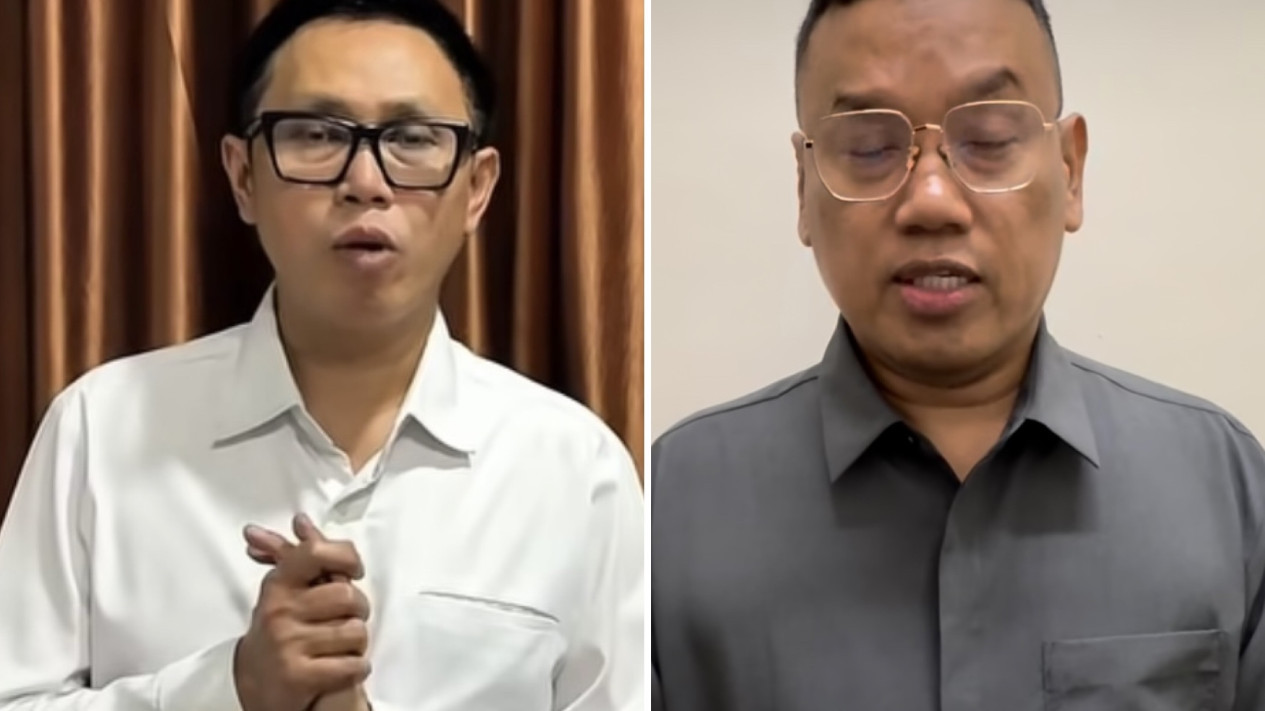
Surya Utama, or Uya Kuya, similarly carved out a significant career in the entertainment industry as a mentalist, television presenter, and producer. Known for his charismatic and often controversial on-screen persona, Uya Kuya gained a massive following, particularly among younger audiences. His entry into politics was more recent compared to Eko Patrio, being elected to the DPR RI in the 2019 general election, representing the Jakarta II electoral district. His presence in parliament brought a new dimension, attracting media attention and often sparking discussions about the role of celebrity politicians in shaping public discourse and policy. Both Eko and Uya represent a common phenomenon in Indonesian politics where popular entertainers transition into legislative roles, often bringing with them significant public recognition and an established fan base. This trend highlights the unique interplay between celebrity culture and political representation in the country.
The Role of PAN and Party Discipline in the DPR RI
Partai Amanat Nasional (PAN) is a significant political party in Indonesia, known for its moderate nationalist and reformist stance. As a member of the coalition supporting the new government of President Prabowo Subianto, PAN plays a crucial role in maintaining political stability and supporting the administration’s agenda. The party’s decision to non-activate two of its high-profile members reflects the intricate mechanisms of party discipline and parliamentary governance within Indonesia’s political system.
Political parties in Indonesia wield substantial power over their members in the DPR RI. They are responsible for nominating candidates, assigning positions within parliamentary committees, and often dictating voting patterns. The ability to "non-activate" or even recall members (Penggantian Antar Waktu – PAW) is a powerful tool used by parties to ensure loyalty, uphold party ideology, and address issues of misconduct or insubordination. This disciplinary power is enshrined in Indonesian law and party statutes, allowing party leadership to manage their parliamentary factions effectively. For PAN, this action could be seen as an assertion of party authority and a signal that internal coherence and alignment with the party’s strategic direction are paramount, especially during a period of governmental transition and consolidation. It demonstrates that even highly popular figures are subject to party rules and leadership decisions.
Understanding "Non-Active" Status in the Indonesian Parliament
The term "non-active" status, while not explicitly defined in all parliamentary regulations, generally implies a temporary suspension of a legislator’s duties and privileges without outright dismissal. In the context of the Indonesian DPR RI, a non-active member typically means:
- Suspension of Duties: The member is temporarily relieved of their responsibilities in parliamentary committees, legislative sessions, and other official functions.
- Cessation of Benefits: While the legal specifics can vary, non-active status often entails a suspension of parliamentary salary, allowances, and other benefits associated with the position.
- Party Decision: This status is usually an internal party decision, distinct from a formal recall (PAW) process which would lead to a permanent replacement.
- Potential for Reinstatement: Unlike a full dismissal, a non-active status often carries the possibility of reinstatement, depending on the resolution of the underlying issues that led to the decision and further directives from party leadership.
This status allows the party to manage internal issues without immediately triggering the complex and often politically sensitive process of a full parliamentary recall. It provides a degree of flexibility for the party to address concerns, conduct internal investigations, or await specific political developments before making a permanent decision. The fact that Eddy Soeparno mentioned waiting for "arahan selanjutnya dari ketua umum" (further directives from the general chairman) reinforces the temporary and reviewable nature of this non-active designation. This mechanism allows parties to exert control and ensure alignment without necessarily ending a member’s political career definitively.
Context of the Decision: Broader Political Landscape and Government Consolidation
The timing of PAN’s decision to non-activate Eko Patrio and Uya Kuya is crucial. It occurred in late August 2025, shortly after the formation of the new government under President Prabowo Subianto, whose administration officially commenced in October 2024. This period is typically characterized by intense political maneuvering, consolidation of power, and realignment of party alliances within the ruling coalition. The reference in PAN’s August 31 statement to "current dynamics and developments" and the call for public trust in the Prabowo administration strongly suggest that the non-activation is not merely an isolated internal party matter but is potentially intertwined with the broader political agenda.
The new administration and its supporting coalition, including PAN, would likely be focused on presenting a united front and ensuring full support for legislative initiatives. Any internal dissent, perceived lack of alignment, or engagement in activities deemed contrary to the coalition’s objectives could be viewed critically by party leadership. While the specific reasons for the non-activation remain undisclosed, plausible interpretations include:
- Alignment with Government Agenda: Ensuring that all party members, especially high-profile ones, are fully aligned with the policies and direction of the new Prabowo administration.
- Party Discipline and Cohesion: Addressing any internal rifts, disciplinary issues, or deviations from party lines that could undermine PAN’s strength within the coalition.
- Public Image Management: Protecting the party’s image and its relationship with the new government by addressing issues concerning its members proactively.
- Post-Election Realignment: Political parties often undergo internal adjustments and strategic re-evaluations following a general election and the formation of a new government, which might necessitate difficult decisions regarding member roles.
Given the call for public calm and trust in the government, it is possible that the "dynamics" referred to might have involved issues that, in the party’s view, could have potentially disrupted public confidence or created unnecessary political noise during a sensitive transition period.

Implications for Eko Patrio and Uya Kuya
For Eko Patrio, a seasoned politician with multiple terms under his belt, and Uya Kuya, a relatively newer but highly visible legislator, the non-active status carries significant implications for their political careers.
- Suspension of Influence: Temporarily, they lose their platform to participate in legislative debates, committee work, and direct representation of their constituents. This can diminish their political influence and visibility.
- Uncertain Future: The open-ended nature of the "non-active" status creates uncertainty. While not a permanent dismissal, the duration and conditions for their potential reinstatement remain at the discretion of the party’s top leadership.
- Impact on Public Perception: While both enjoy strong public support from their entertainment careers, a non-active status from parliament can affect their image as effective political representatives. It may lead to public speculation about the underlying reasons, even if not officially disclosed.
- Return to Entertainment?: Should their political hiatus be prolonged or become permanent, there’s always the possibility of a full return to their respective entertainment fields, where their established brands remain strong. However, a political setback can also impact public trust in their future endeavors.
Implications for PAN and Party Discipline
The decision concerning Eko Patrio and Uya Kuya also carries several implications for PAN as a political entity:
- Assertion of Authority: It demonstrates PAN’s ability and willingness to exercise firm party discipline, even over its most popular members. This can strengthen the authority of the party leadership and reinforce internal cohesion.
- Image of Responsibility: By taking such a step, PAN might aim to project an image of a responsible and disciplined political party, capable of managing its internal affairs and ensuring its members adhere to party values and strategic objectives. This is particularly important as a coalition partner in the new government.
- Precedent for Celebrity Politicians: The case sets a precedent for other celebrity politicians within PAN and potentially other parties. It signals that fame alone does not exempt members from party oversight and disciplinary actions.
- Internal Stability: While potentially causing some internal murmuring, such decisive actions are often taken to ensure overall party stability and unity, especially when navigating complex political landscapes.
Broader Political Landscape and Public Trust
The call for public calm and trust in the Prabowo Subianto government, embedded in PAN’s original statement, highlights a broader concern for political stability during a transitional period. New administrations often face challenges in consolidating power, managing public expectations, and building confidence. Decisions like the non-activation of prominent legislators, while internal to a party, can be viewed through the lens of the government’s efforts to ensure a smooth operation and avoid unnecessary distractions or controversies.
In a democracy like Indonesia, where public trust in institutions is vital, actions that demonstrate a commitment to good governance, accountability, and internal party discipline can contribute to strengthening that trust. Conversely, a lack of transparency or perceived arbitrary decisions can erode it. The ongoing situation with Eko Patrio and Uya Kuya thus becomes a case study in how political parties navigate internal dynamics while aligning with broader national political objectives, particularly in supporting a new presidential mandate. The ultimate resolution of their status will not only define their individual political futures but also provide further insights into the evolving landscape of party discipline and parliamentary representation in Indonesia.
Future Outlook
The immediate future for Eko Patrio and Uya Kuya remains contingent on the "further directives" from PAN General Chairman Zulkifli Hasan. This suggests that the party is keeping its options open, allowing for a comprehensive review of the situation. Potential outcomes could range from a full reinstatement, a permanent recall, or a prolonged non-active status, depending on internal deliberations and the evolving political climate. The public and political observers will keenly watch for subsequent announcements from PAN, as the decision will shed more light on the specific factors that led to this significant move and the party’s long-term strategy. This case underscores the dynamic and often unpredictable nature of political careers, especially for figures who bridge the worlds of entertainment and public service in Indonesia.
