
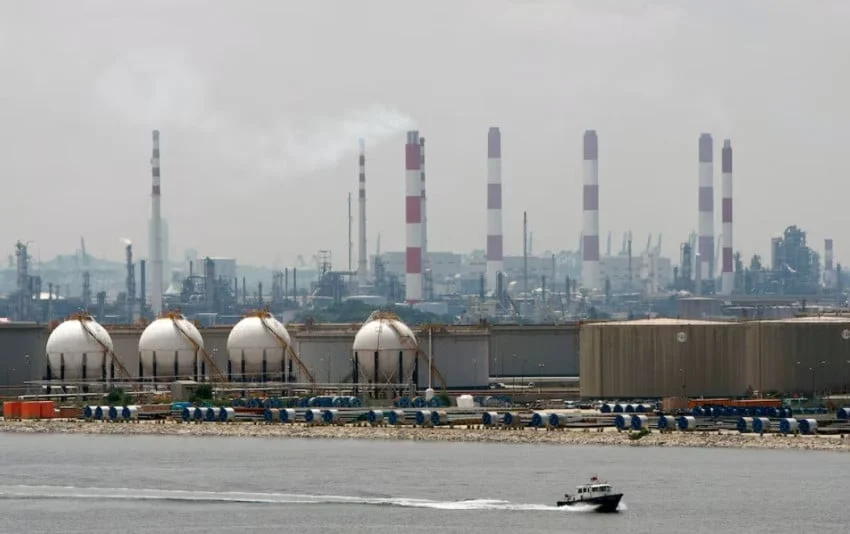
Singapore’s Prime Minister Lawrence Wong has initiated a significant cabinet reshuffle, elevating a cohort of younger ministers and fundamentally strengthening the government’s strategic focus on the energy sector. This comprehensive overhaul, announced on July 23, 2026, and effective from July 27, marks a pivotal moment in Singapore’s leadership transition and long-term strategic planning. A key component of this reshuffle is the renaming of the Ministry of Trade and Industry (MTI) to the Ministry of Energy, Trade, and Industry (METI), signaling a sharpened national resolve to enhance energy resilience amidst increasing global market turbulence.
Prime Minister Wong underscored the dual objectives behind these changes, emphasizing both the empowerment of new talent and the preservation of institutional experience. "We are entrusting greater responsibilities to new and younger office holders as they step into more critical roles. Concurrently, we are maintaining continuity and experience within the core leadership team," Wong stated, as quoted by Bloomberg. This strategic balancing act reflects the People’s Action Party’s (PAP) long-standing commitment to orderly succession planning and adaptive governance. The reshuffle is the second such exercise since Wong assumed the premiership following the PAP’s victory in last year’s general election, further cementing his vision for Singapore’s future leadership. A remarkable one-third of the cabinet is now comprised of officials under the age of 52, a clear indicator of the leadership regeneration efforts underway, particularly as the nation looks towards the next general election, anticipated around 2030.
A New Generation Takes the Helm: Leadership Regeneration and Continuity
The cabinet reshuffle is not merely a bureaucratic adjustment but a deliberate strategy to infuse fresh perspectives and energy into the government while ensuring a smooth leadership transition. The promotion of Jeffrey Siow, 48, to the dual roles of Minister for Transport and Second Minister for Finance, stands out as a significant move. Siow, known for his dynamic approach and proven track record in various capacities, represents the caliber of the younger leaders being groomed for top positions. His appointment to two critical portfolios underscores the government’s confidence in his abilities to manage complex challenges across infrastructure and fiscal policy.
Beyond individual promotions, the reshuffle also reflects a concerted effort to enhance gender representation in senior leadership roles. Prime Minister Wong has actively worked towards forming a new generation leadership team that is not only diverse in age but also in gender, acknowledging the invaluable contributions women bring to policy-making and governance. This move aligns with Singapore’s progressive social policies and its aspiration for a more inclusive leadership landscape.
The PAP’s tradition of meticulously planning leadership succession, often referred to as the "4G" (fourth generation) leadership, is deeply ingrained in Singapore’s political fabric. This reshuffle is a clear manifestation of that tradition, aimed at preparing a robust and capable team to steer the nation through future challenges. By progressively assigning more significant roles to younger ministers, Wong is ensuring that they gain invaluable experience and a comprehensive understanding of governance well before they are called upon to assume the highest offices. This methodical approach is designed to prevent power vacuums and maintain political stability, a hallmark of Singaporean governance. The integration of youth with experienced stalwarts ensures that institutional knowledge is transferred effectively, while new ideas are encouraged and implemented.
Bolstering Energy Security: A Strategic imperative
Perhaps the most impactful change introduced by the reshuffle is the restructuring and renaming of the Ministry of Trade and Industry (MTI) to the Ministry of Energy, Trade, and Industry (METI), effective from October 1. This rebranding is not merely cosmetic; it signifies a profound strategic shift, elevating energy security to a central pillar of Singapore’s economic and industrial policy. Prime Minister Wong explicitly stated that this change "reflects the growing importance of the energy sector for economic competitiveness and Singapore’s future."
Singapore, a small island nation with virtually no natural resources, is acutely vulnerable to global energy market fluctuations. The country relies heavily on imported natural gas, which accounts for approximately 95% of its electricity generation. This dependency exposes Singapore to the volatilities of international gas prices and supply chain disruptions, as starkly demonstrated by the global energy crisis exacerbated by geopolitical events such as the conflict in Ukraine. The recent surge in global energy prices and supply uncertainties have underscored the critical need for Singapore to fortify its energy resilience and diversify its energy sources.
The creation of METI, with its explicit mandate encompassing energy, aims to integrate energy policy more closely with trade and industrial development. This holistic approach recognizes that energy is not just a utility but a fundamental enabler of economic activity, industrial growth, and national competitiveness. By bringing energy policy under the same roof as trade and industry, Singapore seeks to streamline decision-making, foster innovation in energy technologies, and ensure that energy strategies are seamlessly aligned with broader economic objectives.
To lead this expanded portfolio, Tan See Leng will relinquish his previous manpower portfolio to fully concentrate on his new responsibilities as Minister for Energy, Trade, and Industry. This dedicated focus is crucial as Singapore navigates the complexities of global energy markets and pursues its ambitious climate goals. Tan See Leng’s experience in both public and private sectors, particularly in energy-related fields, positions him well to spearhead this critical national endeavor. His role will involve not only securing reliable and affordable energy supplies but also accelerating Singapore’s transition towards a more sustainable and low-carbon energy future.
The Global Energy Landscape and Singapore’s Response
The timing of this energy-centric pivot is highly significant. The global energy market has been in a state of flux for several years, marked by geopolitical tensions, supply chain disruptions, and the urgent imperative of climate change. The Russian invasion of Ukraine, for instance, sent shockwaves through global energy markets, particularly in Europe, leading to unprecedented price spikes and supply anxieties. While Singapore’s direct exposure to Russian gas is minimal, the ripple effects on global liquefied natural gas (LNG) markets, shipping costs, and overall energy commodity prices have a direct bearing on its economy.
Singapore’s response to these challenges has been multi-pronged. The nation has actively pursued diversification of its LNG sources, signing long-term contracts with various suppliers to ensure security of supply. It has also invested heavily in LNG regasification terminals to enhance its import capacity and flexibility. Furthermore, Singapore is a proponent of regional energy grids, exploring opportunities to import low-carbon electricity from neighboring countries, such as from solar farms in Australia or hydro-power plants in Laos, via undersea cables. These initiatives aim to reduce reliance on single-source energy imports and integrate renewable energy into its grid.
Beyond traditional energy sources, Singapore is also investing significantly in research and development for future energy solutions. This includes exploring the potential of hydrogen as a clean fuel, carbon capture, utilization, and storage (CCUS) technologies, and advanced geothermal energy. The Economic Development Board (EDB) and the Energy Market Authority (EMA) have been instrumental in attracting investments in these areas, positioning Singapore as a hub for energy innovation in Southeast Asia. The new METI is expected to provide a more unified and powerful platform to drive these strategic initiatives forward, ensuring that energy policy is tightly integrated with economic planning and industrial development.
Broader Implications and Strategic Analysis
The cabinet reshuffle under Prime Minister Lawrence Wong carries profound implications for Singapore’s political stability, economic resilience, and international standing.
Political Stability and Leadership Renewal: The structured approach to leadership regeneration reinforces the PAP’s enduring model of governance. By bringing younger talents into key ministerial roles, Wong is not only preparing the next generation of leaders but also ensuring that the government remains agile and responsive to the evolving needs of the populace. This proactive approach to succession planning is critical for maintaining long-term political stability in a country where the ruling party has dominated for decades. It also sends a clear message about meritocracy and the continuous search for talent within the public service.
Economic Resilience and Competitiveness: The elevation of energy security to a core economic mandate through METI is a pragmatic response to global realities. For an economy heavily reliant on trade, manufacturing, and high-tech industries – all energy-intensive sectors – stable and affordable energy supply is paramount. Industries such as petrochemicals, semiconductor manufacturing, and data centers, which are significant contributors to Singapore’s GDP, require substantial and reliable power. By strategically managing its energy portfolio, Singapore aims to safeguard its economic competitiveness, attract foreign direct investment, and insulate itself from external shocks. The integration of energy with trade and industry will also facilitate the development of green industries and services, aligning with global trends towards sustainable economies.
International Standing and Climate Leadership: Singapore has consistently positioned itself as a responsible global citizen and a leader in sustainable development. The enhanced focus on energy security, coupled with its ambitious net-zero emissions target by 2050, reinforces this image. By actively pursuing diversified energy sources, investing in low-carbon technologies, and exploring regional energy cooperation, Singapore demonstrates its commitment to both national resilience and global climate action. This strategic foresight can enhance its soft power and influence on the international stage, particularly in regional forums like ASEAN, where energy security and climate change are increasingly pressing issues.
Challenges Ahead: Despite the strategic clarity of these moves, the new cabinet faces a myriad of challenges. The global economy remains volatile, characterized by persistent inflation, supply chain fragilities, and geopolitical tensions. Domestically, Singapore grapples with an aging population, rising living costs, and the need for continuous workforce upskilling. The METI, in particular, will have the daunting task of balancing energy security with affordability and sustainability, a complex trifecta in the current global climate. The transition to a low-carbon economy, while essential, will require significant investments, technological breakthroughs, and public acceptance.
In conclusion, Prime Minister Lawrence Wong’s cabinet reshuffle is a testament to Singapore’s forward-looking governance. By strategically empowering a new generation of leaders and fundamentally reorienting its economic ministries to prioritize energy security, Singapore is proactively addressing both its internal leadership succession needs and the pressing external challenges of a volatile global environment. This comprehensive overhaul positions the nation to navigate future uncertainties with renewed vigor and strategic clarity, ensuring its continued prosperity and stability on the global stage.
