
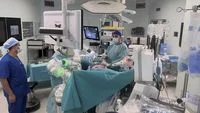
The rapid integration of advanced medical technology in modern healthcare has consistently sparked a mix of profound hope and lingering anxiety among patients worldwide. Among the most innovative yet widely misunderstood advancements is robotic-assisted surgery. As hospitals increasingly adopt high-tech surgical systems for complex procedures, a fundamental question continues to trouble prospective patients: Do these autonomous-looking machines actually perform operations on human bodies independently, or are they strictly controlled by human hands?
To address these widespread misconceptions, leading medical professionals have stepped forward to demystify the technology. Recent clarifications from specialist practitioners in Indonesia shed light on the exact mechanics of robotic-assisted procedures, emphasizing that human expertise remains the undisputed driver of medical outcomes. Far from replacing human surgeons, robotic systems serve as ultra-precise instruments driven entirely by clinical intelligence, bridging the gap between human capability and microscopic surgical precision.
Unraveling the Misconception: Human Control at the Core
The term robotic surgery frequently conjures cinematic imagery of machines operating autonomously in futuristic sterile rooms while medical staff stand idly by. However, clinical reality stands in stark contrast to science fiction. Dr. Sita Ayu Arumi, an esteemed obstetrics and gynecology specialist at RS Bunda Jakarta, has firmly emphasized that surgical robots lack any form of autonomous decision-making capability.
During a robotic-assisted procedure, every single movement executed inside a patient’s body is directly initiated, monitored, and regulated by a licensed surgeon from the very beginning to the final stitch. The robotic system essentially functions as an advanced, highly sophisticated conduit. It translates the real-time hand movements of the surgeon sitting at an ergonomic console into miniaturized, highly accurate mechanical actions performed by instruments inside the patient.
"Robot ini alat bantu, bukan pengambil keputusan. Semua gerakan di dalam tubuh pasien itu dokter yang kendalikan, dari awal sampai akhir tindakan," Dr. Sita stated, reinforcing that the machine’s role is strictly auxiliary.
This human-centric paradigm ensures that medical ethics, critical thinking, and anatomical judgment remain firmly in the hands of trained physicians. The machine executes commands, but the surgeon dictates strategy, evaluates risks on the fly, and determines the precise boundaries of tissue resection.
Evolution of Robotic Surgery in Indonesia: A Historical Chronology
The introduction of robotic-assisted surgery in Indonesia represents a steady, deliberate evolution of advanced medical infrastructure over the past decade. Understanding this timeline highlights how medical institutions have carefully integrated technology alongside specialized human talent.
- 2012: Robotic-assisted surgical systems are formally introduced to select pioneering medical facilities in Indonesia, such as RSU Bunda Jakarta, marking a monumental shift toward minimally invasive capabilities.
- 2013: Dr. Sita Ayu Arumi makes medical history by becoming the first female surgeon to join the gynecological robotic surgery team in Indonesia, just one year after the technology’s domestic introduction. Her inclusion signifies a growing national commitment to training diverse clinical experts in advanced modalities.
- 2016–2019: Adoption rates slowly expand across major metropolitan hospital networks, particularly within specialized fields like urology, oncology, and complex gynecology. Training pipelines are established to ensure rigorous certification standards for participating surgeons.
- 2020–2024: The COVID-19 pandemic accelerates the demand for precision healthcare and shorter hospital stays, prompting hospital groups like Bundamedik Healthcare System (BMHS) to formalize multidisciplinary robotic surgical units and invest heavily in specialized training programs.
- 2026: Public awareness campaigns and clinical transparency initiatives ramp up to address lingering patient anxieties regarding autonomy, safety, and the true mechanics of robotic-assisted operations.
The Mechanics of Precision: How the Console and Filters Empower Surgeons
To appreciate the value of robotic systems, one must examine the specific technological advantages they offer over traditional open surgery and standard laparoscopy. In a robotic-assisted setup, the operating physician does not stand directly beside the operating table holding physical tools. Instead, the surgeon sits upright at a specialized master console, viewing a high-definition, three-dimensional (3D) magnified visualization of the surgical field.
The console interface utilizes ergonomic hand controls that track the surgeon’s finger, wrist, and hand movements. One of the most groundbreaking features integrated into these systems is tremor-filtering technology. Human hands naturally exhibit microscopic tremors, which can pose challenges during delicate procedures near vital blood vessels or nerves. The robotic console electronically filters out these tiny, involuntary tremors, translating large human hand movements into micro-movements of the robotic instruments inside the patient.
"Kalau tangan saya diam, instrumennya juga diam. Robot ini membantu saya bergerak lebih presisi dari tangan ‘telanjang’, tetapi soal jaringan mana yang diangkat dan sejauh mana batasnya, itu murni keputusan dokter," Dr. Sita explained, illustrating how the technology enhances human capability rather than supplanting it.
This unprecedented level of precision allows for freedom of movement that surpasses the limitations of the human wrist, granting access to narrow, confined anatomical spaces that are exceptionally difficult to reach through conventional open or standard laparoscopic approaches.
Clinical Applications: Tackling Complex Gynecological Cases
While robotic surgery has found applications across various medical disciplines—including urology, cardiothoracic surgery, and general oncology—its utility in complex gynecology has proven particularly transformative. Patients suffering from intricate pelvic conditions often face grueling recovery timelines and high risks of surgical complications under traditional methods.
Specialized surgical teams have increasingly deployed robotic assistance to manage complex gynecological pathologies, including:
- Multiple Uterine Myomas (Fibroids): Removing numerous or unusually large fibroids while preserving healthy surrounding uterine tissue.
- Severe Endometriosis: Dissecting deep infiltrating endometrial lesions that involve delicate surrounding organs such as the bladder, ureters, and bowel.
- Complex Ovarian Cysts: Clearing cysts accompanied by extensive pelvic adhesions or scar tissue from prior surgeries.
One of the most profound advantages of utilizing robotic assistance in these complex cases is the potential for organ preservation, particularly for young women. In scenarios involving large multiple myomas, traditional open surgeries historically carried a higher risk of necessitating a complete hysterectomy. Minimally invasive robotic techniques allow skilled surgeons to meticulously shell out fibroids while keeping the uterus intact, safeguarding the reproductive futures of patients of childbearing age.
"Pada pasien yang memenuhi indikasi, teknologi robotik dapat membantu dokter melakukan pengangkatan miom dengan tetap mempertahankan rahim. Ini penting, terutama bagi pasien usia reproduktif yang sebelumnya mungkin harus menghadapi pilihan jauh lebih berat," Dr. Sita noted.
Despite these remarkable benefits, medical experts consistently stress that robotic surgery is not a universal solution suitable for every patient. Comprehensive pre-operative evaluations remain mandatory. A multitude of variables—including the patient’s overall health status, anatomical variations, previous surgical history, and the specific stage of the disease—dictate whether a robotic, laparoscopic, or open surgical approach is the safest and most effective choice.
The Human Element: Training, Experience, and Multidisciplinary Readiness
As the medical device market expands and hospitals market cutting-edge machinery, healthcare executives and veteran practitioners emphasize that advanced hardware is only as effective as the professionals operating it. The presence of a sophisticated robot does not automatically guarantee a successful surgical outcome; rather, the competency of the surgical team remains the definitive variable.
Agus Heru Darjono, President Director of PT Bundamedik, highlighted the rigorous institutional protocols established to ensure patient safety across hospital networks such as BMHS. According to Darjono, physicians selected to perform robotic-assisted procedures are not simply handed the console; they must undergo extensive, specialized training programs and attain rigorous clinical certifications. Furthermore, for highly complex medical cases, treatment protocols mandate the involvement of multidisciplinary medical teams.
"Setiap dokter yang menangani kasus bedah robotik di seluruh jaringan rumah sakit BMHS melalui pelatihan dan sertifikasi khusus. Untuk kasus kompleks, penanganannya pun melibatkan tim multidisiplin," Agus stated.
Building true proficiency in robotic surgery is a gradual, multi-year endeavor. Dr. Sita reflected on her own professional journey, noting that mastering the sensory feedback, console ergonomics, and spatial orientation required for complex robotic procedures demands years of dedicated practice alongside traditional surgical mastery.
"Kompetensi menangani kasus robotik tidak instan. Butuh waktu bertahun-tahun sampai saya benar-benar nyaman menghadapi kasus kompleks, dan itu masih terus berkembang," she remarked.
Healthcare analysts and patient advocacy groups recommend that individuals considering robotic-assisted surgery look beyond marketing gloss and investigate the institutional track record, the specific procedural volume of the operating surgeon, and the multidisciplinary support available within the facility.
Broader Implications and Future Outlook for Patient Care
The ongoing demystification of robotic-assisted surgery holds significant implications for the future of patient education and medical adoption rates. As public understanding shifts away from misplaced fears of autonomous machines and toward an appreciation of enhanced human-machine synergy, patient compliance and trust are expected to improve.
When patients understand that the robot is merely an advanced extension of their trusted physician’s hands, anxiety levels drop, leading to more informed shared decision-making between doctors and patients. Moreover, as training programs expand and more medical institutions acquire robotic platforms, accessibility to minimally invasive procedures is projected to grow across developing healthcare markets.
Ultimately, the integration of robotics in surgery represents a triumph of human innovation designed to minimize physical trauma, reduce blood loss, shorten hospital stays, and accelerate recovery. Yet, the core philosophy of medicine remains unaltered: technology serves as a tool, but healing is driven by human expertise, empathy, and judgment. As the medical landscape continues to evolve, the partnership between brilliant surgical minds and precision machinery will undoubtedly redefine the boundaries of what is possible in modern healthcare.
