
JAKARTA — Cultural export rarely follows a predictable trajectory, yet global trends frequently pivot on the unexpected habits of public figures. Recently, the timeless Indonesian household staple known as minyak kayu putih, or traditional cajeput oil, experienced an unprecedented surge in international demand. This remarkable commercial phenomenon was triggered not by a multi-million-dollar marketing campaign or a concerted government tourism initiative, but by a casual, authentic disclosure from Carmen, a rising star in the global entertainment industry and a member of the multinational girl group Hearts2Hearts (H2H).
The viral moment occurred during a lifestyle and reality web series broadcast on a major video-sharing platform, where Carmen offered fans a glimpse into her personal backstage habits. While unpacking her travel essentials after relocating to South Korea for her rigorous idol training and promotional schedules, Carmen proudly showcased two distinct bottles carried straight from her homeland: a bottle of traditional baby telon oil and classic eucalyptus oil.
"The scent is amazing, it smells just like a baby," Carmen explained to the camera, highlighting how sensory comfort anchors her demanding lifestyle. "I can only sleep soundly if the fragrance around me is comforting. That is why I love these products so much."
This unscripted revelation immediately resonated with international fans, setting off a digital scavenger hunt across global social media platforms as viewers rushed to identify, source, and purchase the exact aromatic oils used by the K-pop sensation. What followed was a fascinating intersection of modern digital fandom, cross-cultural exchange, and the timeless appeal of traditional herbal remedies on the global stage.
The Chronology of a Viral Sensation
The trajectory from a private daily habit to a cross-border commercial trend unfolded rapidly across digital ecosystems, demonstrating the immense influence of contemporary pop culture figures on consumer behavior.
The timeline of the phenomenon illustrates the speed of modern digital influence:
- The Broadcast: During a regularly scheduled behind-the-scenes YouTube feature produced for Hearts2Hearts, Carmen unpacks her luggage, intentionally displaying Indonesian personal care products that she relies on to cope with the stresses of living abroad.
- The Discovery: Within hours of the program’s release, international fan communities on platforms such X (formerly Twitter), TikTok, and Reddit began dissecting the footage, zooming in on the distinctive green and white packaging of the eucalyptus oil bottles.
- The Global Search: Fans across Southeast Asia, East Asia, and Western markets began inquiring about the therapeutic uses, ingredients, and international shipping options for Indonesian eucalyptus and telon oils.
- The Market Reaction: Indonesian e-commerce exporters reported an immediate, noticeable uptick in international inquiries and cross-border purchases of aromatic wellness oils, driving unprecedented online visibility for legacy pharmaceutical and herbal brands native to Southeast Asia.
Understanding Minyak Kayu Putih: A Cultural and Medicinal Staple
To fully comprehend the magnitude of this trend, one must examine the deep cultural roots of minyak kayu putih within Indonesian society. For generations, clear bottled cajeput oil has served as an indispensable fixture in almost every household across the archipelago. Derived primarily through the distillation of the leaves of the Melaleuca leucadendra tree—commonly known as the cajeput tree—the resulting clear liquid possesses a distinct, herbaceous aroma and potent warming properties.
While infants and toddlers are traditionally tended to with milder botanical formulations like minyak telon—a soothing blend of cajeput, fennel, and coconut oils—adults rely on full-strength eucalyptus oil to manage a wide array of minor physical discomforts. Its ubiquitous presence in Indonesian medicine cabinets reflects a holistic approach to everyday healthcare, where preventative comfort and natural remedies seamlessly intersect.
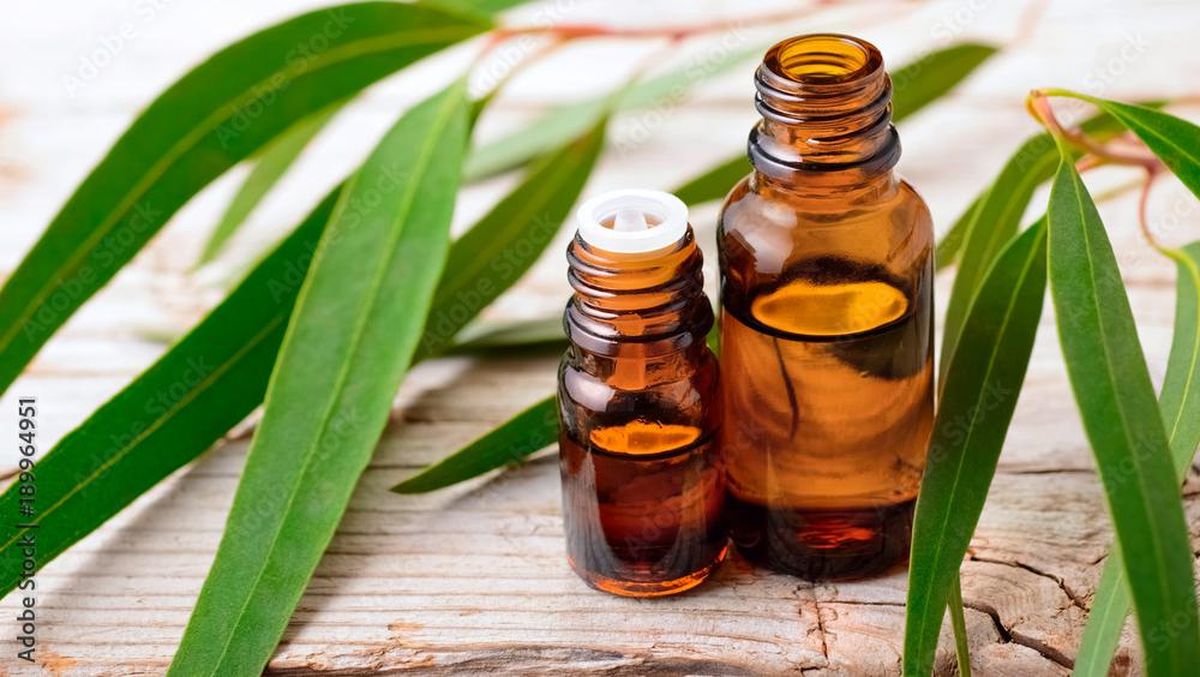
Comprehensive Therapeutic Benefits of Evening Application
While Carmen’s endorsement initially centered on the psychological comfort provided by the familiar scent, modern wellness perspectives and traditional practices alike recognize a multitude of physiological benefits associated with applying eucalyptus oil before sleep.
1. Advanced Aromatherapy and Nervous System Relaxation
The inhalation of natural cajeput vapors stimulates the limbic system, the emotional control center of the brain. The primary volatile compounds found in the oil interact with olfactory receptors to induce a state of neurological tranquility. When applied lightly to pulse points such as the wrists or temples, the gentle diffusion of the herbal aroma helps lower cortisol levels, preparing the human body for deep, restorative sleep.
2. Thermogenic Comfort and Vasodilation
Nighttime drops in ambient temperature can often cause mild muscular tension or shivering, disrupting sleep cycles. Minyak kayu putih acts as a mild counter-irritant and rubefacient, stimulating localized blood circulation upon topical application. By gently massaging the oil onto the chest, abdomen, and back, users experience sustained thermogenic comfort, keeping the core body relaxed throughout the night.
3. Respiratory Support and Natural Decongestion
For individuals suffering from mild seasonal allergies, nasal congestion, or the early onset of a cold, nighttime breathing can be severely compromised. Eucalyptus oil contains active biochemical constituents, notably cineole (eucalyptol), which exhibit natural decongestant and anti-inflammatory properties. Applying a small amount to the upper chest or beneath the nostrils helps open constricted airways, facilitating smoother, unobstructed nasal passages during sleep.
4. Tension Headache Relief
Accumulated stress from professional or academic obligations frequently manifests as tension headaches that linger into the evening. The mild analgesic properties of cajeput oil offer a non-pharmacological intervention. When massaged into the base of the skull, neck, and temples, the oil helps relieve cranial muscle constriction, easing the transition into peaceful slumber.
5. Natural Insect Repellent Properties
Tropical and subtropical climates frequently present the persistent nuisance of nighttime insect activity. Beyond its warming and aromatic qualities, eucalyptus oil serves as a formidable natural deterrent against mosquitoes and other biting insects. Dermatological studies indicate that combining cajeput oil with complementary botanical extracts, such as lavender or citronella, creates an effective, chemical-free barrier that ensures uninterrupted sleep without the need for synthetic repellents.
Economic and Cultural Implications of K-Pop Soft Power
The unexpected global attention directed toward traditional Indonesian wellness products underscores the immense power of contemporary cultural diplomacy and digital connectivity. In the modern era, influencers and pop culture icons serve as powerful conduits for cross-cultural trade, capable of elevating localized commodities into international sensations overnight.
Industry analysts note that this trend highlights a broader consumer shift toward holistic, plant-based self-care products. As global audiences become increasingly receptive to traditional remedies from diverse cultural backgrounds, heritage brands possess a unique opportunity to expand their market footprint beyond domestic borders.
Furthermore, the phenomenon reflects a growing pride among Indonesian consumers, who frequently take to social media to celebrate when elements of their daily cultural reality are embraced and validated by international figures on the global stage. What began as a simple, homesick comfort for a young artist navigating life abroad has inadvertently illuminated the universal appeal of traditional healing arts, proving that the language of comfort and wellness truly transcends geographical boundaries.