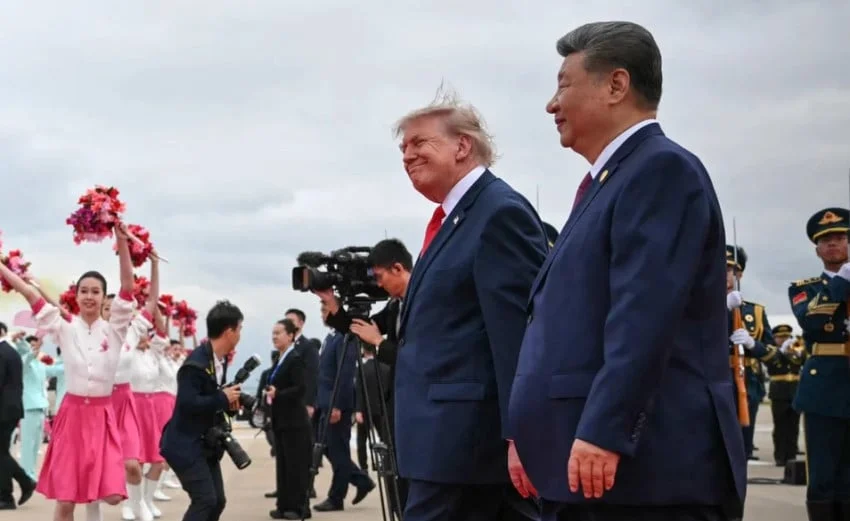
Chinese President Xi Jinping made a striking diplomatic departure from decades of established protocol by personally greeting United States President Donald Trump on the tarmac of the airport in Shenzhen. This high-profile arrival occurred just ahead of a highly anticipated and historic trilateral diplomatic engagement involving Russian President Vladimir Putin during the Asia-Pacific Economic Cooperation (APEC) summit. The gesture immediately drew intense global scrutiny, signaling a significant shift in great power dynamics, strategic alignments, and bilateral optics between Beijing and Washington.
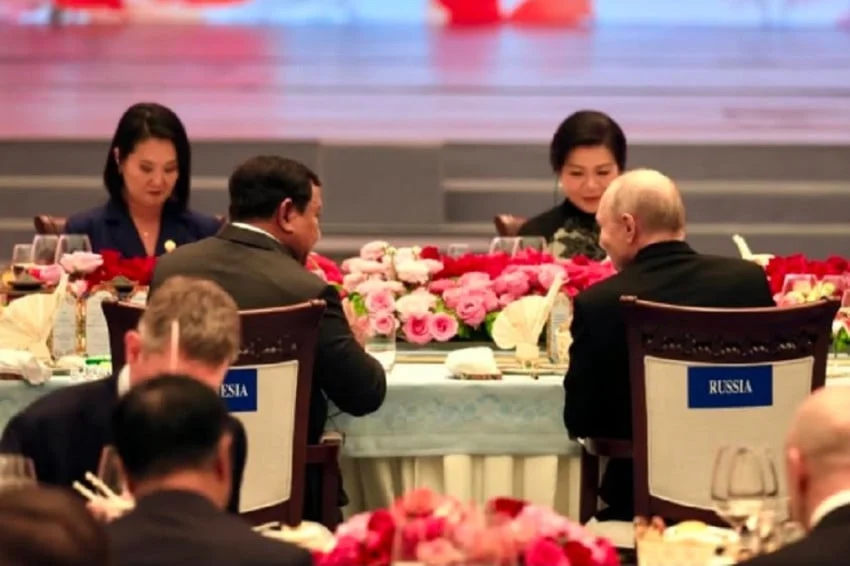
According to high-ranking United States officials speaking on the condition of anonymity, the diplomatic choreography extended far beyond standard summit pleasantries. Preparations were simultaneously finalized for a crucial, high-stakes private bilateral meeting between the American and Russian leaders, setting the stage for a geopolitical summit that analysts argue could reshape contemporary international relations. The convergence of Xi, Trump, and Putin in the southern Chinese tech hub of Shenzhen represents one of the most consequential gatherings of global superpowers in recent history.
The unfolding events at the Shenzhen airport underscored a meticulously calculated diplomatic overture by Beijing. Historically, Chinese paramount leaders maintain a strict distance from airport arrivals for visiting heads of state, delegating such formal greetings to lower-ranking ministers, foreign ministry officials, or special envoys. By breaking this unwritten rule for Donald Trump, President Xi sought to project a message of mutual respect, personal rapport, and heightened strategic priority to both domestic and international audiences.
An Unprecedented Tarmac Welcome: Breaking Decades of Chinese Diplomatic Tradition
The symbolic weight of the Shenzhen airport welcome cannot be overstated within the framework of Chinese statecraft. For decades, the People’s Republic of China has adhered to rigid protocols regarding the reception of foreign dignitaries. Typically, even closest allies and most powerful Western leaders are received by welcoming committees composed of cabinet-level ministers or municipal party secretaries. The last time a sitting Chinese leader personally met a U.S. president on the tarmac under comparable summit conditions remains a rare footnote in diplomatic archives, usually reserved for state visits of extraordinary magnitude rather than multilateral economic forums.
As Air Force One touched down on the tarmac in Shenzhen, global news networks broadcast live feeds of the meticulously orchestrated scene. President Trump descended the mobile staircase onto a sprawling crimson red carpet rolled out specifically for the occasion. Waiting at the base of the stairs was President Xi Jinping, flanked by a security detail and a troupe of cultural performers.
As the two leaders met, they exchanged brief pleasantries and shared a concise, calculated embrace—a departure from the stiff, formal handshakes traditionally favored in Sino-American summitry. Following the initial greeting, Trump and Xi walked side-by-side toward their respective motorcades. The procession was accompanied by a vibrant display of dancers and performers waving colorful pom-poms and banners, creating a festive, highly visual atmosphere designed to project positive bilateral optics to global television audiences.
The Timing and Context of the Shenzhen APEC Summit
The setting for this diplomatic overture is the annual Asia-Pacific Economic Cooperation summit, hosted this year in the booming southern Chinese metropolis of Shenzhen. Known globally as China’s Silicon Valley, Shenzhen serves as a fitting backdrop for discussions revolving around trade, technology, supply chain resilience, and global economic governance. However, the economic mandate of APEC has been rapidly overshadowed by high-stakes geopolitics.
The timing of the summit coincides with a delicate phase in global diplomacy. Tensions surrounding trade tariffs, maritime security in the Indo-Pacific, technological decoupling, and the protracted conflict in Eastern Europe form a dense backdrop to the proceedings. By hosting a summit that brings together the leaders of the world’s three largest nuclear and economic heavyweights, Beijing has positioned itself squarely at the center of global crisis management and strategic dialogue.
Diplomatic analysts note that the decision to hold bilateral and trilateral engagements on the sidelines of APEC reflects a broader trend toward transactional diplomacy. Rather than enduring the lengthy bureaucratic preparations of a traditional state visit, leaders are increasingly utilizing multilateral summits as efficient vehicles for direct, leader-to-leader negotiations.
The Strategic Significance of the Xi-Trump-Putin Dynamic
The most profound element of the Shenzhen summit is the convergence of Donald Trump, Xi Jinping, and Vladimir Putin. The inclusion of the Russian president elevates the gathering from a bilateral trade discussion to a trilateral geopolitical balancing act reminiscent of Cold War-era triangulation strategies, albeit with entirely modern economic and technological stakes.
A senior U.S. administration official confirmed that logistical arrangements had been successfully concluded for a dedicated, closed-door meeting between President Trump and President Vladimir Putin. This planned encounter has generated immense anxiety among traditional Western allies, particularly within the North Atlantic Treaty Organization (NATO) and the European Union, who closely monitor any direct diplomatic overtures between Washington and Moscow regarding the war in Ukraine and broader European security architecture.
For Beijing, facilitating a space where the U.S. and Russian presidents can engage in direct dialogue offers multiple strategic advantages. China has consistently maintained a position of strategic neutrality regarding the conflict in Ukraine, while simultaneously deepening its economic and energy ties with Moscow. By acting as the gracious host of a summit that bridges Washington and Moscow, Beijing projects an image of a responsible, indispensable global superpower capable of convening adversaries for high-level dialogue.
Geopolitical Analysis: Implications of the Extraordinary Reception
The warm reception accorded to Donald Trump by Xi Jinping has triggered intensive debate among foreign policy experts, intelligence analysts, and economic strategists worldwide. Dissecting the underlying motivations behind Beijing’s diplomatic choreography reveals a mixture of calculated pragmatism, economic interdependence, and psychological statecraft.
First, the outreach reflects a recognition of Donald Trump’s unique political style and penchant for personalized diplomacy. During his previous administration, Trump frequently emphasized the importance of personal rapport with foreign autocrats and leaders over institutional channels and multilateral frameworks. By rolling out the red carpet and offering a high-visibility welcome, President Xi is appealing directly to Trump’s preference for being treated with supreme deference. This tactic is designed to cultivate a favorable negotiating environment, potentially lowering tensions on contentious issues such as bilateral trade deficits, intellectual property rights, and semiconductor export controls.
Second, the display serves a domestic political function within China. Amid ongoing economic restructuring, domestic property sector pressures, and external headwinds from Western trade restrictions, the image of the American president flying to China and being personally greeted by Xi projects strength and authority to the Chinese domestic audience. It reinforces the narrative of China’s rise as an equal, peer-level competitor to the United States on the global stage.
Third, the trilateral dimension involving Russia sends a powerful signal to Brussels, Tokyo, and other Western capitals. It underscores the fluidity of modern alliances, where economic globalization and shifting national interests frequently override ideological blocs. If Washington, Beijing, and Moscow are able to carve out pragmatic understandings on trade, security, or regional stability during the Shenzhen summit, the architecture of post-Cold War international relations could undergo a profound and rapid transformation.
Official Responses and International Repercussions
As details of the Shenzhen arrivals and the planned Trump-Putin bilateral meeting leaked to international media, reactions from global capitals were swift and varied.
European Union officials expressed cautious concern behind closed doors, with diplomats in Brussels emphasizing the need for transatlantic unity in addressing global security challenges. European capitals remain hyper-vigilant regarding any diplomatic deals struck between Washington and Moscow that could bypass European interests, particularly concerning the sovereignty and future security architecture of Ukraine.
In contrast, markets and business communities displayed a measured reaction. While the prospect of escalating trade tensions between the U.S. and China remains a constant anxiety for multinational corporations, the visual of a cordial meeting between Xi and Trump injected a degree of short-term stability and predictability into global financial markets. Investors are closely monitoring the outcomes of the summit for any concrete announcements regarding tariff reductions, agricultural purchases, or frameworks for technological cooperation.
Domestic political actors in Washington also offered polarized views. Proponents of a hardline stance against Beijing criticized the summit optics, arguing that an overly warm reception risks projecting weakness or normalizing adversarial behavior without securing tangible structural concessions from China. Conversely, supporters of Trump’s foreign policy approach defended the engagement, asserting that direct, unmediated dialogue with primary geopolitical rivals is essential to preventing escalation, managing global crises, and securing favorable economic deals for American workers and industries.
Looking Ahead: What to Expect from the Concluding Sessions of APEC
As the Shenzhen APEC summit moves toward its final plenary sessions and bilateral wrap-ups, attention remains firmly fixed on the joint statements, press conferences, and backdoor readouts emerging from the delegations.
The success of the summit will ultimately be measured not by the ceremonial pageantry of the airport tarmac, but by the substantive deliverables agreed upon behind closed doors. Whether the historic gathering translates into lasting trade truces, de-escalation frameworks, or a fundamental realignment of great power competition remains to be seen. However, one reality is already indisputable: the diplomatic landscape of the 21st century has been indelibly marked by the extraordinary scenes witnessed in Shenzhen, where protocol was rewritten to accommodate the convergence of the world’s most influential and controversial leaders.