
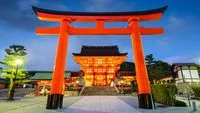
A cultural controversy has erupted in Kyoto, Japan, following the publication of a social media video depicting a group of New Zealanders performing a traditional Maori poi dance directly in front of the sacred gates of the Fushimi Inari Taisha. The incident, which occurred earlier this month, has sparked a significant backlash among the Japanese public and global observers, highlighting the growing friction between modern tourism practices and the preservation of sacred cultural spaces.
The video, which circulated widely on the platform X, showed three individuals performing the traditional Maori art form—characterized by the rhythmic swinging of tethered balls—at the threshold of a vermilion torii gate. This specific entrance marks the transition from the secular world into the hallowed grounds of Fushimi Inari Taisha, one of Japan’s most revered Shinto shrines. The performance was perceived by many locals not as a cultural exchange, but as a violation of the sanctity and solemnity expected of visitors at a religious site.
The Significance of Fushimi Inari Taisha
To understand the intensity of the backlash, one must consider the historical and spiritual weight of the location. Established in 711 AD, Fushimi Inari Taisha serves as the head shrine for approximately 30,000 Inari shrines across Japan. For over a millennium, it has been a place of pilgrimage for those seeking blessings for bountiful harvests, business success, and family safety.
In the Shinto faith, shrines are considered the residences of kami (divine spirits or gods). Consequently, the grounds are treated with profound reverence. Visitors are expected to observe specific protocols, which include maintaining a quiet demeanor, adhering to designated walking paths, and respecting areas where photography is strictly prohibited. The act of performing a dance—regardless of its cultural significance to the performers—in a high-traffic entrance gate is viewed by many as an obstruction of a pilgrimage route and a failure to respect the religious intent of the site.
Chronology of the Controversy
The incident, which gained traction on social media around September 10, 2026, features a group led by Tangaroa Paul, an academic who serves as a lead for Maori Media programs at the Auckland University of Technology (AUT) in New Zealand. Paul, who specializes in Kapa Haka and indigenous gender studies, initially posted the performance video, likely intended as a personal expression of cultural pride during a visit to Japan.
By September 11, the video had garnered thousands of views and a surge of negative comments. Critics from the Japanese public argued that the location was a place for worshipers to pass through, not a public stage for impromptu performances. The criticism quickly moved beyond local discourse, drawing international attention to the ethics of tourism and the "performative" nature of social media content creation in sensitive historical sites.
On September 12, following the escalation of the public outcry, Tangaroa Paul issued a series of apologies via his personal social media account. He acknowledged that his actions were rooted in ignorance regarding the cultural nuances of visiting Japanese sacred spaces. He expressed deep regret for the hurt and anger caused to the Japanese community, stating, "I will acknowledge my ignorance and my mistake and will ensure I do not repeat it again."
Institutional Responses and Academic Context
The Auckland University of Technology (AUT) released a brief statement on September 11, confirming that the incident occurred during a private trip and that the university was aware of the situation. The institution noted that Paul had taken full responsibility for his actions. As of the time of writing, Paul has ceased all public commentary on the matter, and the university has declined further interviews, signaling a desire to distance the institution from the individual’s personal conduct abroad.
This incident serves as a poignant case study for academic and cultural institutions regarding the behavior of staff and students while traveling. As cultural ambassadors, academics often face higher standards of conduct, particularly when they operate within fields related to indigenous studies and cultural appreciation. The backlash suggests a public expectation that individuals with expertise in cultural studies should be hyper-aware of the protocols required when engaging with foreign sacred spaces.
The Broader Implications for "Overtourism"
The outrage surrounding the Fushimi Inari Taisha incident cannot be separated from the broader context of "overtourism" in Kyoto. In recent years, Japan has faced significant challenges in managing the influx of international tourists who often disregard local customs. Residents of Gion and other historic districts have previously implemented bans on photography in certain alleys due to tourists harassing geisha and trespassing on private property.
The Fushimi Inari Taisha, which sees millions of visitors annually, has become a hotspot for social media influencers and content creators looking to capture the "perfect" shot. This drive for digital engagement often leads to a disconnect between the tourist and the reality of the environment they are visiting. When a site is treated as a backdrop for a performance rather than a site of active worship, it can exacerbate local tensions and lead to stricter enforcement of visitor regulations.
Analysis: Cultural Exchange vs. Cultural Intrusion
The tension between the Maori performers and the Japanese public highlights the complexity of cross-cultural interactions. Maori culture, like Shinto, places immense value on the connection between people, their ancestors, and the land. However, the application of cultural expression in an international context requires a degree of cultural intelligence that extends beyond one’s own heritage.
From a sociological perspective, this incident illustrates the "tourist gaze"—the tendency for visitors to consume a foreign culture as a commodity for their own consumption or social media presence. The performers likely intended to share their heritage, but by doing so in an inappropriate setting, they inadvertently transformed a sacred space into a commodity for their own content.
Future Perspectives on Cultural Tourism
As international travel continues to rise, the incident at Fushimi Inari serves as a cautionary tale for travelers worldwide. The incident underscores the necessity of pre-trip research, not just into the sites themselves, but into the behavioral expectations and cultural sensitivities of the host country.
While Paul’s apology has been received as a necessary step, the debate continues regarding how to better educate tourists. Many experts suggest that travel platforms, airlines, and local government bodies should collaborate to provide clearer "codes of conduct" for tourists visiting religious or historical sites.
For now, the controversy in Kyoto remains a potent reminder that the right to express one’s culture does not supersede the right of a community to maintain the sanctity of its most holy sites. As Japan continues to balance its role as a global tourist destination with the protection of its intangible and tangible heritage, incidents like this will likely prompt more rigorous enforcement of conduct policies at temples and shrines nationwide.
The fallout from this event also serves as a stark reminder to academics and public figures that their actions, even when categorized as "personal travel," are subject to intense scrutiny in an interconnected, digital world. The incident at Fushimi Inari is not merely about a dance; it is about the respect afforded to the traditions of others and the responsibility that comes with traveling to the world’s most precious cultural landscapes.
