
In a global technology landscape frequently dominated by conglomerates from the United States, China, and South Korea, Indonesia boasts a home-grown powerhouse that has not only survived five decades of intense market competition but has thrived as a cornerstone of the domestic electronics industry. Polytron, the pride of Kudus, Central Java, recently commemorated its 51st anniversary, marking a journey that began with humble cathode-ray tube televisions and has evolved into a diversified technology ecosystem spanning smart home appliances, high-fidelity audio systems, and the burgeoning electric vehicle sector.
The milestone was celebrated with the "Polytron Fest 51st Anniversary," a two-day event held on September 19–20, 2026, at the South Parking area of the Gelora Bung Karno sports complex in Jakarta. The festival served as more than just a celebratory gala; it was a strategic platform to launch the "Bangga Terus Melangkah" (Proud to Keep Moving Forward) campaign. In a nod to the brand’s cultural integration, Polytron collaborated with the iconic Indonesian musical group Maliq & D’Essentials to produce a commemorative music video, signaling the brand’s intent to remain relevant across generations.
A Half-Century of Industrial Evolution
Founded on September 18, 1975, Polytron began its operations during a period when Indonesia was heavily reliant on imported electronic goods. The company’s early success was rooted in its ability to localize production and offer accessible technology to the Indonesian middle class. By 1978, the company had successfully launched its first commercial 20-inch black-and-white television. This was followed rapidly by the introduction of color television sets in 1979, positioning Polytron as a pioneer in the domestic manufacturing of consumer electronics.
The 1980s and 1990s represented a period of aggressive expansion and quality consolidation. By 1980, Polytron had already secured an impressive 50 percent share of the domestic audio market, a segment that remains its strongest stronghold today. In 1992, the brand achieved a significant industrial milestone by exporting color televisions to the European market, proving that Indonesian-manufactured electronics could meet stringent international quality standards.

The turn of the millennium saw Polytron doubling down on research and development. In 2001, the company patented its proprietary "Zeppelin Speaker" technology, which significantly enhanced the acoustic quality of its televisions. This commitment to innovation continued into 2010 with the launch of the Nano Hifi series, which utilized four distinct patents, solidifying Polytron’s reputation as an engineering-led organization rather than a mere assembly house.
Market Dominance and Diversification
According to GfK data as of June 2025, Polytron maintains a commanding lead in several categories. The company currently controls 64 percent of the national audio market, a testament to its long-term brand equity in the sound systems sector. Furthermore, the company has successfully expanded its footprint into home appliances. It currently holds the second-largest market share in the refrigerator segment at 27 percent and the television (LED) segment at 16 percent. In the competitive washing machine market, Polytron ranks third with 15 percent, while its presence in the air conditioning (AC) market stands at 4 percent, with significant growth potential as it incorporates AI-driven, voice-command features.
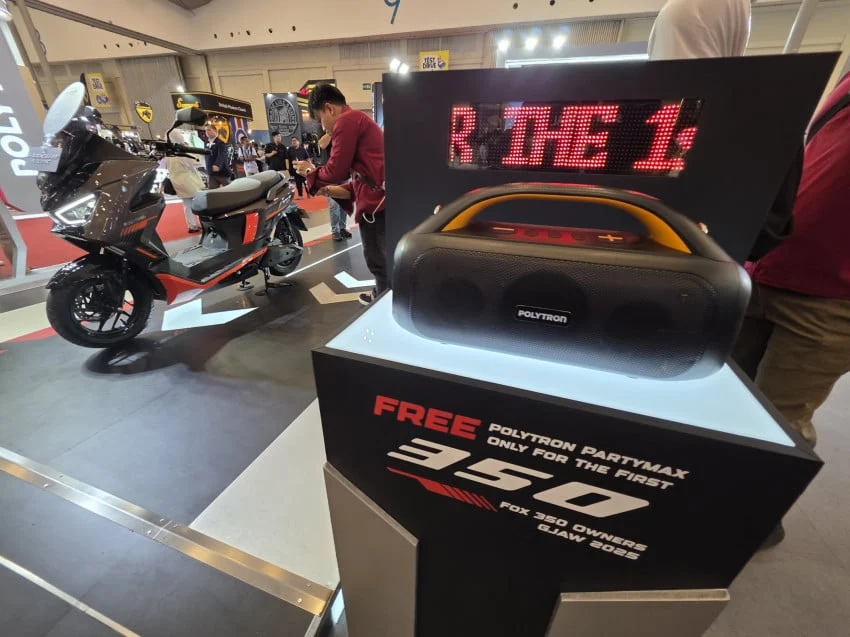
The scale of production is equally impressive. By 2017, the company reached a production capacity of 10 million units annually across its facilities in Kudus and Sayung, Demak. This industrial capacity has allowed Polytron to diversify its portfolio aggressively. Today, the product lineup includes smart air conditioners, electric ovens, water dispensers, and advanced display technologies. Furthermore, recognizing the shift toward digital productivity, Polytron has entered the computing market with laptops and monitors. Most recently, the company has made significant investments in the green economy, developing electric motorcycles and automobiles to align with Indonesia’s national push for sustainable transportation.
Navigating the Smartphone Frontier
Polytron’s entry into the mobile telecommunications market in 2011 marked one of its most daring strategic pivots. By launching lines such as Prime, Zap, and Rocket, the company sought to challenge the dominance of global giants like Samsung and various Chinese brands.
A critical juncture occurred in 2015 with the release of the Zap 5, which was recognized as the first 4G LTE smartphone to fully comply with the Indonesian government’s Local Content Requirement (TKDN) regulations. This was not merely a regulatory achievement but a tactical one, as it allowed Polytron to position itself as the national champion of digital sovereignty. The subsequent development of FIRA OS in 2016—a custom operating system designed to provide a localized user experience—further underscored the company’s ambition to build a vertically integrated ecosystem.

Analysis: Implications for Indonesia’s Tech Sector
The longevity of Polytron offers several key insights into the mechanics of industrial sustainability in emerging markets. First, the company’s success demonstrates the importance of "brand stickiness." By consistently focusing on high-demand, high-quality audio and visual products for over 50 years, Polytron has embedded itself into the cultural fabric of Indonesian households.
Second, the company’s shift toward high-tech sectors—specifically electric vehicles and smart home automation—suggests a transition from traditional hardware manufacturing to a more integrated, service-oriented model. The ability to pivot from analog TVs in the 1970s to smart devices and EVs in the 2020s reflects a high degree of organizational agility.
However, the company faces significant challenges. The global electronics market is currently characterized by intense price wars and rapid technological obsolescence. While Polytron leads in audio, its lower market share in appliances like air conditioning indicates that the company must compete against deep-pocketed Japanese and Korean firms that have decades of global R&D backing. To maintain its trajectory, analysts suggest that Polytron must continue to leverage its massive domestic manufacturing infrastructure to keep price points competitive while accelerating its software-as-a-service (SaaS) and IoT (Internet of Things) integration.
Official Stance and Future Outlook
While company leadership has maintained a focused, pragmatic approach, the anniversary festivities highlighted a clear forward-looking agenda. The "Bangga Terus Melangkah" campaign is viewed as a commitment to national pride, emphasizing that the "Made in Indonesia" label is synonymous with innovation.
Industry experts observing the 51-year trajectory note that Polytron’s resilience is largely due to its ability to understand the specific needs of the Indonesian consumer—ranging from electrical volatility in some regions to the preference for bass-heavy audio profiles. As the company looks toward its next 50 years, the focus is expected to shift toward export competitiveness in the ASEAN region and the refinement of its electric vehicle charging infrastructure.

Conclusion: A Legacy in Motion
The story of Polytron is effectively the story of Indonesia’s industrial maturation. From a small manufacturer in Kudus to a multifaceted conglomerate, Polytron has proven that a local brand can successfully navigate the complexities of global supply chains and shifting consumer demands. As the company enters its sixth decade, the challenge will be to translate its deep-rooted domestic trust into a more formidable international presence, ensuring that the Polytron name remains synonymous with innovation, not just in the Indonesian archipelago, but on the global stage.
The successful execution of the Polytron Fest 51st Anniversary serves as a reminder that for many Indonesian families, the brand is not merely a utility provider but a historical companion—a household name that has powered the living rooms of three consecutive generations. Whether through the crisp sound of a speaker or the cooling efficiency of an air conditioner, Polytron remains a defining element of the modern Indonesian experience.
