
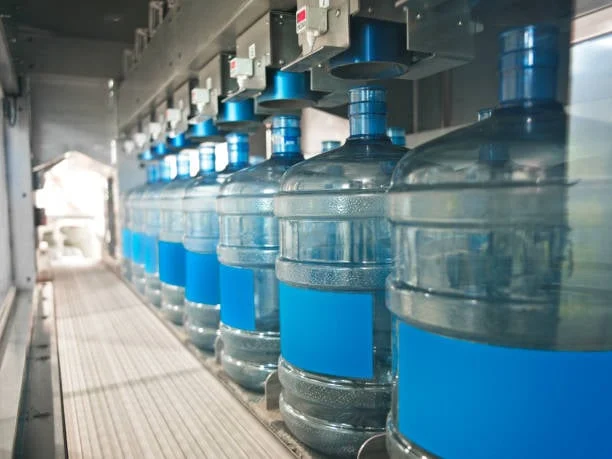
The Indonesian National Agency of Drug and Food Control, known as BPOM (Badan Pengawas Obat dan Makanan), has officially enacted a significantly more stringent regulatory framework concerning chemical migration in food packaging. Under the newly promulgated Regulation of BPOM (PerBPOM) Number 11 of 2026 regarding Food Packaging, the agency has established a maximum migration limit for Bisphenol A (BPA) of 0.05 milligrams per kilogram (mg/kg). This legislative move represents a major recalibration of national food safety standards, aiming to protect public health by curbing the leaching of chemical compounds from containers into consumer goods, particularly within the beverage sector.
The implementation of this new threshold is not immediate across all industrial sectors; rather, the government has adopted a phased transition period that extends until July 1, 2031. This strategic timeline is designed to balance the imperative of consumer protection with the economic realities and operational adjustments required by domestic manufacturers.
The Science of Migration and the Regulatory Shift
"Migration" in the context of food packaging refers to the physical and chemical process by which substances from the packaging material—such as additives, polymers, or monomers—transfer into the food or beverage contained within. Bisphenol A is a chemical compound primarily used in the production of polycarbonate plastics and epoxy resins, which are frequently used to line the interior of metal food cans and are utilized in the manufacturing of reusable plastic containers and water dispensers.
The previous regulatory limit, which stood at 0.6 mg/kg, has now been reduced by a factor of 12. By setting the new limit at 0.05 mg/kg, BPOM is aligning its domestic standards with more rigorous international benchmarks that prioritize long-term public health outcomes. The decision follows years of scientific scrutiny regarding the endocrine-disrupting potential of BPA and its propensity to mimic estrogen, potentially interfering with hormonal systems in humans.
Chronology of the Regulatory Development
The journey toward this stricter regulation did not occur in a vacuum. It was the result of extensive inter-agency collaboration, scientific risk assessment, and public consultation.
- 2023–2025: Risk Assessment Period: BPOM conducted a series of internal and collaborative studies to monitor BPA migration levels in the domestic market, particularly focusing on the Air Minum Dalam Kemasan (AMDK) or bottled drinking water industry.
- July 2026: Public Consultation: A pivotal public consultation session held on July 27, 2026, served as the primary venue for stakeholders to weigh in on the proposed draft regulation. During this session, representatives from various industrial sectors, including the food and beverage industry and packaging manufacturers, presented their concerns regarding the technical feasibility of achieving such low migration levels in the short term.
- Late 2026: Formal Enactment: Following the feedback gathered, the government finalized and enacted PerBPOM Number 11 of 2026, codifying the 0.05 mg/kg limit.
- 2026–2031: Phased Implementation: The five-year window was established to allow for the replacement of legacy manufacturing equipment, the adoption of alternative materials, and the necessary quality control upgrades for businesses to reach compliance.
The Rationale for Phased Implementation
The head of BPOM, Taruna Ikrar, has been instrumental in clarifying the agency’s stance on the five-year transition. According to Ikrar, the decision to allow a phased implementation until 2031 is a pragmatic response to the realities of the industrial supply chain.
"The establishment of the migration limit phase-in period, lasting up to five years, is based on inputs from industry players and an assessment of the readiness of business operators," Taruna Ikrar stated during a recent press briefing. He emphasized that while the health of the public remains the primary objective, the government must also ensure the sustainability of the food and beverage sector, which serves as a cornerstone of the national economy.
Ikrar further noted that the phased approach does not, in any way, dilute the strictness of the standard itself. "In accordance with BPOM Regulation Number 11 of 2026, the maximum limit for BPA migration is 0.05 mg/kg. The specific technical details of how this transition will be phased will be outlined in a subsequent Decree of the Head of BPOM," he added. This clarification is vital, as it confirms that the law is fixed and the five-year window is a transitional tool rather than an exemption.
Industry Perspectives and Economic Implications
The food and beverage industry, particularly the bottled water segment, has been the most vocal stakeholder regarding these changes. The AMDK sector in Indonesia is vast, and the infrastructure required to produce large-scale, BPA-free containers involves significant capital expenditure.
During the July 2026 consultation, industry associations pointed out that the 12-fold reduction in allowed migration requires a fundamental overhaul of production processes. Companies are now tasked with:
- Supply Chain Audits: Evaluating raw material suppliers to ensure that the plastic resins and linings used meet the new chemical migration profiles.
- R&D and Innovation: Developing or procuring alternative packaging materials that are not only free of BPA but also meet food-grade safety standards and durability requirements.
- Capital Investment: Replacing or retrofitting existing bottling and packaging machinery, which is a process that cannot be completed overnight without disrupting the national supply of drinking water.
From a macroeconomic perspective, the regulation serves as a catalyst for innovation. By setting high standards, the Indonesian government is forcing a shift toward more sustainable and safer packaging alternatives. This may lead to an influx of investment in green packaging technology, potentially positioning Indonesia as a regional leader in food packaging safety standards.
Broader Public Health Impact
The move by BPOM is part of a global trend. Organizations such as the European Food Safety Authority (EFSA) and the U.S. Food and Drug Administration (FDA) have also been progressively re-evaluating the safety of food contact substances.
The primary health concern regarding BPA centers on its potential impact on development, metabolism, and reproductive health. By limiting migration to 0.05 mg/kg, Indonesia is aiming to reduce the cumulative exposure of its population to this compound. For infants, children, and pregnant women—the most vulnerable cohorts—this reduction is viewed by public health experts as a necessary precautionary measure.
Furthermore, the new regulation aligns with the broader goals of the Indonesian government to improve the quality of public health outcomes. By regulating the chemical integrity of food containers, the government is addressing the upstream causes of health issues, which in the long run can reduce the burden on the national healthcare system.
Compliance and Monitoring Mechanisms
The success of PerBPOM Number 11 of 2026 will hinge on the effectiveness of BPOM’s surveillance and enforcement mechanisms. The agency is expected to utilize its network of regional offices to conduct random testing and inspection of products in the market.
Under the new mandate, manufacturers are likely to be required to provide evidence of compliance, such as certificates of analysis from accredited laboratories, confirming that their products meet the 0.05 mg/kg threshold. The decree on the "Phased Implementation of Migration Limits for Food Packaging," which is expected to follow, will likely outline a step-by-step reduction schedule, ensuring that companies show consistent progress toward the 2031 deadline rather than waiting until the final year to comply.
For consumers, this means that while changes will not be visible on store shelves immediately, the standard of safety for the products they purchase will improve incrementally. The agency’s commitment to transparency through the publication of these standards and the upcoming implementation decree serves to maintain public trust in the national regulatory system.
Conclusion: A Balancing Act for the Future
The enactment of the 0.05 mg/kg BPA migration limit is a landmark decision for Indonesia’s food safety landscape. By acknowledging the input of industrial stakeholders while holding firm on the necessity of safer standards, BPOM is navigating a complex path between public health protection and economic stability.
As the 2031 deadline approaches, the regulatory environment will likely see increased innovation in the packaging industry. The transition period provides a vital window for companies to adapt, ensuring that by the time the regulation is fully in effect, the industry is fully prepared to provide safer alternatives to the public. For the Indonesian government, the next five years will be defined by rigorous monitoring, ongoing dialogue with the private sector, and an unwavering focus on the primary mandate: ensuring that all food and beverage products consumed by the public are free from harmful chemical contamination.
As this policy matures, it will likely serve as a blueprint for future chemical safety regulations in Indonesia, proving that high standards, when implemented with a clear, consultative, and phased approach, can drive both industrial progress and a healthier future for all citizens.
