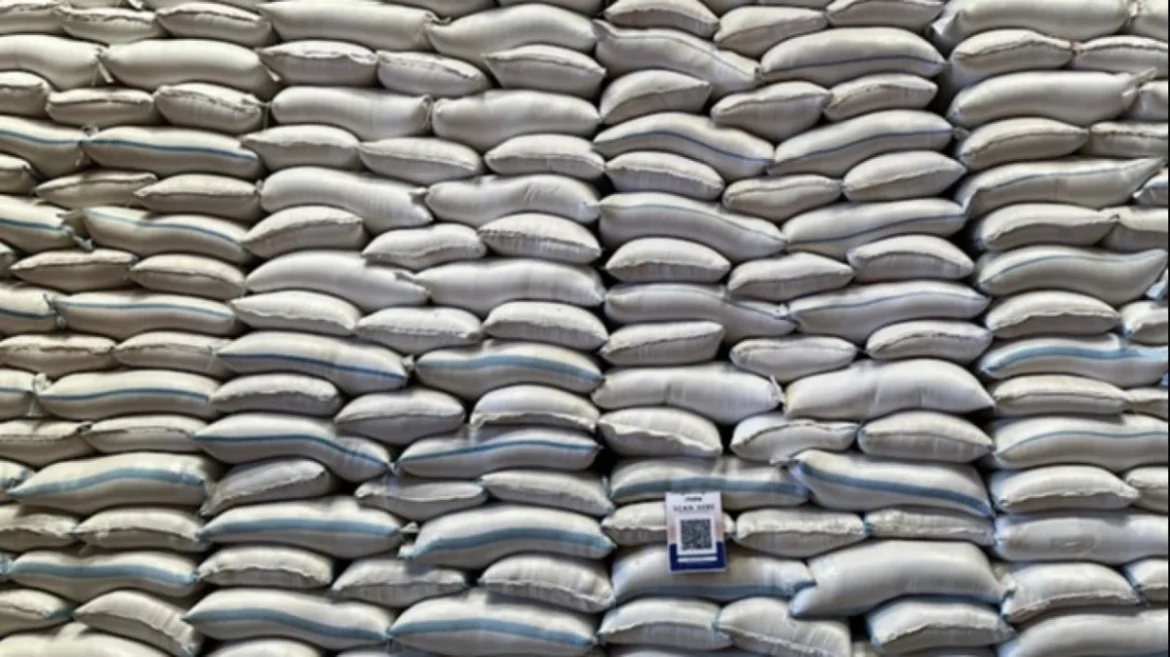
The national rice reserve controlled by Perum Bulog has reached a significant milestone, with total stocks currently recorded at 4.8 million tons. This substantial accumulation, confirmed by the state-owned logistics agency on September 26, 2026, serves as a strategic buffer intended to ensure price stability and consistent supply for the Indonesian population through the remainder of the calendar year. The surplus underscores a robust procurement phase, yet it also presents logistical challenges that have necessitated the expansion of storage infrastructure beyond the agency’s own facilities.
Scaling Logistical Infrastructure: The Shift to Private Partnerships
The sheer volume of 4.8 million tons of rice has surpassed the operational capacity of Perum Bulog’s existing network of government-owned warehouses. To manage this surplus effectively and maintain the quality of the grain, the agency has initiated a strategic shift toward utilizing private sector infrastructure. By employing a commercial rental system, Bulog is integrating private warehouses into its national distribution network.
Director of Perum Bulog, Ahmad Rizal Ramdhani, speaking from Cilacap, Central Java, emphasized that this decision was a functional necessity. "Our own warehouses are currently at maximum capacity. To ensure that the rice is stored under proper conditions, we have had to lease space from private entities. This is a critical step to ensure that the integrity of our national reserves is not compromised by a lack of storage space," he stated. This move reflects a broader trend in supply chain management where state agencies increasingly leverage private-public partnerships to mitigate bottlenecks during periods of high procurement.
Strategic Allocation and Social Safety Nets
The 4.8 million-ton reserve is not merely a dormant stockpile; it is a dynamic asset designed to fuel the government’s primary social welfare and market intervention programs. A significant portion of this inventory has been earmarked for the final quarter of 2026, a period often associated with inflationary pressure on basic food commodities.
According to the official projection, the allocation plan includes:

- Targeted Food Assistance: A comprehensive distribution program covering 33.2 million beneficiaries from October through December 2026. This assistance is aimed at shielding vulnerable households from potential price volatility during the transition into the new year.
- SPHP Program Expansion: The Supply Stabilization and Food Price (SPHP) program will see an additional 1 million tons of rice released into the market. The SPHP program has historically been the government’s primary tool for curbing price spikes in traditional and modern markets.
By executing these planned releases, Bulog expects to maintain a comfortable safety buffer. Even after accounting for these massive distributions, the agency projects that the year-end balance will remain at approximately 3.2 million tons, a figure well above the minimum safety threshold required by national food security standards.
Regional Perspectives: The Banyumas Example
The success of the national procurement strategy is mirrored in regional performance. In the Banyumas region—which encompasses the regencies of Cilacap, Banyumas, Purbalingga, and Banjarnegara—local Bulog offices report a collective stockpile of approximately 54,686 tons.
Prawoko Setyo Aji, the leader of the Bulog Banyumas Branch Office, noted that this regional volume is sufficient to meet local demand and support the broader national distribution network if necessary. These regional hubs play a vital role in shortening the supply chain, allowing the government to react quickly to localized shortages or price fluctuations. By maintaining high stocks at the regional level, Bulog ensures that the distribution process remains agile and responsive to the specific needs of different provinces.
Broader Implications for National Food Security
The accumulation of 4.8 million tons of rice is a significant development in Indonesia’s food security policy. In previous years, the government has frequently faced criticism regarding its ability to balance domestic procurement with the need for timely imports. However, the current inventory level suggests that the combination of local procurement efforts and proactive management of import quotas has been successful in stabilizing the domestic market.
The implications of this supply level are twofold:
- Price Stabilization: With a massive reserve ready to be deployed via the SPHP program, the government has a powerful lever to suppress speculative pricing. Traders and distributors are less likely to hoard rice when they know the state can flood the market with high-quality, government-subsidized grain at short notice.
- Economic Cushioning: The 33.2 million beneficiary households represent a significant portion of the Indonesian population. By ensuring these households have access to subsidized rice, the government is essentially providing a macroeconomic floor, preventing food price inflation from eroding the purchasing power of the middle and lower-income classes.
Challenges and Future Considerations
Despite the positive news, experts in the agricultural sector point out that high stock levels bring their own set of challenges. Storage, while currently addressed through private rentals, incurs significant costs. Furthermore, the management of these stocks requires rigorous quality control measures to prevent degradation due to moisture or pests, especially in a tropical climate like Indonesia’s.

There is also the recurring challenge of the agricultural calendar. As the country moves toward 2027, the focus will likely shift from accumulation to managing the "lean season" and ensuring that the procurement process does not negatively impact the income of local farmers. If the government floods the market too aggressively, it could suppress prices to a level that discourages farmers from planting in the next season. Therefore, the calibration of how much rice is released and when remains a delicate balancing act for the Ministry of Agriculture and Bulog.
Contextualizing the Market Environment
It is important to view this rice stock data in the broader context of Indonesia’s current food landscape. While rice supplies appear robust, other essential commodities, such as chili and poultry products, have shown signs of volatility. Data from the National Strategic Food Price Information Center (PIHPS) indicates that certain staples, such as red chili peppers, have recently experienced price spikes, reaching levels near Rp89,500 per kilogram.
This divergence in commodity performance highlights the complexity of food security. While the government has successfully secured the rice supply, the broader inflation of the food basket remains a concern. The resilience of the rice reserve provides a stable foundation for the government to then address these other more volatile segments of the food supply chain.
Conclusion: A Foundation for Stability
The announcement that Perum Bulog holds 4.8 million tons of rice represents a high-water mark for the agency’s strategic reserves. Through a combination of increased internal capacity and strategic leasing of private facilities, Bulog has successfully navigated the logistical hurdles of managing such a large volume.
As the government moves into the final quarter of 2026, the priority will remain the orderly distribution of these stocks to the 33.2 million identified beneficiaries and the continued deployment of the SPHP program. If the projections hold, the nation can expect a period of relative stability in the rice market, providing a necessary sense of security for both consumers and policymakers as they look toward the challenges of the coming year. This stockpile serves as a testament to the effectiveness of recent food security initiatives and sets a clear benchmark for the sustainability of national food management in the years to come.