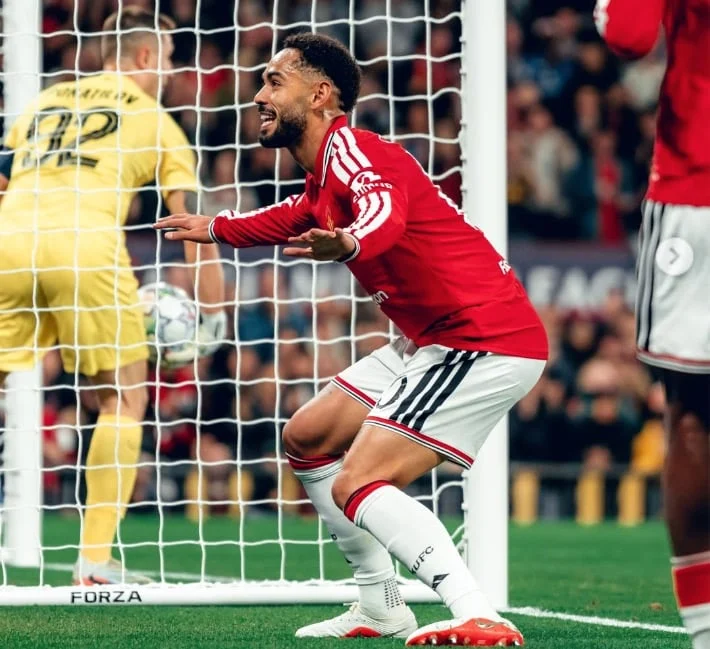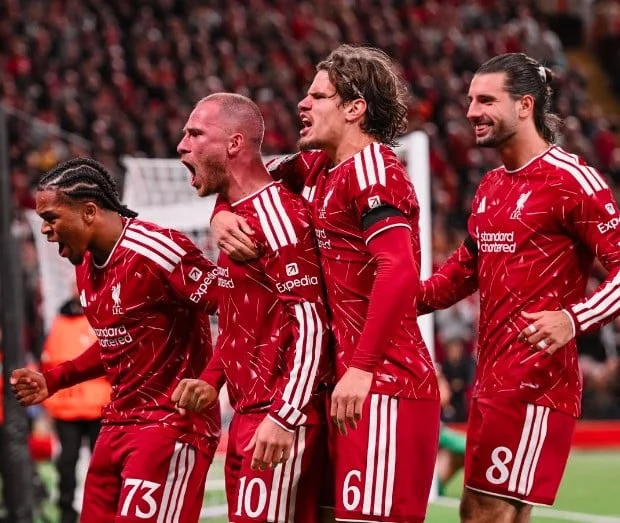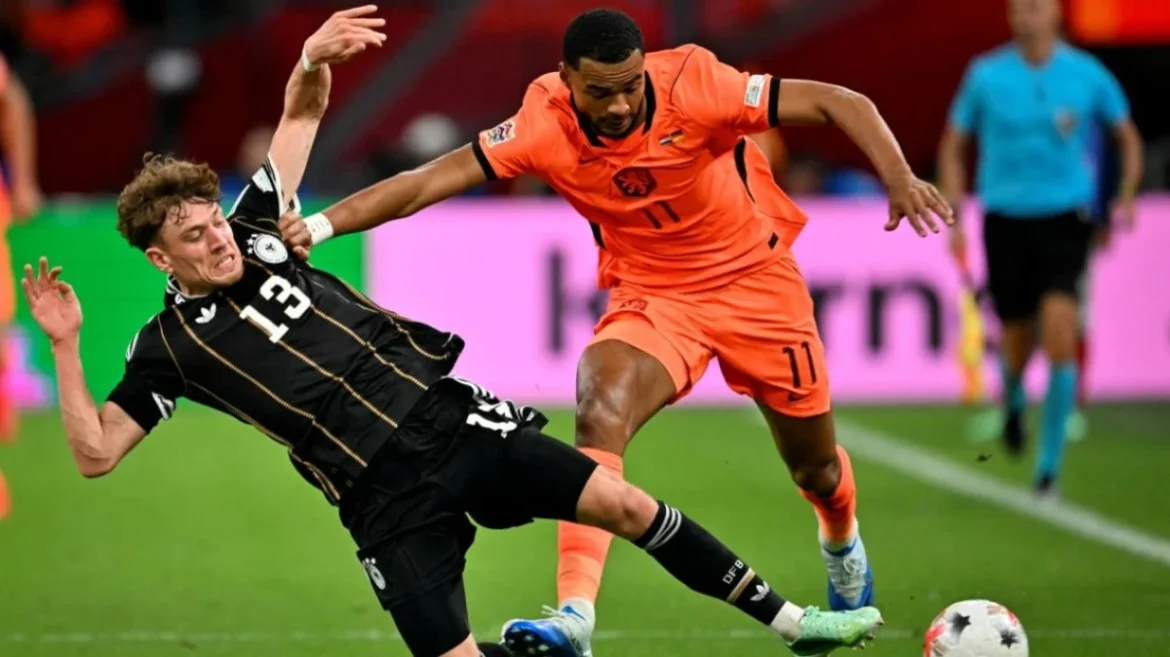
The Johan Cruijff Arena in Amsterdam played host to one of the most anticipated managerial showdowns of the modern football era on Friday, September 25, 2026. In their opening fixture of UEFA Nations League A Group 2 for the 2026-2027 campaign, the Netherlands and Germany locked horns in a tactical chess match that ultimately ended in a 1-1 stalemate. Beyond the traditional rivalry and group-stage implications, the fixture marked the official managerial debuts of two modern tactical masterminds: Xavi Hernandez at the helm of the Dutch national team, and Jurgen Klopp steering the German Nationalmannschaft.
While the tactical battle between Klopp’s famed high-intensity verticality and Xavi’s positional play blueprint captivated purists for the majority of 90 minutes, it was a moment of sheer individual brilliance deep into stoppage time that ensured the spoils were shared. Felix Nmecha had given the visitors a deserved first-half lead, but Liverpool forward Cody Gakpo struck in the 90+2nd minute, courtesy of a sensational trivela assist from Ruben van Bommel, rescuing a vital point for the Oranje in front of a capacity Amsterdam crowd.
Tactical Showdown and High Stakes in Group 2
The Group 2 encounter carried significance far beyond the standard three points awarded in the UEFA Nations League group stage. Both footballing powerhouses entered this tournament cycle on the heels of transitional periods, seeking to reestablish continental dominance following mixed results in major international tournaments. The German Football Association (DFB) pulled off a seismic coup by appointing Jurgen Klopp to revitalize a squad searching for its historical identity of relentless pressing and clinical efficiency. Simultaneously, the Royal Dutch Football Association (KNVB) turned to former Barcelona and Al-Sadd boss Xavi Hernandez, tasking the Spanish tactician with infusing the Dutch squad with a sophisticated, possession-oriented, positional structure.
The atmosphere inside the Johan Cruijff Arena was electric from the opening whistle, reflecting the magnitude of the managerial installations. Both managers opted for proactive, aggressive setups, neutralizing each other’s central midfields for large stretches of the first half while manufacturing high-tempo transitions. The match carried immense weight for the group standings, especially with other contenders like Greece and Serbia breathing down their necks in what pundits have dubbed the "Group of Death" of League A.
Chronology of a Thrilling Amsterdam Encounter
The match was characterized by fluctuating momentum, dramatic interventions from the Video Assistant Referee (VAR), forced tactical substitutions, and a frantic finish that tested the emotional endurance of both technical areas.
A Disallowed Opener and Early Setbacks
The Netherlands thought they had drawn first blood in the 12th minute when captain and defensive stalwart Virgil van Dijk rose majestically to power home a header from a well-delivered set-piece. The Amsterdam crowd erupted, celebrating what appeared to be a dream start for Xavi Hernandez’s side. However, the celebrations were cut short when the referee was advised by the VAR booth to review the incident on the pitchside monitor. Upon review, it was judged that striker Bryan Brobbey had impeded German goalkeeper Marc-Andre ter Stegen in the goal area, illegally obstructing the Barcelona shot-stopper’s path to the ball. The goal was chalked off, keeping the score level at 0-0.
Compounding the early drama, the visitors suffered a major injury blow just minutes before the half-hour mark. Star playmaker Kai Havertz went down awkwardly under a challenge, clutching his hamstring. The Arsenal forward was unable to continue, forcing Jurgen Klopp into an unscripted tactical reshuffle in the 30th minute. Klopp handed an unexpected international debut to young prospect Younes Ebnoutalib, thrusting the teenager into the high-pressure cauldron of an El Clásico of the Low Countries. Despite his tender experience, Ebnoutalib immediately showed flashes of composure, testing the Dutch defense with a clever effort from a tight angle shortly after entering the pitch.

Germany Breaks the Deadlock
Just as the tactical arm-wrestle seemed destined to reach halftime scoreless, Germany capitalized on a defensive lapse from the hosts. In the 32nd minute, the Dutch backline failed to effectively clear their lines following a sustained period of German pressure. The loose ball dropped invitingly to the edge of the penalty box, right into the path of Felix Nmecha. The Borussia Dortmund midfielder demonstrated exceptional technique, keeping his shot low and hard through a forest of legs, beating Dutch goalkeeper Bart Verbruggen cleanly to his right-hand corner.
The goal silenced the home supporters and validated Klopp’s initial tactical blueprint, which had successfully suffocated the Dutch build-up play in the middle third of the pitch. Germany took their 1-0 lead into the interval, leaving Xavi with significant tactical problems to solve during the half-time team talk.
The Second-Half Siege and Ter Stegen’s Heroics
Staring defeat in the face during his managerial bow, Xavi Hernandez adjusted his team’s tactical shape at halftime, demanding higher intensity in the press and quicker ball circulation from his midfielders. The tactical shift immediately paid dividends in terms of territorial dominance, as the Netherlands completely penned Germany into their own half for long sequences of the second period.
Wing-back Denzel Dumfries began to find pockets of space down the right flank, creating havoc with his trademark overlapping runs. In the 60th and 62nd minutes respectively, Dumfries and substitute Meerdink carved out gilt-edged scoring opportunities, only to find the German defensive wall resolute. Meerdink, introduced to inject fresh impetus into the Dutch frontline, was denied point-blank by Marc-Andre ter Stegen in the 72nd minute, as the veteran goalkeeper showcased world-class reflexes to maintain Germany’s slender advantage.
As the clock ticked toward regulation time, the onslaught intensified. Ruben van Bommel, another bright spark off the bench, unleashed a ferocious long-range drive in the 88th minute that looked destined for the top corner, only for Ter Stegen to produce a fingertip save that kept the German lead intact. It appeared that Ter Stegen’s masterclass between the posts would single-handedly secure all three points for Klopp’s side.
The Dramatic Late Equalizer
Football, however, rarely follows a predictable script. With the match bleeding into the second minute of stoppage time (90+2′), the sustained Dutch pressure finally pulverized the German resistance.
Ruben van Bommel received possession wide on the left channel. Spotting a momentary lapse in concentration from the German center-backs, Van Bommel executed a magnificent, audacious trivela cross with the outside of his right boot, arcing the ball perfectly behind the defensive line. Cody Gakpo timed his run to absolute perfection. Meeting the flight of the ball on the volley, Gakpo directed a precise, deft redirection past Ter Stegen and into the back of the net.
The Johan Cruijff Arena exploded in jubilation as the scoreboard flipped to 1-1, capping a frenetic finale and rewarding the hosts for their relentless second-half persistence.

Post-Match Standings and Broader Group Implications
The final whistle confirmed a share of the spoils, a fair reflection of a game of two distinct halves where Germany dominated the tactical chess match of the first period, while the Netherlands imposed their will during a relentless second-half wave of attacks.
Following the conclusion of Matchday 1 in UEFA Nations League A Group 2, the table presents an intriguing narrative. Greece currently sits atop the group standings after securing a hard-fought 2-1 victory over Serbia in their concurrent fixture. Germany occupies second place courtesy of their defensive resilience and away goal, while the Netherlands sit closely behind in third place.
The draw leaves all four teams with everything to play for as the group stage intensifies. For Xavi Hernandez and Jurgen Klopp, the fixture provided invaluable empirical data regarding the strengths and vulnerabilities of their respective squads as they navigate the rigorous demands of international management.
Looking Ahead: The Road to Matchday 2
The schedule affords little time for recovery or tactical reflection as both managerial debutants prepare for their next continental tests.
The Netherlands will pack their bags for a challenging away trip to face Serbia, a hostile environment where Xavi’s tactical discipline will undoubtedly face another stern examination against a physical and proud Balkan side. Meanwhile, Germany will return to home soil, preparing to welcome group leaders Greece in what promises to be a tactically fascinating encounter at a yet-to-be-announced German venue.
As the 2026-2027 UEFA Nations League campaign gathers momentum, the historic rivalry between the Dutch and the Germans has once again delivered a memorable chapter, heightened by the intriguing presence of two of football’s most celebrated minds patrolling the technical areas.