
Jakarta, Indonesia – July 18, 2026 – The National Nutrition Agency (BGN) has embarked on a sweeping overhaul of approximately 27,000 Nutrition Fulfillment Service Units (SPPGs) integral to the ambitious Free Nutritious Meal Program (MBG). This extensive restructuring follows the BGN’s decision to temporarily suspend collaborations with a number of partners, a move described as essential for an exhaustive evaluation and significant improvements in the program’s overall governance. The decision, announced by BGN officials, underscores a critical juncture for a flagship national initiative designed to combat malnutrition and stunting across the Indonesian archipelago.
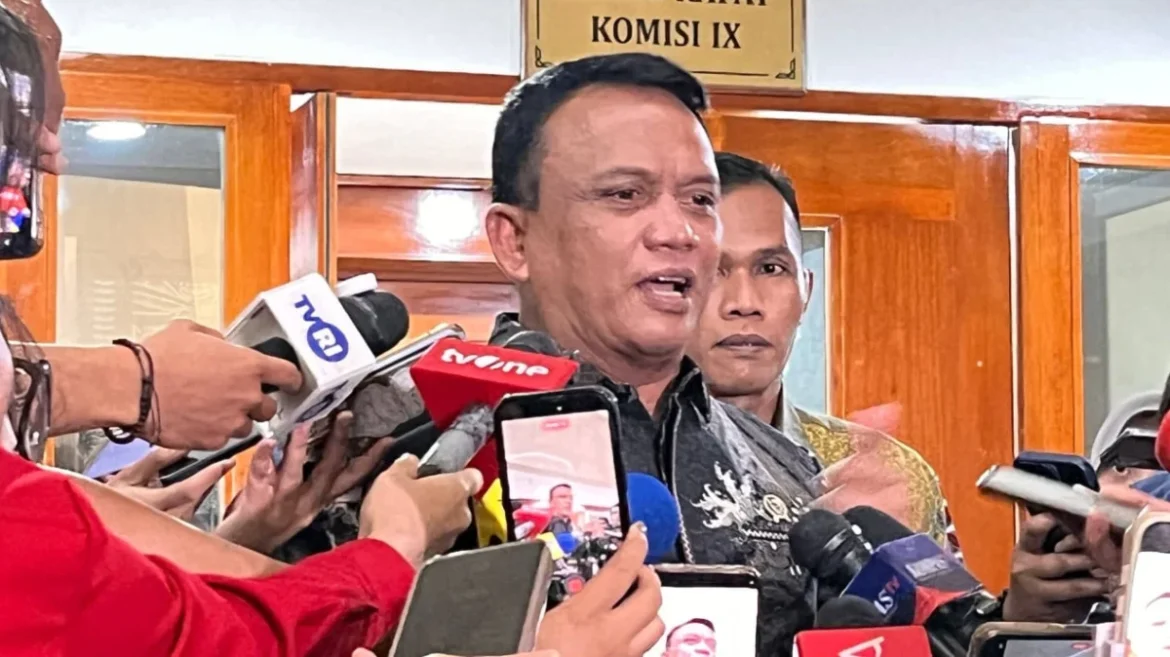
The announcement was made public by Deputy Head of BGN, Major General (Ret.) Trenggono, who unequivocally stated that the cessation of partnerships is strictly provisional, not a permanent termination. Speaking at the Parliament Complex in Senayan, Jakarta, on Friday, July 17, 2026, Trenggono addressed concerns raised by partners and parliamentary oversight bodies. "Yesterday, we received complaints from partners who came here to express their grievances. Questions were also posed by Commission IX. Our clear response is that this temporary suspension is not permanent; it is precisely that – temporary. We must be given time to reorganize," Trenggono explained, emphasizing the agency’s commitment to transparency and operational integrity.
Background to the Free Nutritious Meal Program (MBG)
The Free Nutritious Meal Program (MBG) is a cornerstone initiative of President Prabowo Subianto’s administration, fulfilling a key electoral promise aimed at significantly improving public health indicators, particularly among children. Launched with the primary objective of tackling Indonesia’s persistent issues of stunting and malnutrition, the MBG seeks to provide daily nutritious meals to millions of school-aged children and vulnerable populations. Stunting, defined as low height-for-age, affects approximately one in three children under five in Indonesia, leading to long-term cognitive and physical development impairments that hinder national productivity and human capital development. The MBG program was designed not only as a direct nutritional intervention but also as a catalyst for local economic growth, engaging thousands of small and medium-sized enterprises (SMEs) as SPPGs responsible for meal preparation and distribution.
The BGN, established to coordinate and implement national nutrition policies, plays a pivotal role in the MBG’s execution. Its mandate includes setting nutritional standards, overseeing food procurement, ensuring hygienic preparation, and managing the vast network of SPPGs. The program’s scale is unprecedented, targeting diverse geographical areas from bustling urban centers to remote, isolated communities, reflecting the complexity of food security challenges in an archipelagic nation comprising over 17,000 islands. Initial projections for the program anticipated reaching tens of millions of beneficiaries, requiring a substantial national budget allocation and intricate logistical planning.
Chronology of Events Leading to the Evaluation
The journey towards this comprehensive evaluation began with the enthusiastic launch of the MBG program, following President Prabowo Subianto’s inauguration. Initial implementation phases saw a rapid expansion of SPPGs across various regions, driven by the urgent need to address nutritional deficits. However, the sheer scale and speed of deployment inevitably led to operational challenges.
- Early 2026: Following the formal launch of the MBG program, thousands of SPPGs, ranging from established catering companies to community kitchens and local cooperatives, were onboarded to prepare and distribute meals. The rapid expansion aimed to quickly cover target populations.
- April – June 2026: Initial reports and anecdotal evidence began to surface regarding inconsistencies in meal quality, logistical bottlenecks, and administrative irregularities in certain areas. Concerns were internally flagged within BGN and government oversight bodies.
- Wednesday, July 15, 2026: A critical limited meeting was convened at the Presidential Palace, chaired by President Prabowo Subianto. Key ministers, including Coordinating Minister for Food Zulkifli Hasan, attended to discuss mounting issues surrounding the MBG program. The meeting underscored the government’s commitment to swiftly address any deviations from the program’s objectives.
- Thursday, July 16, 2026: Following the presidential directive, BGN intensified its internal review processes, leading to the decision to temporarily suspend partnerships with SPPGs exhibiting irregularities.
- Friday, July 17, 2026: Deputy Head of BGN, Major General (Ret.) Trenggono, publicly announced the temporary suspension and the impending comprehensive restructuring plan, explaining the rationale to the public and parliamentary representatives.
- Saturday, July 18, 2026: News outlets extensively reported on BGN’s decision, bringing the program’s challenges into sharp focus and initiating public discourse on its future.
Intensive Review and Re-evaluation Process
Major General (Ret.) Trenggono detailed the meticulous nature of the upcoming review. "All 27,000-plus units will be re-examined, and we will reorganize them. Furthermore, we will also grant time to other SPPGs, including those in 3T regions, to comply. Please give us time to reorganize everything," he reiterated. This statement highlights the immense logistical undertaking facing the BGN, requiring a systematic re-assessment of each SPPG’s operational capacity, adherence to nutritional standards, financial probity, and logistical capabilities.
The re-evaluation will encompass a wide array of criteria:
- Operational Readiness: Verifying if SPPGs possess fully functional kitchens, adequate storage facilities, and necessary equipment as per BGN’s guidelines.
- Hygiene and Food Safety Standards: Ensuring compliance with strict food safety protocols to prevent health risks.
- Nutritional Compliance: Confirming that meals meet the specified nutritional content and caloric intake targets.
- Financial Accountability: Scrutinizing financial records to prevent misuse of funds and ensure transparent procurement processes.
- Logistical Capabilities: Assessing the ability of SPPGs to consistently deliver meals to designated beneficiaries, especially in challenging 3T (Disadvantaged, Foremost, Outermost) regions where infrastructure is often limited.
Trenggono emphasized that the evaluation process would specifically extend to SPPGs located in the 3T regions. These areas, often characterized by geographical isolation and socio-economic disparities, present unique challenges for program implementation. Ensuring the MBG runs optimally in these critical areas is paramount to achieving national equity in nutrition and health outcomes. The BGN’s commitment to dedicating time for these specific units reflects an understanding of their particular operational difficulties and the need for tailored support.
Addressing Program Irregularities and Misuse
The decision to initiate this restructuring was directly prompted by a range of issues identified during the initial implementation phase. Coordinating Minister for Food Zulkifli Hasan, after the limited meeting with President Prabowo, confirmed that the government would thoroughly investigate various problems that had emerged as "obstacles or abuses" within the MBG program.
Zulkifli Hasan elaborated on some of these critical concerns: "There are many issues. Those concerning misuse, then points of delivery that are eligible but lack SPPGs, and numerous designated locations where SPPGs have not yet been established. There are also instances where facilities have been built but are not yet operational. Many, many issues, indeed." These revelations paint a picture of a program grappling with significant operational discrepancies, ranging from potential financial irregularities to severe gaps in infrastructure and readiness.
Specifically, the "misuse" mentioned by Zulhas could encompass various forms, including diversion of funds, inflated costs, procurement fraud, or the distribution of substandard meals. The problem of designated locations lacking operational kitchens or fully established SPPGs points to a fundamental flaw in the initial vetting or rollout process, where infrastructure did not keep pace with the program’s ambitious targets. This can lead to delays in meal delivery, wasted resources, and ultimately, a failure to reach the intended beneficiaries.
Dialogue and Engagement with Partners
Despite the temporary suspension, the BGN has affirmed its commitment to maintaining open lines of communication with its vast network of partners. Trenggono underscored that the current pause is not indicative of an unwillingness to engage but rather a strategic step to ensure more productive future dialogues. "So, once again, perhaps to our partners, it’s not that we don’t want to communicate, no. We are also providing an opportunity, but we will find the appropriate time so that we can engage in constructive dialogue," he stated.
This approach suggests that BGN intends to finalize its internal assessment and establish clearer, revised guidelines before re-engaging with partners. This would allow for a more structured discussion, addressing specific issues identified during the evaluation and outlining the revised requirements for continued participation in the MBG program. Partners, many of whom are small businesses, have expressed concerns about the financial implications of temporary suspension and the uncertainty surrounding their future involvement. Providing clarity and a defined timeline for re-engagement will be crucial for maintaining their trust and ensuring the program’s long-term viability.
Broader Implications and Future Outlook
The BGN’s decisive action to restructure the MBG program carries significant implications across several dimensions:
- Program Efficacy and Public Health: A successful restructuring will be critical to realizing the MBG’s potential in combating stunting and improving child nutrition. Any prolonged disruption or failure to address fundamental issues could undermine public trust and delay progress on vital health indicators. The program’s effectiveness is directly linked to Indonesia’s ability to develop a healthy, productive future generation.
- Economic Impact: The temporary suspension impacts thousands of SPPGs, their employees, and local suppliers who rely on the program for their livelihoods. While necessary for reform, the BGN must manage this transition carefully to minimize economic disruption and support affected businesses through clear communication and, potentially, transition assistance. The program’s original intent was to also stimulate local economies, so ensuring the continued participation of legitimate, compliant local partners is vital.
- Governance and Transparency: This episode highlights the inherent challenges of implementing large-scale social programs in a diverse nation. It underscores the critical need for robust governance frameworks, rigorous oversight mechanisms, and unwavering transparency to prevent misuse and ensure accountability. The parliamentary oversight, particularly from Commission IX which typically handles health, manpower, and social affairs, will be intensified.
- Public Trust: The government’s proactive response to identified problems, while potentially disruptive in the short term, can ultimately bolster public confidence in its commitment to good governance and effective program delivery. However, the success of the restructuring and the swift re-establishment of a functional, transparent program will be key to maintaining this trust.
- Sustainability of Social Programs: The lessons learned from the MBG’s initial phase and subsequent restructuring will provide invaluable insights for the design and implementation of future large-scale social welfare programs in Indonesia. It emphasizes the importance of thorough planning, phased rollouts, continuous monitoring, and flexible adaptive management.
The BGN’s undertaking is a monumental task, requiring careful coordination, robust data analysis, and effective communication. By taking this decisive step, the agency aims to fortify the foundations of the Free Nutritious Meal Program, ensuring it operates with optimal efficiency, transparency, and integrity. The coming months will be crucial in determining the success of this ambitious restructuring and, by extension, the long-term impact of the MBG on the health and future of Indonesia’s children. The national focus remains on seeing a reinvigorated program emerge, capable of consistently delivering on its promise of a healthier, more nourished generation.
