
Leafy green vegetables, including beloved staples like lettuce, spinach, kale, broccoli, and mustard greens, are nutritional powerhouses, packed with essential vitamins, minerals, and vital dietary fiber. Their popularity in modern diets, often consumed raw in salads and smoothies, underscores their perceived health benefits. However, this very characteristic – being frequently eaten uncooked – coupled with their growth habits, renders them susceptible to contamination, posing a significant risk of foodborne illness if not handled with meticulous care. Experts emphasize that a simple rinse is often insufficient to ensure the safety of these nutrient-rich foods.
The vulnerability of leafy greens to contamination stems from their close proximity to the soil during growth. This natural environment means they are constantly exposed to potential contaminants from various sources, including irrigation water, soil-borne pathogens, and animal waste. When these vegetables are consumed without undergoing a cooking process that would typically kill harmful microorganisms, the risk of ingesting pathogens like E. coli, Salmonella, and Listeria increases dramatically. This has led to leafy greens being frequently implicated in outbreaks of foodborne diseases, a concern highlighted by food safety professionals.
Understanding the Risks Associated with Leafy Greens
The agricultural practices surrounding the cultivation of leafy greens, while efficient, can inadvertently create pathways for contamination. Fields can be irrigated with water that may have been exposed to animal feces, or may contain agricultural runoff carrying pathogens. Furthermore, the soil itself can harbor these microorganisms. While harvesting and processing aim to minimize contamination, the complex structure of some leafy greens, with their numerous nooks and crannies, can make it challenging to remove all residual contaminants.
Francisco Diez-Gonzalez, Director of the Center for Food Safety and a professor of food science at the University of Georgia, explains that the issue is compounded by the fact that "leafy greens are often associated with foodborne illness outbreaks because they are consumed without a process that can kill microorganisms after they are harvested from the field." This means the burden of ensuring safety largely falls on the consumer and the supply chain leading up to consumption.
The Science Behind the Contamination
Microorganisms, whether bacteria or viruses, can adhere to the surface of leafy greens. Some can even penetrate the cuticle of the leaves, making them more difficult to remove through external washing. The presence of moisture on the leaves can also facilitate microbial growth if conditions are favorable. Studies have shown that certain pathogens can survive on leafy greens for extended periods, underscoring the need for effective decontamination methods.
For instance, research published in the Journal of Food Protection has investigated the survival rates of E. coli O157:H7 on lettuce under various storage conditions. Findings often indicate that even at refrigeration temperatures, the bacteria can persist, highlighting the critical role of proper washing and handling.
Expert Recommendations for Safe Consumption
While no method can guarantee the complete elimination of all germs, experts universally agree that selecting, washing, and storing leafy green vegetables correctly can significantly mitigate the risk of foodborne illness. This multi-faceted approach is crucial for public health.
H2: Best Practices for Washing Leafy Greens
All leafy green vegetables should undergo a thorough washing process before consumption. The recommended steps, as advised by food safety experts, aim to maximize the removal of surface contaminants.
"The washing process can reduce approximately 90 percent of the microbes clinging to the leaf surface, and drying them with a towel helps to perfect this process," states Diez-Gonzalez. This indicates that simple rinsing, while a necessary first step, is only part of the solution.
The general recommended procedure involves:
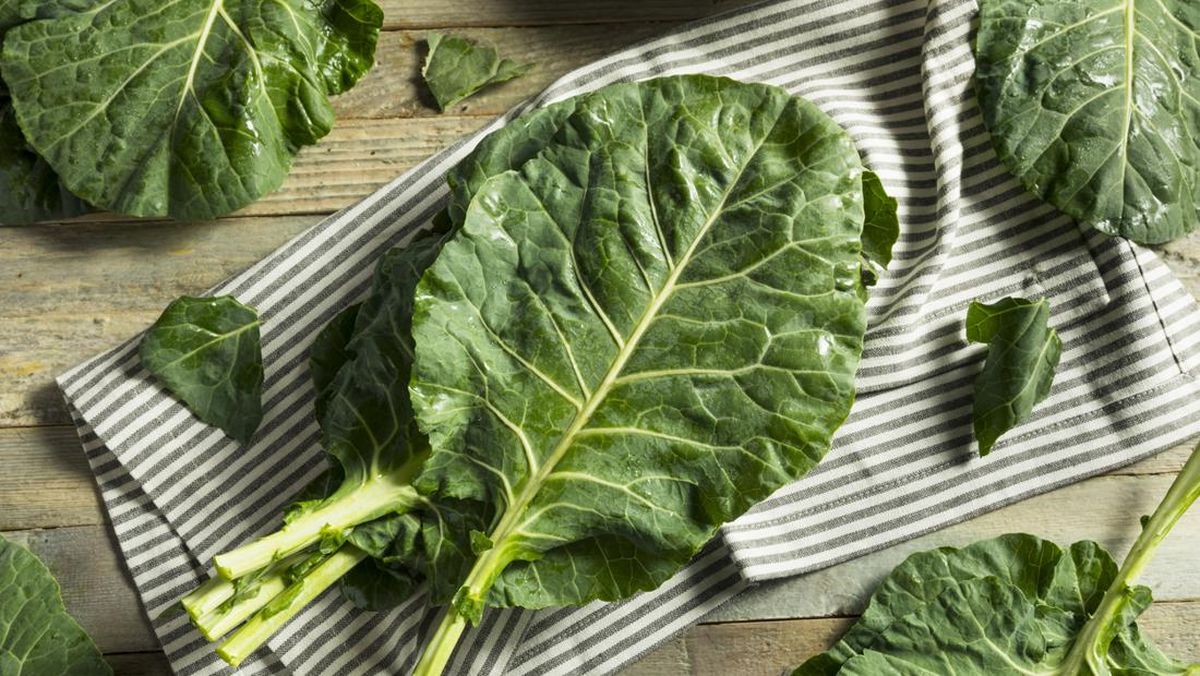
- Pre-rinsing: Gently rinse the greens under cool running water to remove loose dirt and debris. This initial rinse helps to dislodge larger particles that might otherwise be rubbed into the leaves during subsequent steps.
- Soaking (Optional but Recommended for Heavily Contaminated Produce): For greens that appear particularly dirty or come from a source with higher contamination risk, a brief soak in cool water can be beneficial. This allows water to penetrate between the leaves and loosen more stubborn contaminants.
- Agitation/Washing: This is the critical step. Gently rub the leaves under cool running water. For heartier greens like kale or romaine lettuce, this might involve carefully separating the leaves and rubbing them together. For more delicate greens like spinach, a gentler approach is needed. Some experts recommend using a vegetable brush for tougher-skinned vegetables like broccoli, but this is less applicable to most leafy greens.
- Multiple Rinses: Repeat the rinsing process at least two to three times, or until the water runs clear and no visible debris remains. This ensures that loosened contaminants are effectively washed away.
- Drying: This step is often overlooked but is crucial. Thoroughly drying the greens is as important as washing them. Moisture can promote microbial growth. Use a salad spinner for best results, followed by patting the leaves dry with clean paper towels or a lint-free kitchen towel. This removes excess water and helps to achieve the desired texture for salads.
H2: The Role of Blanching for Sturdier Greens
For vegetables with firmer leaves, such as kale, broccoli, or mature spinach, experts suggest an additional safety measure: blanching. This technique involves briefly immersing the vegetables in boiling water, followed by an immediate plunge into ice water.
The blanching process is straightforward:
- Bring a pot of water to a rolling boil.
- Prepare a large bowl of ice water.
- Carefully place the leafy greens into the boiling water for a short duration, typically 30 seconds to 2 minutes, depending on the type and size of the vegetable.
- Immediately remove the greens from the boiling water and immerse them in the ice water. This rapid cooling stops the cooking process, preserving the color and texture of the vegetables.
Martin Bucknavage, a food safety expert from Penn State University, explains that blanching is a common practice, often performed before freezing vegetables, which helps to maintain their vibrant color and prevent a mushy texture upon thawing. Crucially, "Blanching also destroys germs, so it does have a sanitizing function," he notes. This dual benefit makes it a valuable technique for specific types of leafy greens.
However, Bucknavage cautions that this method is not suitable for tender greens like lettuce. The heat from blanching would irrevocably damage their crisp texture and delicate flavor, rendering them unappetizing.
H2: What NOT to Use for Washing Greens
A critical warning from food safety professionals is to never wash leafy greens with soap, bleach, or any household cleaning agents. These substances can be absorbed by the porous surface of the leaves. The residues left behind can be harmful, and in some cases, more toxic than the pathogens they are intended to remove. The safest and most effective method for washing leafy greens is with clean, cool water.
H3: The Evolution of Food Safety Standards
The recognition of leafy greens as a high-risk food category has prompted significant advancements in food safety protocols throughout the agricultural supply chain. In recent decades, there has been a concerted effort by regulatory bodies, agricultural associations, and individual farms to implement more stringent practices. These include:
- Water Quality Monitoring: Regular testing of irrigation water sources to ensure they meet safety standards.
- Traceability Systems: Implementing systems that allow for the tracking of produce from farm to table, enabling faster identification and recall of contaminated products.
- Good Agricultural Practices (GAPs): Adherence to guidelines that promote safe farming practices, including proper manure management, prevention of animal intrusion into fields, and the use of safe harvesting equipment.
- Post-Harvest Handling: Improved techniques for washing, cooling, and packaging produce to minimize microbial growth during transportation and storage.
The Food and Drug Administration (FDA) in the United States, for example, has established guidelines and conducts inspections to ensure that the produce industry adheres to safety standards. Similar regulatory frameworks exist in other developed nations, reflecting a global commitment to enhancing food safety.
H3: Analyzing the Implications of Foodborne Illness Outbreaks
Foodborne illness outbreaks linked to leafy greens can have far-reaching consequences. Beyond the immediate health impacts on individuals, including gastrointestinal distress, dehydration, and in severe cases, hospitalization or even death, these outbreaks can result in significant economic losses.
- Economic Impact: Recalls of contaminated produce can cost companies millions of dollars in lost product, logistical expenses for retrieval, and reputational damage. Consumers may also lose confidence in certain brands or types of produce, leading to decreased sales. The healthcare costs associated with treating foodborne illnesses also represent a substantial economic burden.
- Public Health Concerns: Repeated outbreaks can erode public trust in the food supply. This can lead to increased anxiety among consumers and a reluctance to consume certain healthy foods, potentially impacting overall dietary health.
- Agricultural Sector Impact: The agricultural sector, particularly growers of leafy greens, can face immense pressure to demonstrate their commitment to food safety. This can involve investing in new technologies, implementing rigorous testing protocols, and educating their workforce on best practices.
H3: The Role of Consumer Vigilance
While the responsibility for ensuring food safety begins on the farm, consumer vigilance plays a crucial role. Consumers are encouraged to:
- Purchase Produce Wisely: Buy produce that is not bruised or damaged.
- Follow Storage Guidelines: Refrigerate leafy greens promptly after purchase.
- Practice Good Hygiene: Wash hands thoroughly with soap and water before and after handling produce.
- Be Informed: Stay aware of any food safety alerts or recalls issued by health authorities.
By adhering to expert recommendations for washing and preparation, and by remaining informed about food safety practices, consumers can significantly reduce their risk of contracting foodborne illnesses from even the healthiest of foods. The continued collaboration between agricultural producers, regulatory bodies, and informed consumers is essential for safeguarding public health and ensuring the continued enjoyment of nutritious leafy green vegetables.