
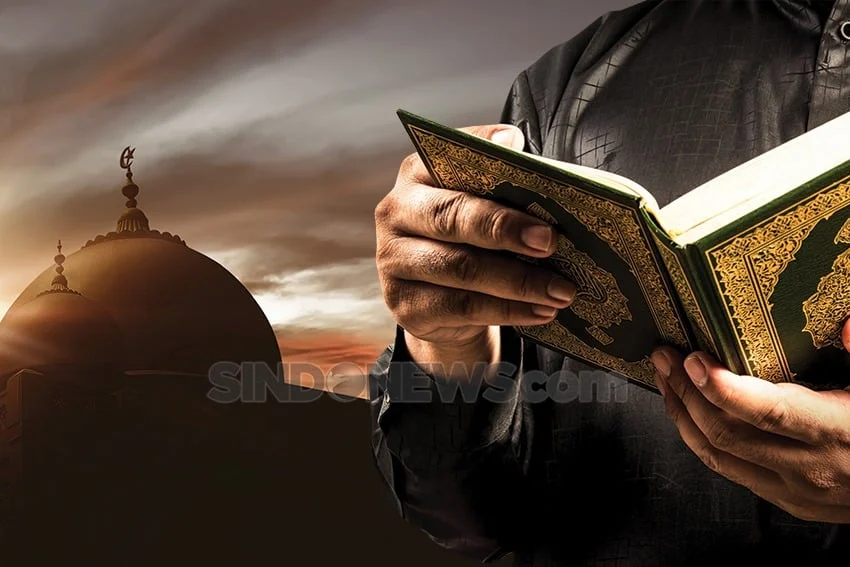
Surah Al-Baqarah, the second and longest chapter of the Al-Quran, occupies a position of unparalleled importance in Islamic theology and daily practice. Comprising 286 verses, it serves as a comprehensive guide for legal, social, and spiritual conduct. While the entire surah is revered, Islamic tradition places a profound emphasis on its concluding verses, specifically verses 285 and 286. These verses are not merely considered a summary of the Islamic creed but are also regarded as a source of divine protection and spiritual sufficiency for those who recite them. The significance of these verses is rooted in numerous prophetic traditions (Hadiths) that highlight their unique origin and the immense rewards associated with their recitation, particularly during the night.
The broader context of Surah Al-Baqarah is essential to understanding why its conclusion is so highly regarded. Known as the "Pinnacle of the Quran," the surah was revealed in Medina over an extended period, addressing the needs of a growing Muslim community. It covers a vast array of topics, from the story of creation and the history of earlier prophets to intricate laws regarding inheritance, marriage, and usury. However, the spiritual weight of the surah is often encapsulated in its "virtues," a term used by scholars to describe the specific benefits of certain chapters. Among these virtues is the classification of Surah Al-Baqarah and Surah Ali ‘Imran as "Al-Zahrawan," or the two bright flowers.
The Virtues of the Two Bright Flowers
According to a narration by Abu Umamah, Prophet Muhammad (peace be upon him) urged his followers to engage deeply with these two chapters. He stated that on the Day of Judgment, Surah Al-Baqarah and Surah Ali ‘Imran would appear as two clouds, two shades, or two flocks of birds in ranks, shielding and advocating for those who recited them. This imagery underscores the protective nature of these scriptures in the afterlife. Furthermore, the Prophet emphasized that the regular recitation of Surah Al-Baqarah brings "barakah" (blessing), while its neglect results in "hasrah" (regret).
One of the most striking claims regarding Surah Al-Baqarah is its role as a spiritual fortress. The Prophet noted that "the magicians" or "the falsehood-mongers" (al-batala) are unable to overcome or withstand it. In the context of Islamic spiritual healing, or Ruqyah, this surah is frequently utilized to cleanse homes of negative spiritual influences and to protect individuals from the effects of sorcery or the "evil eye." The conclusion of the surah, therefore, acts as a final, potent seal on this protective message.
The Sufficiency of the Final Two Verses
The specific focus on the last two verses—verses 285 and 286—is supported by a widely cited Hadith recorded by Abdur Razzaq and others. The Prophet Muhammad is reported to have said that whoever recites these two verses at night, it will be "sufficient" for them. Islamic scholars have long debated the exact meaning of "sufficient" (kafatahu) in this context. Some interpret it to mean that the recitation is sufficient as a substitute for the Tahajjud (nightly voluntary prayer) if the believer is unable to perform it. Others suggest it means the verses provide sufficient protection against all forms of evil, harm, and spiritual distraction throughout the night.
This concept of sufficiency highlights the mercy inherent in Islamic practice. For a believer who might be exhausted or unable to engage in lengthy late-night vigils, the recitation of these two short verses provides a path to attaining a similar spiritual standing. It is a manifestation of the Quranic principle that "God does not burden a soul beyond its capacity," a sentiment that is ironically explicitly stated within the very verses being discussed.
A Treasure from Beneath the Throne
The theological weight of verses 285 and 286 is further elevated by their unique origin. Traditional accounts suggest that these verses were not revealed in the same manner as the rest of the Quran. While most of the Quran was brought down by the Angel Jibril (Gabriel) to the Prophet on Earth, these specific verses are described as a "treasure from beneath the Throne (‘Arsh) of Allah."
Some narrations link the revelation of these verses to the Isra’ and Mi’raj (the Night Journey and Ascension). During this miraculous event, when the Prophet ascended through the heavens to the Divine Presence, he was granted three specific gifts: the five daily prayers, the concluding verses of Surah Al-Baqarah, and the promise that major sins would be forgiven for those who do not associate partners with God. This divine "hand-delivery" marks these verses as a direct link between the Creator and the believer, bypasssing the usual channels of revelation.
Thematic Analysis: A Covenant of Faith and Mercy
To understand why these verses are so powerful, one must look at their content. Verse 285, often referred to by its opening words "Amanar-Rasulu" (The Messenger believes), serves as a declaration of faith. It outlines the pillars of Islamic belief: belief in Allah, His angels, His books, and His messengers. It emphasizes the unity of the prophetic message, stating that "we make no distinction between any of His messengers." This verse represents the total submission of the believer, concluding with the powerful affirmation: "We hear and we obey. [We seek] Your forgiveness, our Lord, and to You is the [final] destination."
Verse 286 transitions from a declaration of faith to a profound supplication. It establishes the legal and spiritual framework of Islam: that responsibility is commensurate with ability. The verse contains several key petitions:
- A plea for God not to take the believer to account for forgetfulness or unintentional errors.
- A request not to be burdened with the heavy obligations placed upon previous generations.
- A prayer for strength to not be tested beyond what one can bear.
- A final plea for pardon, forgiveness, and mercy.
The verse ends with the phrase, "You are our protector, so give us victory over the disbelieving people." This transition from individual responsibility to a collective plea for divine help makes the verses a complete spiritual manual for the believer’s relationship with the Divine.
Impact on Daily Life and Psychological Well-being
In the modern era, the recitation of these verses has found renewed relevance as a tool for psychological and emotional grounding. The stresses of contemporary life often lead to feelings of being overwhelmed, which the Quran addresses directly in verse 286. By reciting the promise that "Allah does not charge a soul except [with that within] its capacity," believers are reminded of their inherent resilience and the compassionate nature of their Creator.
The practice of reciting these verses before sleep is a standard recommendation in Islamic "Sunnah" (prophetic practice). From a behavioral perspective, this ritual provides a sense of closure to the day, shifting the focus from worldly anxieties to spiritual trust. The belief in the "sufficiency" of these verses acts as a spiritual insurance policy, allowing the practitioner to rest with a sense of security and divine guardianship.
Scholarly and Community Perspectives
Across the Muslim world, from Southeast Asia to the Middle East, the "Amanar-Rasulu" is one of the most frequently memorized and recited portions of the Quran. Religious scholars often emphasize that these verses should be taught to children early, not just for the reward of recitation, but as a foundational lesson in Islamic creed.
In Indonesia, where the source article originated, the recitation of Surah Al-Baqarah is often part of community gatherings and "tahlilan" or "dzikir" sessions. The specific mention of these verses in local media highlights a persistent cultural commitment to maintaining spiritual traditions in a rapidly modernizing society. By framing these verses as a "gift" and a "protection," religious leaders aim to provide the community with accessible tools for spiritual maintenance.
Conclusion and Broader Implications
The final two verses of Surah Al-Baqarah represent a unique intersection of theology, law, and spirituality. They are a summary of what it means to be a believer—acknowledging the divine hierarchy, accepting responsibility, and constantly seeking mercy. The historical and prophetic data surrounding these verses suggest they are more than just text; they are a spiritual technology designed to provide "sufficiency" in an uncertain world.
As Islamic practice continues to evolve, the emphasis on these verses remains a constant. They serve as a reminder that the Quran is not merely a book of rules, but a source of active protection and comfort. For the believer, the act of reciting verses 285 and 286 is an act of reclaiming one’s peace, reaffirming one’s faith, and invoking a divine shield that was forged beneath the very Throne of the Creator. Whether viewed through the lens of ancient Hadith or modern spiritual practice, the "two bright flowers" of Al-Baqarah continue to offer a shade that many find indispensable in the journey of life.
