

Jakarta, CNN Indonesia – Three vessels were completely destroyed by a massive fire that erupted while they were docked at the bustling Muara Angke Pier in Penjaringan, North Jakarta, on Sunday, July 19. The incident, which sent plumes of thick black smoke billowing across the Jakarta Bay, has prompted a rigorous investigation by authorities into its origins, with preliminary findings pointing towards an electrical short circuit during ongoing repair work as the likely catalyst. The inferno, which consumed the ships rapidly, highlighted critical concerns regarding maritime safety standards and emergency preparedness in one of Indonesia’s most vital fishing ports.
The devastating blaze commenced in the early hours of Sunday, turning a routine weekend at the busy Muara Angke fishing port into a scene of chaos and destruction. According to initial reports from the North Jakarta and Thousand Islands Fire and Rescue Agency (Gulkarmat), the fire is believed to have started around 08:00 AM local time. Witnesses described seeing a sudden burst of smoke emanating from one of the vessels undergoing maintenance, followed swiftly by flames that spread with alarming speed to two adjacent ships. The close proximity of the vessels at the pier, a common characteristic of busy fishing ports, unfortunately facilitated the rapid propagation of the fire, transforming what might have been an isolated incident into a multi-vessel catastrophe.
Chronology of the Calamity
The sequence of events leading to the destruction of the three ships began subtly but escalated quickly. On Sunday morning, several crew members and dockworkers were present at the Muara Angke Pier, engaged in various tasks, including routine maintenance and preparations for upcoming fishing expeditions. The three affected vessels, believed to be large fishing trawlers or cargo boats typically used for transporting fish and supplies, were reportedly undergoing "docking" – a term used for significant repairs or maintenance performed while the ship is out of the water or secured at a pier. This process often involves welding, electrical work, and handling of flammable materials, increasing inherent risks.
Witnesses recounted observing a sudden, unexpected emission of thick smoke from one of the ships, which was actively undergoing repairs. Alarmed, several individuals attempted to approach the vessel to assess the situation and potentially extinguish the nascent fire with rudimentary equipment. However, the flames quickly intensified, fueled by combustible materials commonly found on board ships, such as fuel, lubricants, fishing nets, and wooden components. The rapid escalation of the fire overwhelmed initial amateur efforts, forcing workers and bystanders to retreat to safety.
Realizing the severity of the situation, calls were immediately made to the Jakarta Fire and Rescue Department. Within minutes, multiple firefighting units from the North Jakarta Gulkarmat were dispatched to the scene. The first responders faced significant challenges upon arrival. The dense smoke and intense heat emanating from the burning vessels made direct access difficult, while the risk of further explosions from onboard fuel tanks or gas cylinders posed an immediate threat to firefighters. The congested nature of the pier, with numerous other vessels moored nearby, also complicated efforts to contain the fire and prevent it from spreading further.
Firefighting operations involved a multi-pronged approach, utilizing both land-based fire trucks and marine fireboats. Personnel worked tirelessly to douse the flames from various angles, focusing on cooling the surrounding structures and other vessels to prevent secondary fires. The sheer intensity of the blaze meant that it took several hours for the firefighters to bring the inferno under control. By late Sunday afternoon, the fire was largely extinguished, but the three ships were left as charred, smoldering hulks, beyond salvage.
Investigation Underway: Seeking Answers Amidst the Debris
The immediate aftermath of the fire saw the deployment of the Criminal Investigation Unit (Reskrim) of the Sunda Kelapa Port Police to initiate a thorough investigation. AKP Ery Suroto, the Head of the Sunda Kelapa Port Police Reskrim Unit, confirmed that a comprehensive inquiry is underway to ascertain the precise cause of the fire and to determine if any criminal negligence or wrongdoing contributed to the disaster. "We are still in the process of investigation," stated AKP Ery Suroto on Sunday, emphasizing the meticulous nature of the ongoing probe.
A critical hurdle for investigators has been the residual heat emanating from the burned-out vessels. Due to the extreme temperatures, police forensic teams have been unable to safely board the ships and conduct a detailed crime scene investigation (olah TKP). "We cannot yet enter the ships for crime scene processing because the conditions are still too hot after the fire," AKP Suroto explained. He added that investigators would only be able to commence their on-board examination once the vessels have sufficiently cooled down, a process that could take several days depending on the scale of the damage and the materials involved. This delay is crucial for preserving potential evidence, as any disturbance to the scene could compromise the integrity of the investigation.
Despite the physical limitations, the police have already begun collecting crucial preliminary evidence. Several witnesses who were present at the pier during the incident, including dockworkers, crew members from other vessels, and local residents, have been interviewed. Their testimonies are vital for reconstructing the events leading up to the fire and identifying any suspicious circumstances. The police are particularly keen to understand the exact nature of the repair work being conducted on the ships and who was responsible for overseeing these operations.
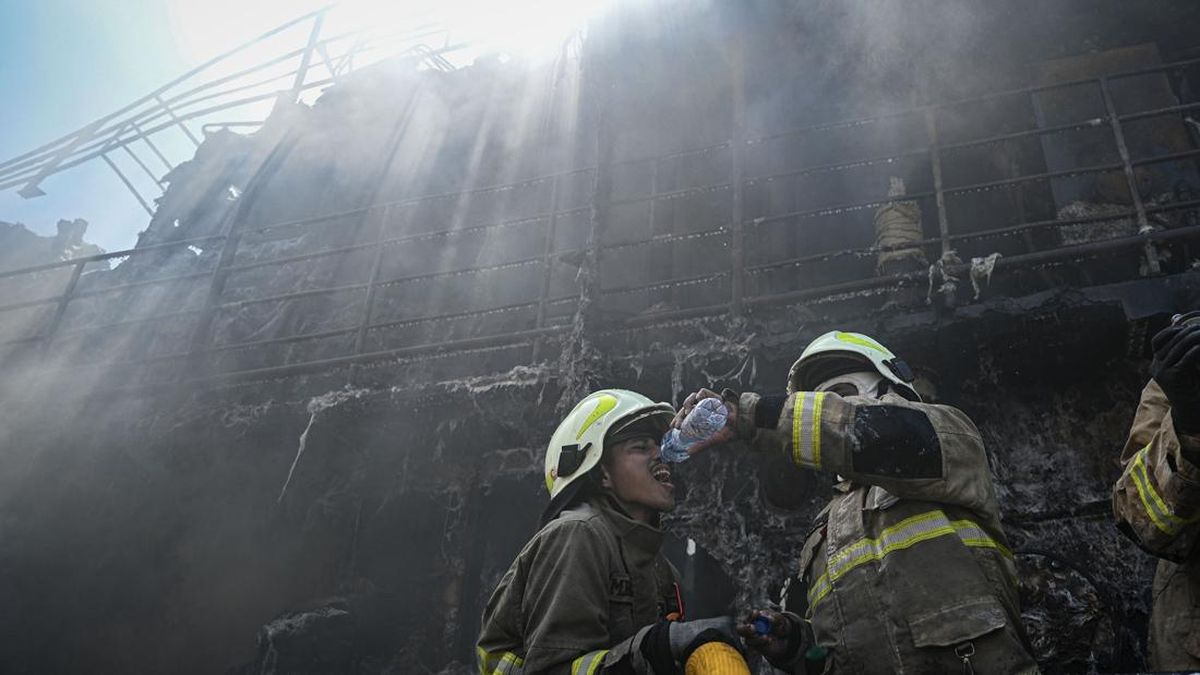
The North Jakarta and Thousand Islands Fire and Rescue Agency (Gulkarmat), while still awaiting the full police investigation, has offered a preliminary assessment of the fire’s origin. Gatot Sulaeman, the Head of Operations for Gulkarmat, stated that "information from witnesses suggests the fire was triggered by an electrical short circuit during ship repair." This preliminary finding aligns with common causes of fires in maritime settings, particularly during maintenance periods when electrical systems are often modified, repaired, or tested, sometimes in environments with flammable vapors or materials.
Muara Angke: A Vital Hub and its Safety Challenges
Muara Angke Pier is not just a docking facility; it is a bustling economic nerve center for Jakarta’s fishing industry. Located in North Jakarta, it serves as a primary landing site for thousands of tons of fish caught in the Java Sea and beyond, supplying fresh seafood to markets across the capital region. The port is home to a diverse fleet of vessels, ranging from small traditional fishing boats to larger trawlers and transport ships. Beyond fishing, Muara Angke is also a significant hub for ship maintenance and repair, with numerous informal and semi-formal workshops operating along its shores. This constant activity, while economically vital, also presents inherent safety challenges.
The "docking" process, or ship repair, is a complex operation fraught with risks. It often involves hot work (welding, cutting), electrical repairs, painting, and fuel transfer, all of which require stringent safety protocols. An electrical short circuit, as suspected in this incident, can occur due to faulty wiring, overloaded circuits, inadequate insulation, or improper handling of electrical equipment. In a marine environment, especially on older vessels or those undergoing extensive repairs, the combination of electrical hazards with flammable materials like fuel, paint, and lubricants creates a highly volatile situation.
Indonesia, as an archipelago nation with extensive maritime activities, faces a recurring challenge with port and ship fires. Data from the Ministry of Transportation’s Directorate General of Sea Transportation (Ditjen Hubla) and maritime safety organizations often highlights electrical faults and human error during maintenance as leading causes of such incidents. Many smaller repair operations may lack the sophisticated safety equipment, trained personnel, and strict adherence to international maritime safety standards (e.g., SOLAS – Safety of Life at Sea) that larger, more regulated shipyards possess. This disparity can lead to increased risks, particularly in informal settings like parts of Muara Angke.
Broader Implications: Economic, Environmental, and Regulatory Scrutiny
The loss of three vessels at Muara Angke Pier carries significant economic repercussions. For the ship owners, it represents a complete loss of valuable assets, impacting their livelihoods and potentially those of their crew members. Each fishing vessel supports a network of individuals, from the fishermen themselves to those involved in processing, transporting, and selling the catch. The cost of replacing these vessels, which can range from hundreds of millions to billions of Rupiah depending on their size and type, is substantial and often not fully covered by insurance, especially for smaller operators. The incident also disrupts the local fish supply chain, potentially leading to temporary shortages or price fluctuations in Jakarta’s markets.
Beyond the immediate economic losses, there are environmental concerns. The burning of ships, especially those containing fuel, lubricants, and other chemicals, can lead to significant marine pollution. Oil spills, hazardous ash, and submerged debris can contaminate the water, harm marine life, and impact the ecological balance of Jakarta Bay. The Jakarta Environmental Agency (DLH DKI Jakarta) would likely monitor the situation closely, assessing the extent of pollution and coordinating cleanup efforts to mitigate long-term damage. This often involves deploying oil booms, specialized cleanup vessels, and waste disposal teams.
From a regulatory standpoint, this incident will likely intensify scrutiny on safety protocols at Muara Angke and other Indonesian ports. The Port Authority (Kantor Kesyahbandaran dan Otoritas Pelabuhan – KSOP) for Sunda Kelapa Port, which oversees maritime traffic and safety, will undoubtedly review existing regulations regarding ship maintenance and repair. There may be calls for stricter enforcement of safety standards, more frequent inspections of vessels undergoing repairs, and potentially, improved training for dockworkers and ship crews on fire prevention and emergency response.
Maritime safety experts have long advocated for comprehensive safety management systems in all port operations, including clear procedures for hot work, electrical safety, and emergency drills. The fact that the fire spread so rapidly and required extensive firefighting efforts underscores the need for effective fire suppression systems on board vessels and readily available, trained personnel at the pier itself. This incident serves as a stark reminder of the continuous need for vigilance and adherence to safety regulations to prevent similar tragedies in the future.
The ongoing police investigation will be critical in determining not only the immediate cause but also any underlying systemic failures. If criminal negligence is found, responsible parties could face legal consequences, sending a strong message about accountability in maritime operations. The findings from Muara Angke will contribute to the broader discourse on improving maritime safety across Indonesia’s extensive network of ports, ensuring that economic activity does not come at the expense of human lives, valuable assets, and the marine environment. As the smoldering remains cool, the lessons learned from this devastating fire will hopefully pave the way for a safer future at Muara Angke and beyond.
