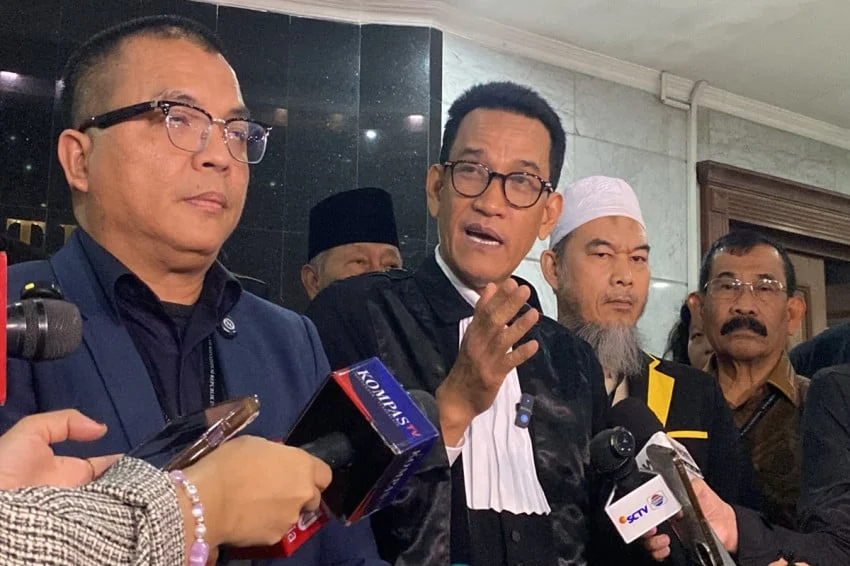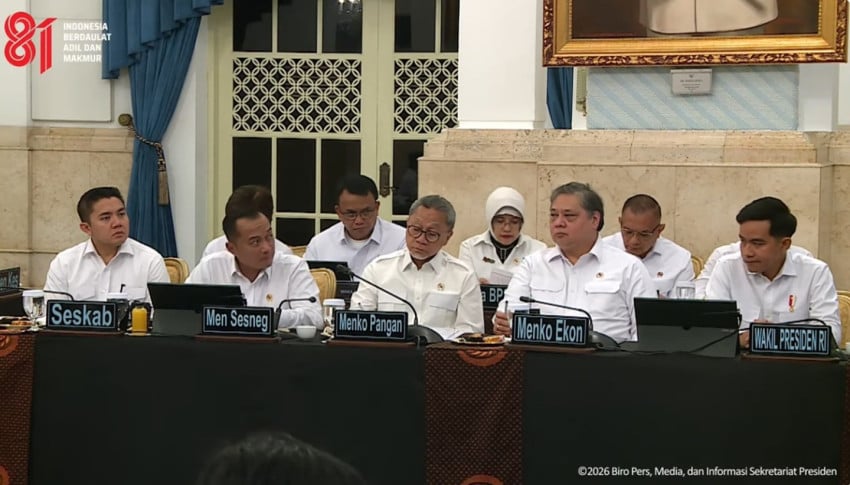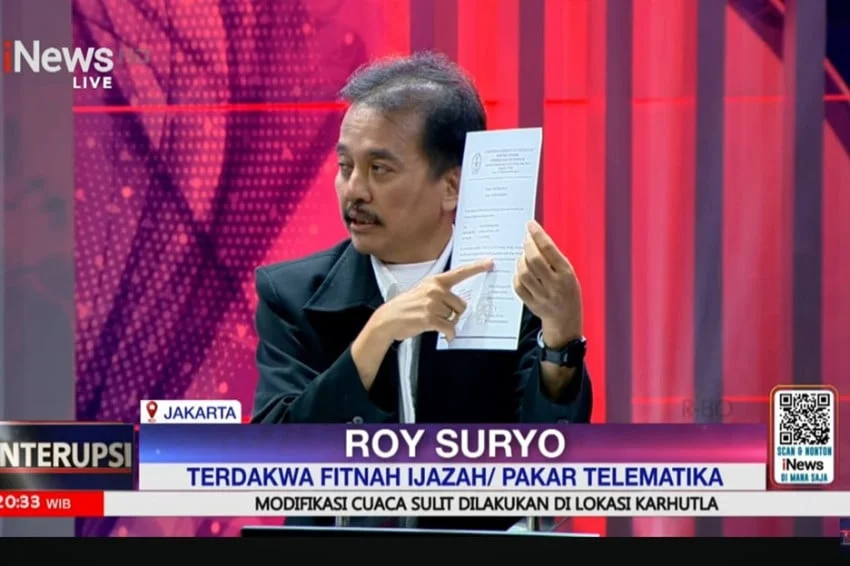
The ongoing public discourse surrounding the educational background of Indonesian Vice President Gibran Rakabuming Raka has taken a new turn following recent statements made by former Minister of Youth and Sports, Roy Suryo. During a televised interview on a prominent national program, Suryo asserted that he personally traveled to Australia to investigate the verification claims regarding Gibran’s purported studies at UTS Insearch, an institution that provides pathway programs to the University of Technology Sydney. According to Suryo’s claims, an independent on-the-ground inquiry yielded no corroboration from former students who attended the institution during the mid-2000s, casting a spotlight back onto recurring public debates regarding the validation of political figures’ academic credentials in contemporary Indonesian politics.
The controversy touches upon sensitive nerves within the national political landscape, where the academic histories of high-ranking government officials frequently undergo intense public scrutiny. As transparency and accountability become increasingly central to public discourse, opposition figures and independent analysts occasionally undertake parallel investigations to challenge or verify official narratives. The specific focus on Gibran Rakabuming Raka’s time abroad has periodically surfaced on social media and in political talk shows, prompting varied responses from government defenders, family representatives, and legal analysts seeking to defend the legitimacy of the vice president’s credentials.
Chronology of the Inquiry and Investigation Claims
According to statements delivered by Roy Suryo during the broadcast of the Interupsi program on iNews TV, his investigative journey to Australia was driven by a desire to ascertain the factual basis of Gibran’s educational timeline. Publicly available biographical details regarding the Vice President typically cite a study period at UTS Insearch spanning between the years 2004 and 2007. Seeking to verify this academic milestone, Suryo stated that he visited the campus and engaged with individuals who were enrolled at the institution during that exact three-year window.
Suryo elaborated that his informal interviews with alumni and former attendees from the 2004–2007 cohort did not produce any recollections of Gibran as a fellow student. In his recounting, none of the individuals he spoke with during his campus visit recognized the name or recalled interacting with the current Vice President during their respective academic terms. This lack of institutional memory among contemporaries formed the core of Suryo’s skepticism regarding the documented pathway program.
However, the inquiry did yield a singular point of intersection regarding Gibran’s presence in Australia during a different context. Suryo noted that during his investigations, he encountered a reference to an Indonesian expatriate residing in Australia named Ikhsan Katonde. According to Suryo’s findings, Katonde had indeed interacted with and accompanied Gibran during a trip to the country. Crucially, Suryo clarified that this particular encounter was not linked to academic enrollment at UTS Insearch. Instead, he claimed the engagement occurred in connection with an official or personal visit undertaken by Gibran alongside his father, Joko Widodo (Jokowi), who at various points of his political career maintained high-profile visibility during international delegations.
Contextualizing Educational Pathway Programs and Verification Challenges
To understand the complexity of verifying international educational histories, it is essential to examine the nature of pathway institutions such as UTS Insearch. These colleges typically serve as a bridge for international students, offering English language training and academic diploma programs designed to transition students into undergraduate degrees at major universities. Because these programs often feature high turnover rates, diverse international student bodies, and flexible enrollment intakes, tracing individual attendance from over a decade prior can present significant logistical hurdles for independent investigators.
In Indonesia, the verification of public officials’ academic backgrounds is governed by administrative standards, yet it frequently intersects with political friction. Public skepticism regarding educational degrees has become a recurring motif in national elections and political disputes. Critics often demand absolute transparency regarding diploma authenticity, grade transcripts, and attendance records, while defenders argue that such inquiries are politically motivated attempts to undermine the legitimacy of democratically elected leaders.
The legal and administrative framework surrounding Gibran Rakabuming Raka’s candidacy and subsequent election as Vice President has previously faced various judicial and administrative challenges. These challenges have often compelled legal representatives, educational institutions, and family members to release clarifying statements or documentation to reaffirm the validity of his academic qualifications.
Official Responses and Countervailing Evidence
In response to past and ongoing insinuations regarding his educational background, official channels and family representatives have consistently maintained transparency. Earlier public disclosures from former President Joko Widodo addressed the narrative surrounding his son’s education, detailing how Gibran pursued foundational studies through structured pathway programs before continuing his education elsewhere. Educational institutions abroad are bound by strict privacy laws regarding student records, which often prevents journalists or independent investigators from obtaining direct confirmation or denial of enrollment status without the explicit written consent of the individual concerned. This legal barrier frequently leaves a vacuum filled by anecdotal claims, secondhand accounts, and politically charged interpretations.
Legal experts and political communication scholars note that public disputes over educational credentials carry distinct implications for political stability and institutional trust. When prominent critics like Roy Suryo utilize media platforms to air the results of independent, informal fact-finding missions, it shapes public perception, regardless of whether the findings hold formal legal weight. Conversely, government defenders emphasize that official administrative validation by relevant educational boards and election oversight bodies remains the definitive standard for assessing a candidate’s eligibility.
Broader Implications for Political Discourse and Public Accountability
The ongoing discourse regarding Vice President Gibran Rakabuming Raka’s educational journey underscores the delicate balance between public accountability and politically motivated scrutiny in Indonesia. As social media continues to amplify unverified claims alongside formal investigative reports, the broader political landscape faces challenges in maintaining a fact-based consensus.
For the administration, managing these narratives requires a steady reliance on official documentation and institutional transparency to counter allegations effectively. For critics, pursuing such investigations serves as a mechanism of continuous oversight, albeit one that frequently operates outside formal regulatory channels. As Indonesia moves forward within its current political term, the demand for verifiable transparency across all levels of government remains a cornerstone of civic expectation, ensuring that questions of public integrity continue to be met with rigorous, evidence-based discourse.