
The final week of September 2026 brought a surge of intense sports interest across Indonesia, with national team preparations for the upcoming FIFA ASEAN Cup 2026 firmly capturing the public imagination. Throughout Monday, September 21, 2026, sports enthusiasts across the archipelago flooded digital portals to catch the latest updates regarding the national squad. According to engagement metrics on the prominent sports channel VIVA Bola, articles detailing the tactical strategies of head coach John Herdman, potential starting elevens, profiles of new diaspora additions, and dramatic domestic league fixtures became the most widely read and discussed topics of the day.
As Indonesian football enters a critical phase of international competition and domestic league maturation, the intersection of national team ambitions and club-level controversies has created a vibrant media landscape. This comprehensive review examines the key storylines that dominated the sports headlines, offering a detailed look at the preparations for the regional tournament alongside the ongoing drama in the Super League 2026/2027 season.
Strategic Preparations and Squad Composition Under John Herdman
At the heart of the public discourse is the meticulous preparation of the senior men’s national team under the guidance of tactician John Herdman. Tasked with steering the Garuda squad through the upcoming FIFA ASEAN Cup 2026, Herdman has curated a balanced 24-player roster designed to navigate a challenging group stage. Indonesia has been drawn into Group A, where they will face formidable regional opponents including Singapore, Malaysia, and Bangladesh.
The tournament kicks off for Indonesia on September 25, 2026, with a high-stakes encounter against neighboring rivals Singapore. However, the lead-up to this opening fixture has not been without its challenges. Herdman’s squad selection reflects a transitional yet ambitious phase for Indonesian football, featuring a blend of established domestic stars and high-profile diaspora talents. Notably, the team must contend with the absence of several key figures, most notably team captain and defensive stalwart Jay Idzes, who is currently sidelined due to an injury sustained during club duties.
Despite these setbacks, anticipation remains high regarding how Herdman will deploy his resources. Tactical analysts and supporters alike have engaged in intense speculation concerning the predicted starting eleven, heavily weighing current club performances against international requirements. The inclusion of versatile players across all departments gives the coaching staff tactical flexibility, allowing them to adapt dynamically to the contrasting playing styles of Singapore, Malaysia, and Bangladesh.
New Faces and Diaspora Additions: The Integration of Luke Vickery and Dion Markx
A significant narrative driving readership on VIVA Bola involves the integration of newly minted Indonesian citizens into the national team setup. For the FIFA ASEAN Cup 2026 campaign, head coach John Herdman has included Luke Vickery and Dion Markx in his selection, paving the way for potential international debuts that have generated considerable excitement among fans.
Dion Markx officially acquired Indonesian citizenship through the naturalization process in February 2025, gradually building his reputation and adapting to the cultural and structural demands of Southeast Asian football. Meanwhile, Luke Vickery completed his legal transition to become a Warga Negara Indonesia (WNI) more recently, in July 2026. Both players carry deep-rooted Indonesian heritage, a factor that continues to resonate strongly with the local fan base, which values cultural connection alongside athletic prowess.
Their inclusion in the 24-man traveling roster for the FIFA ASEAN Cup represents more than just squad depth; it highlights the ongoing evolution of talent acquisition within the PSSI framework. As Vickery and Markx prepare for the possibility of stepping onto the pitch in national colors, sports commentators have closely monitored their integration during training camps. Their ability to adapt quickly to Herdman’s tactical philosophy could prove pivotal, especially given the physical and demanding nature of regional tournaments where squad rotation is essential for sustained success.
Surprise Call-Ups and Squad Depth: The Shayne Pattynama Factor
Beyond the debutants, the squad dynamics have been further energized by strategic roster adjustments, including the sudden and much-discussed recall of defender Shayne Pattynama. The experienced left-back’s inclusion adds a layer of defensive stability and international know-how that will be vital during high-pressure matches against traditional rivals like Malaysia and disciplined units like Bangladesh.
Pattynama’s recall underscores Herdman’s pragmatic approach to squad building. With the physical demands of playing multiple matches in a compressed tournament schedule, having experienced campaigners who understand the nuances of regional competition is invaluable. Analysts have noted that Pattynama’s presence on the left flank will provide tactical balance, allowing the team to transition smoothly between defensive solidity and aggressive attacking overlaps.
The Domestic Front: Super League Drama Overshadows International Prep
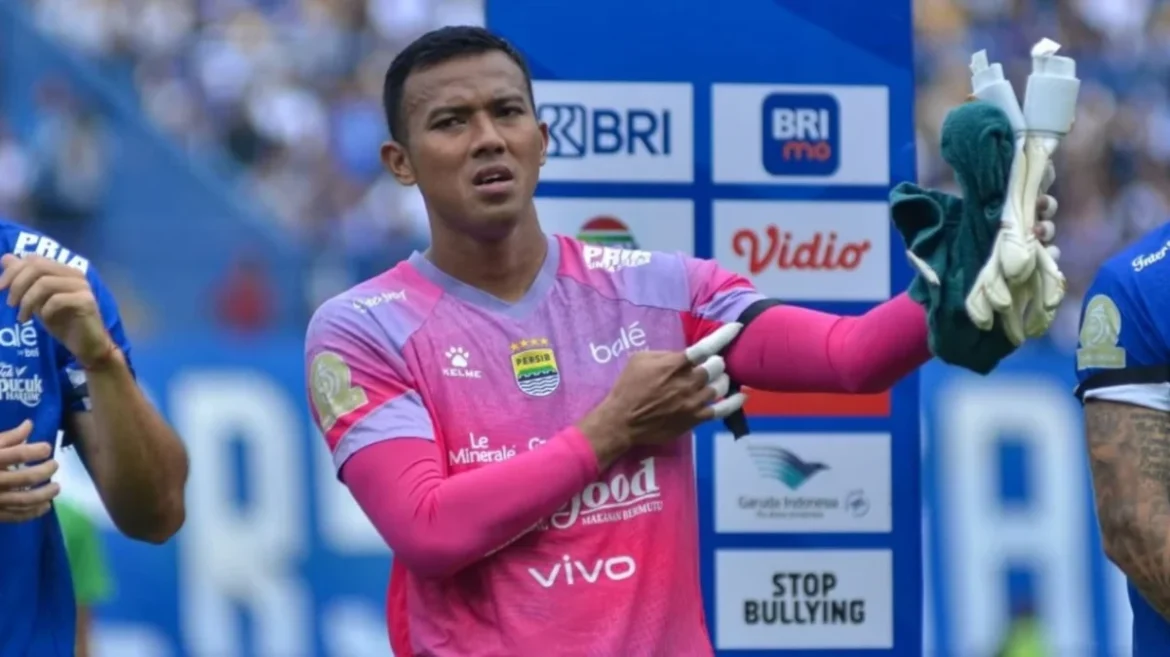
While national team preparations dominated the headlines, the domestic competition provided its own share of high drama. The Super League 2026/2027 season delivered compelling storylines over the weekend, spearheaded by Persib Bandung’s dramatic 2-1 victory away against Persijap Jepara.
The hard-fought win on the road should have been a straightforward celebration for the Bandung-based club, but it instead sparked intense debate and public scrutiny. Following the final whistle, the club found itself at the center of discussions regarding both team performance and stadium infrastructure. Vocal supporters, collectively known as the Bobotoh, expressed rigorous feedback and criticism regarding specific player performances, demonstrating the uncompromising expectations of one of Indonesia’s most passionate fan bases.
Compounding the post-match discourse were direct complaints from prominent midfielder Marc Klok regarding the state of the stadium facilities at Persijap Jepara. Klok’s candid remarks highlighted ongoing infrastructural challenges within the domestic league, shedding light on the disparity between top-tier ambitions and the reality of certain matchday venues. These facility concerns have reignited broader conversations among club executives, league organizers, and supporters regarding the necessity of continuous stadium upgrades to ensure player safety and elevate the overall broadcast and attendance experience of the Super League.
Implications and Broader Outlook for Indonesian Football
The convergence of international preparations and domestic league controversies during the third week of September 2026 paints a vivid picture of a footballing nation in constant motion. The high level of public engagement—evidenced by the dominance of these topics on digital platforms like VIVA Bola—demonstrates that the appetite for football content in Indonesia remains insatiable.
As the team departs for the FIFA ASEAN Cup 2026, the implications of John Herdman’s tactical decisions will be judged under the unforgiving lens of regional competition. A successful campaign in Group A against Singapore, Malaysia, and Bangladesh will validate the strategic integration of diaspora players like Luke Vickery and Dion Markx, while reinforcing the wisdom of recall decisions involving veterans such as Shayne Pattynama. Conversely, any shortcomings will undoubtedly invite rigorous evaluation from a passionate public accustomed to demanding continuous progress from the national team.
Simultaneously, the turbulence in the Super League 2026/2027 serves as a timely reminder that the domestic ecosystem requires parallel development. Addressing infrastructure complaints, such as those raised by Marc Klok, and managing the high expectations of fan bases like the Bobotoh are essential steps toward building a sustainable, professional league that can reliably feed top-tier talent into the national program.
Ultimately, the events of September 21, 2026, encapsulate the dual passions of Indonesian sports culture: the unifying dream of international glory under the Red and White banner, and the deeply localized, fiercely loyal daily drama of domestic club competition. As the days tick down to the opening whistle against Singapore, all eyes remain fixed on how these diverse threads will weave together to shape the immediate future of Indonesian football.
