
The long-standing debate regarding the proper disposal of menstrual products has resurfaced on social media, highlighting a significant divide between cultural practices and medical recommendations. While many individuals in various regions, particularly across Indonesia, adhere to the tradition of washing disposable sanitary pads before discarding them, health experts and international organizations are providing a different perspective based on hygiene and environmental science. The central question—whether a used disposable pad should be meticulously cleaned or simply wrapped and binned—is no longer just a matter of personal habit but a topic of public health and environmental significance.
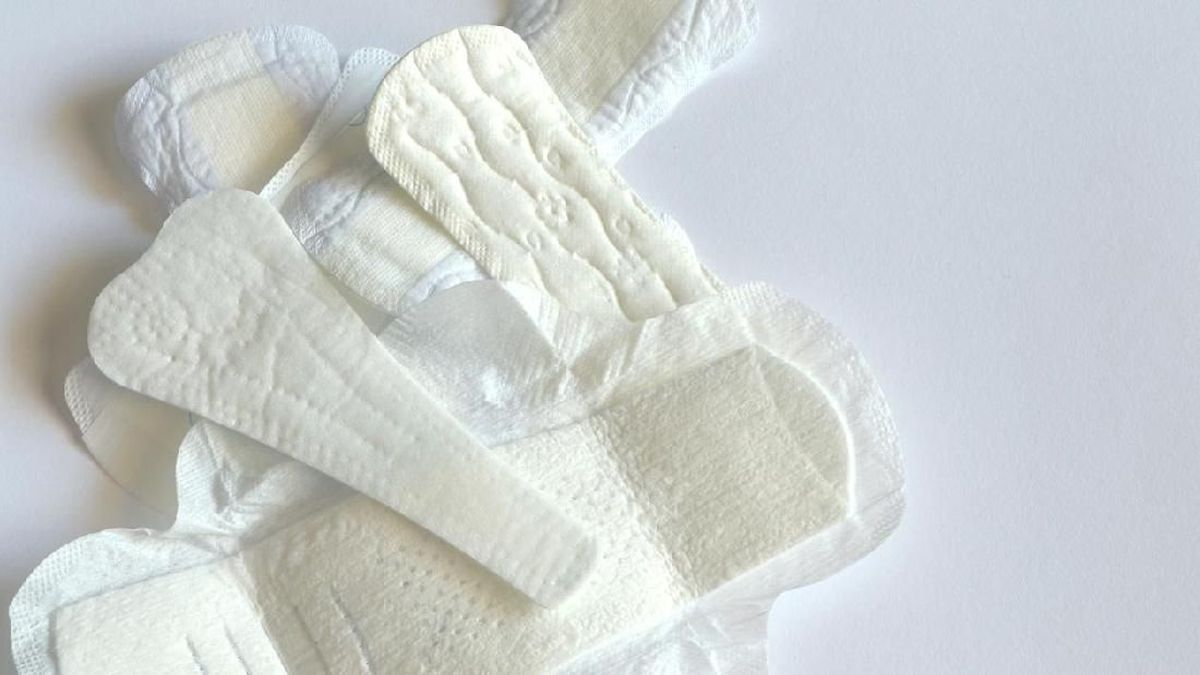
According to the World Health Organization (WHO) guidelines on menstrual health and hygiene, disposable sanitary pads are designed for single use and do not require washing before disposal. The primary objective of menstrual waste management is to ensure that the blood is contained and that the product is disposed of in a manner that prevents environmental contamination and the spread of pathogens. For disposable products, the WHO suggests that the most effective method is to wrap the used pad securely and place it in a designated waste bin. This stands in stark contrast to the procedures required for reusable menstrual products, such as cloth pads or menstrual cups, which must be thoroughly sanitized to ensure safety for subsequent uses.
The Cultural Context of Menstrual Hygiene in Indonesia
In Indonesia, the practice of washing disposable pads is deeply rooted in cultural norms and social expectations. A study titled "A Study on Menstrual Hygiene Management in West Java, Indonesia," reveals that a vast majority of women in the region continue to wash their disposable pads until the blood is entirely removed before throwing them away. This behavior is often passed down through generations, from mothers to daughters, and is frequently tied to the concept of "modesty" or "cleanliness."
Beyond simple hygiene, there are often metaphysical or traditional beliefs associated with menstrual blood. In some local cultures, it is believed that "unclean" waste can attract negative spirits or that leaving blood visible is a sign of poor character. Furthermore, many women express a sense of shame or "sungkan" at the thought of a sanitation worker or a family member seeing a blood-stained pad in the trash. Consequently, the act of washing becomes a social ritual to hide the biological reality of menstruation, even when the product being used is a modern, synthetic, disposable item not intended for water immersion.
The Environmental and Resource Impact
The habit of washing disposable pads carries a significant environmental footprint that is often overlooked. The West Java study highlights that respondents use an average of 3 to 5 liters of clean water to wash a single sanitary pad. When extrapolated across a monthly cycle, where an individual might use 15 to 25 pads, the water consumption for this practice alone can reach 75 to 125 liters per person per month. On a national scale, in a country with tens of millions of menstruating individuals, this translates into billions of liters of treated water being used for a process that health experts deem unnecessary.
Moreover, disposable pads are primarily composed of plastics, synthetic fibers, and super-absorbent polymers (SAP). These materials are designed to lock in moisture. When these pads are subjected to vigorous washing, the structural integrity of the pad can break down, potentially releasing microplastics and absorbent gels into the local sewage system. If these pads are then flushed—a common but incorrect disposal method—they lead to massive blockages in urban plumbing and contribute to the "fatberg" phenomenon in city sewers.
Scientific Analysis of Hygiene and Pathogens
From a medical standpoint, there is no evidence to suggest that washing a disposable pad before disposal offers any health benefits to the user. In fact, the process of washing a blood-soaked pad by hand can increase the user’s exposure to bloodborne pathogens if there are any cuts or abrasions on the hands. While the risk of transmitting diseases like Hepatitis B or HIV through menstrual waste in a domestic setting is low, the manual handling of blood-saturated materials remains a biohazard concern.
Health professionals emphasize that the most hygienic approach is to minimize contact with the used surface. By rolling the pad and wrapping it in its original wrapper or recycled paper, the blood is contained within the absorbent core and the outer leak-proof layer. This containment is sufficient to prevent odors and the attraction of insects, provided the waste is collected regularly by sanitation services.
Global Standards for Menstrual Waste Management
The global community, led by organizations like UNICEF and the WHO, has established clear protocols for Menstrual Hygiene Management (MHM). These protocols focus on three pillars: access to products, private spaces for changing, and safe disposal. The consensus on disposal is as follows:
- Disposable Pads: Should be wrapped in paper or plastic to hide the blood and contain odors, then placed in a covered dustbin. They should never be flushed down the toilet, as they do not biodegrade and cause mechanical failures in waste systems.
- Reusable Pads: Must be soaked in cold water, washed with soap, and dried in direct sunlight. Sunlight acts as a natural disinfectant, killing bacteria that might remain in the fabric.
- Menstrual Cups: Should be emptied into a toilet, rinsed with water during the cycle, and boiled in water for sterilization at the end of each monthly cycle.
The distinction between these categories is vital. The "washing" culture in Indonesia essentially treats disposable products as if they were reusable, which creates a hybrid practice that is neither efficient nor scientifically supported.
The Role of Education and Policy
The persistence of pad-washing highlights a gap in formal health education. Experts argue that school curriculums and public health campaigns need to address the "how-to" of disposal more explicitly. Often, menstrual education focuses on the biological process of the period but ignores the logistical and environmental realities of waste management.
Environmentalists are also weighing in, suggesting that the focus should shift from "cleaning" disposable waste to adopting truly sustainable alternatives. If the goal of a consumer is to be "clean" and "responsible," transitioning to menstrual cups or high-quality reusable cloth pads is a more effective path. These products are designed to be washed, do not contribute to landfill mass, and do not waste the same volume of water relative to their lifespan.
Broader Implications for Sanitation Workers
The discussion also touches on the dignity and safety of sanitation workers. Those who advocate for washing pads often claim they are doing it out of respect for trash collectors. However, sanitation experts suggest that the best way to respect waste workers is to ensure waste is "contained and dry." A washed pad is often discarded while still wet, which can lead to leaks in trash bags and the growth of mold and bacteria in waste bins. A dry, wrapped, and sealed disposable pad is much safer and easier for waste management professionals to handle than a soggy, partially disintegrated one.
Timeline of Evolving Menstrual Practices
The shift in menstrual practices can be traced through several decades:
- Pre-1970s: Dominance of reusable rags and cloths; washing was mandatory and universal.
- 1980s – 1990s: Mass market introduction of disposable pads in developing nations. The "washing" habit from the cloth era was transferred to the new plastic products.
- 2000s – 2010s: Increased awareness of "Fatbergs" and plumbing issues leads to "Don’t Flush" campaigns.
- 2020 – Present: Social media platforms become the primary battleground for debating traditional habits versus modern scientific recommendations. The rise of "Period Poverty" awareness and environmental sustainability (Zero Waste) starts to influence consumer choices.
Conclusion and Future Outlook
The debate over washing disposable pads serves as a fascinating intersection of culture, science, and environmentalism. While the tradition of washing is born out of a desire for cleanliness and social decorum, the scientific consensus is clear: it is an unnecessary step that consumes precious water resources and offers no tangible health benefits.
As Indonesia and other nations continue to modernize their waste management systems, the transition toward "wrap and bin" for disposables—or "wash and dry" for reusables—will require sensitive but firm educational outreach. Breaking the taboo surrounding menstrual blood is the first step toward more rational and sustainable hygiene practices. By understanding that menstrual blood is a natural biological waste, rather than a source of shame or spiritual "impurity," society can move toward disposal methods that protect both the individual and the planet.
Ultimately, the most "hygienic" choice is one that balances personal health with the health of the community’s water systems and the environment. For users of disposable pads, the message from health authorities is simple: wrap it, bin it, and save the water for better use.
