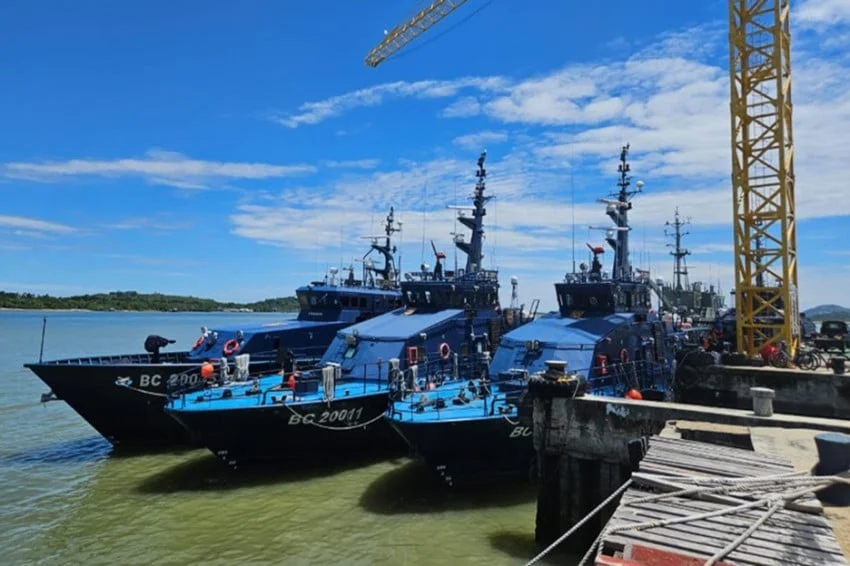
In the vast expanse of the Indonesian archipelago, where over 17,000 islands are connected by treacherous seas, connectivity is no longer merely a luxury for communication—it has become the central nervous system of maritime operations. As shipping lanes become busier and the demand for real-time logistics increases, the reliance on stable, high-speed data transmission has reached a critical juncture. Addressing this digital divide, Telkomsat has introduced VSAT STAR, a satellite-based connectivity solution designed to bridge the gap between remote oceanic operations and terrestrial control centers.
The Evolution of Maritime Communication: From Radio to Satellite
The history of maritime communication has transitioned from rudimentary signal flags and Morse code to shortwave radio, and eventually to satellite technology. For decades, the primary challenge for shipping companies operating in the Exclusive Economic Zone (EEZ) and international waters has been the "blackout zones"—areas where terrestrial cellular networks or line-of-sight microwave links simply cannot reach.
Historically, the maritime sector lagged behind land-based industries in terms of digital transformation. Ships were often isolated for weeks, with communication limited to emergency radio bursts or expensive, low-bandwidth satellite telephony. However, the modern maritime industry demands the "Internet of Things" (IoT) to function effectively. Today’s vessels are floating data centers, utilizing sensors for engine monitoring, GPS tracking for fuel optimization, and digital documentation systems for compliance with international maritime laws.
The launch of VSAT STAR by Telkomsat marks a pivotal shift in this trajectory. By leveraging high-throughput satellite (HTS) technology, Telkomsat is effectively bringing the office to the middle of the ocean, ensuring that a vessel in the middle of the Java Sea or the Indian Ocean has the same network stability as a warehouse in Jakarta.
Technical Capabilities and Infrastructure
VSAT STAR operates on a sophisticated satellite architecture designed to deliver capacity of up to 200 Mbps per site. This bandwidth is a significant upgrade from legacy maritime systems, which often struggled to provide enough data throughput for basic email and navigation updates. With 200 Mbps, vessels can now facilitate:
- Real-time Fleet Management: Centralized control centers can monitor engine performance, fuel consumption, and navigational telemetry in real-time, allowing for proactive maintenance and reduced operational downtime.
- Integrated Digital Logistics: Automated manifests and digital customs clearance can be processed while the vessel is still in transit, significantly reducing turnaround times at ports.
- Enhanced Crew Welfare: High-speed internet access allows seafarers to maintain contact with their families through video conferencing, which has been identified by the International Maritime Organization (IMO) as a key factor in improving crew mental health and retention.
- Regulatory Compliance: Constant connectivity ensures that ships can transmit mandatory safety and environmental reports without delay, adhering to the increasingly stringent regulations imposed by the International Convention for the Prevention of Pollution from Ships (MARPOL).
Strategic Importance for the Indonesian Archipelago
Indonesia, as the world’s largest archipelagic state, possesses an expansive maritime territory that serves as a vital artery for global trade. The Indonesian maritime sector contributes significantly to the national GDP, yet it faces unique geographical hurdles.
In the past, the lack of consistent connectivity forced shipping companies to adopt decentralized decision-making models. Ship captains often had to make critical operational decisions without the benefit of real-time data from headquarters. With the deployment of VSAT STAR, the decision-making process becomes centralized and data-driven.
"Digitalization in the maritime sector requires a different approach compared to terrestrial operations," explains Andri Yunianto, Commercial Director of Telkomsat. "At sea, the environment is dynamic, unpredictable, and physically isolated. Our goal with VSAT STAR is to ensure that geography is no longer an obstacle to operational excellence."
Industry Context and Market Dynamics
The move by Telkomsat comes at a time when the global maritime satellite market is experiencing a compound annual growth rate (CAGR) of over 10%. This growth is driven by the increasing need for "connected ships." According to industry reports, the integration of digital solutions can improve fuel efficiency by up to 15% and reduce maintenance costs by 20% through predictive analytics.
Furthermore, the Indonesian government has been actively pushing for the "Sea Toll" (Tol Laut) program, which aims to reduce price disparities between western and eastern Indonesia by improving maritime logistics. A prerequisite for the success of the Sea Toll program is the digitization of shipping routes. Without robust connectivity, the visibility of goods in transit remains opaque. Telkomsat’s initiative aligns with the national strategic objective of integrating the archipelago through a digital backbone.
Analyzing the Impact: Beyond Connectivity
The implications of reliable satellite connectivity extend far beyond simple convenience. From an economic standpoint, the ability to transmit large volumes of data allows for "just-in-time" shipping. If a vessel encounters a mechanical fault, technicians at the home port can troubleshoot the issue remotely by accessing the ship’s onboard diagnostics via the satellite link, preventing costly diversions or emergency repairs at sea.
From a safety perspective, the impact is profound. Modern maritime safety systems rely on Constant Data Flow (CDF). Whether it is weather forecasting updates, collision avoidance systems that require real-time AIS (Automatic Identification System) data, or emergency medical support via telehealth, VSAT STAR provides the reliable "always-on" connection that acts as a safety net for vessels operating in volatile maritime conditions.
Implementation and Support Framework
Telkomsat’s approach to the maritime market is not limited to providing hardware. The company emphasizes a comprehensive service model, which includes:
- Site Survey and Customization: Recognizing that every vessel has different physical dimensions and operational needs, Telkomsat offers site-specific surveys to optimize the installation of satellite terminals (antennas).
- Continuous Technical Support: Maritime environments are harsh, with high salt content, extreme humidity, and constant vibrations. Telkomsat’s support service includes specialized technical maintenance to ensure that hardware longevity is maximized.
- Scalable Bandwidth: Recognizing that some vessels may require more data than others depending on their size and mission, the service is designed to be scalable, allowing companies to adjust their bandwidth capacity based on seasonal demands or specific project requirements.
Future Prospects for Maritime Digitalization
As the maritime industry continues to embrace automation, the role of satellite providers will evolve. Experts predict that the next five years will see the rise of autonomous or semi-autonomous vessels, which will require ultra-low latency and ultra-high reliability connectivity.
Telkomsat’s investment in VSAT STAR is a foundational step toward this future. By securing the connectivity layer, they are enabling shipping firms to experiment with more advanced technologies, such as Artificial Intelligence (AI) for route optimization and blockchain for secure, paperless bill-of-lading processing.
Conclusion
The transition toward a fully digitized maritime sector in Indonesia is well underway, and the availability of high-performance satellite connectivity is its primary catalyst. By providing a stable, high-bandwidth link that covers even the most remote corners of the Indonesian EEZ, Telkomsat is empowering the maritime industry to overcome the historical limitations of oceanic operations.
As ships continue to serve as the backbone of global and domestic trade, the ability to maintain a digital presence at sea is no longer a strategic advantage—it is an operational necessity. With solutions like VSAT STAR, the future of Indonesian shipping looks not only more efficient and safer but also significantly more connected, ensuring that the vast oceans between islands are no longer barriers, but bridges for economic growth and innovation. The synergy between robust satellite infrastructure and the evolving needs of the maritime sector will undoubtedly define the next era of logistics and seafaring in the region.